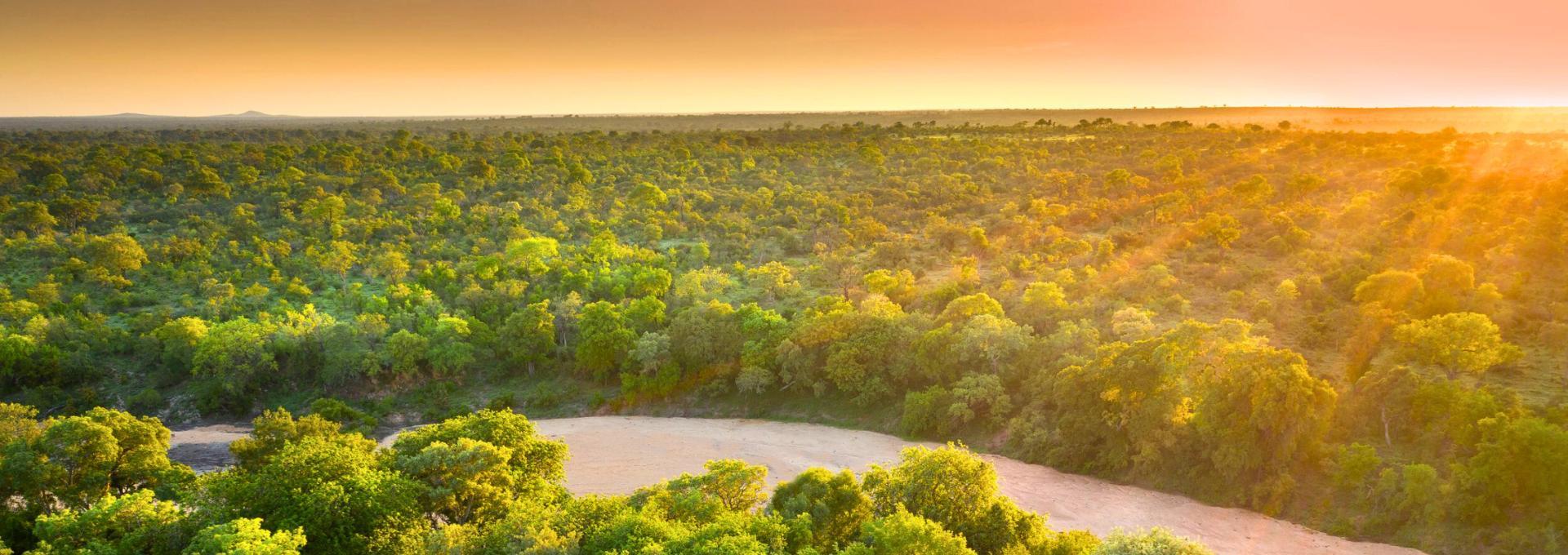
In 1926, the Kruger National Park was officially proclaimed, becoming South Africa’s first national park. A century later, it spans nearly 20,000 km², protects an extraordinary diversity of ecosystems and remains one of the most reliable wildlife destinations on the continent.
This year, as the Kruger marks 100 years, Mahlatini marks 24.
For nearly a quarter of a century, we’ve been sending travellers to the Greater Kruger, from the vast public National Park to the private reserves of Sabi Sands, Thornybush and MalaMala. Between our team alone, there have been childhood self-drives, camping trips in the far north, educational stays at leading lodges and countless return visits.
So, what is it about the Kruger that keeps drawing people back?
It’s Where First Safaris Happen
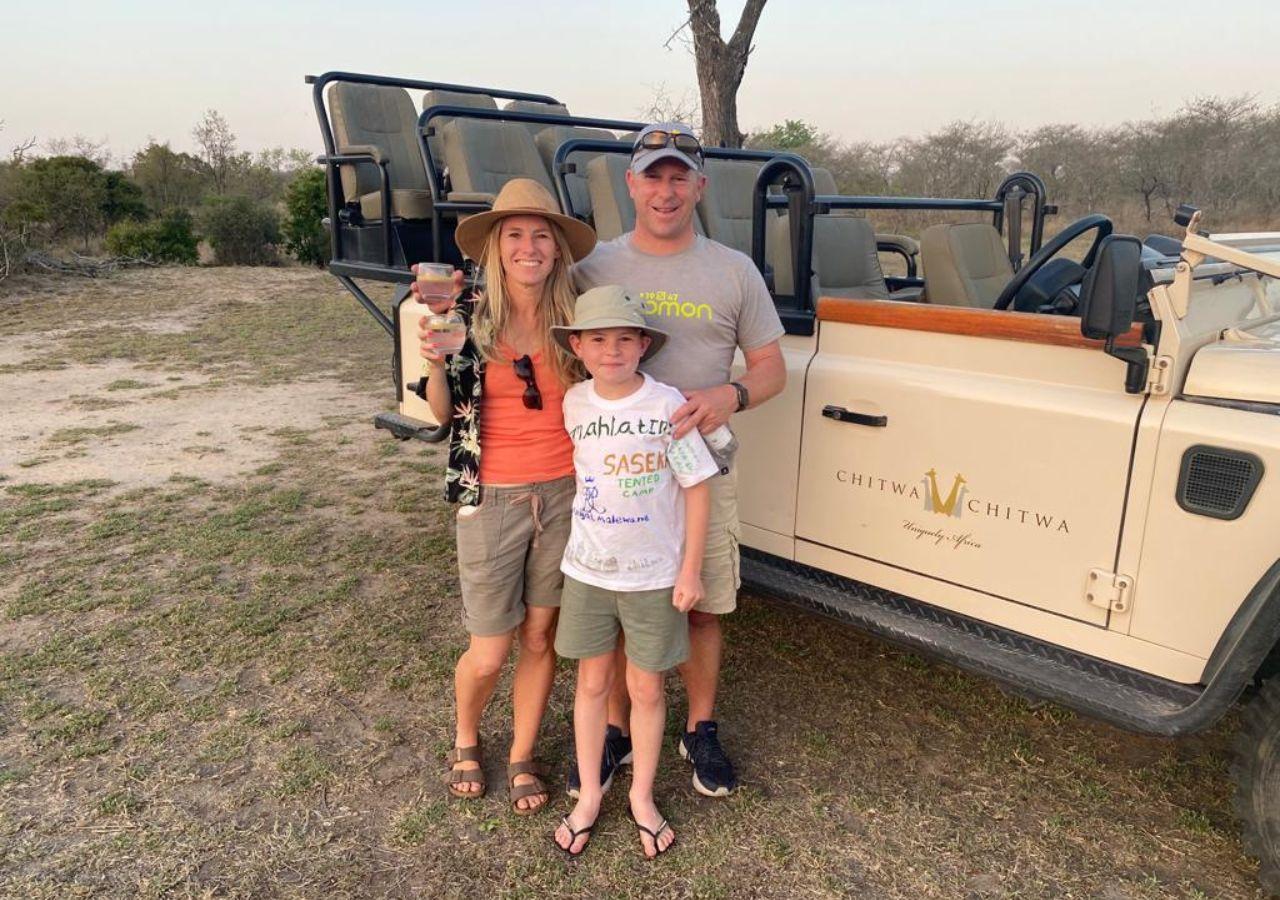
The Fox Family at Chitwa Chitwa
Part of the Kruger’s enduring appeal lies in its accessibility. With direct connections from Johannesburg and Cape Town, well-developed infrastructure and exceptional wildlife density, it’s often the first safari destination for both international and South African travellers. And first safaris stay with you...
Our Team Leader, Stuart Hall, took his wife on her first visit to the bush.
“She was almost in tears seeing elephants and giraffe for the first time in the wild. Then, 20 metres from the entrance to Chitwa Chitwa at the end of her first ever game drive, we saw a honey badger. It was my first time seeing one after multiple safaris in multiple countries and she knew how special the sighting was.”
Moments like that are why the Greater Kruger remains such a powerful introduction to safari. The wildlife density is exceptional, particularly in the private reserves.
The Wildlife Is Exceptionally Consistent
The Greater Kruger ecosystem, including the unfenced private reserves that share open borders with the National Park, is renowned for both biodiversity and density of wildlife. The absence of internal fencing allows animals to move freely, creating a vast, integrated conservation area. In practical terms, that means remarkable consistency in sightings.
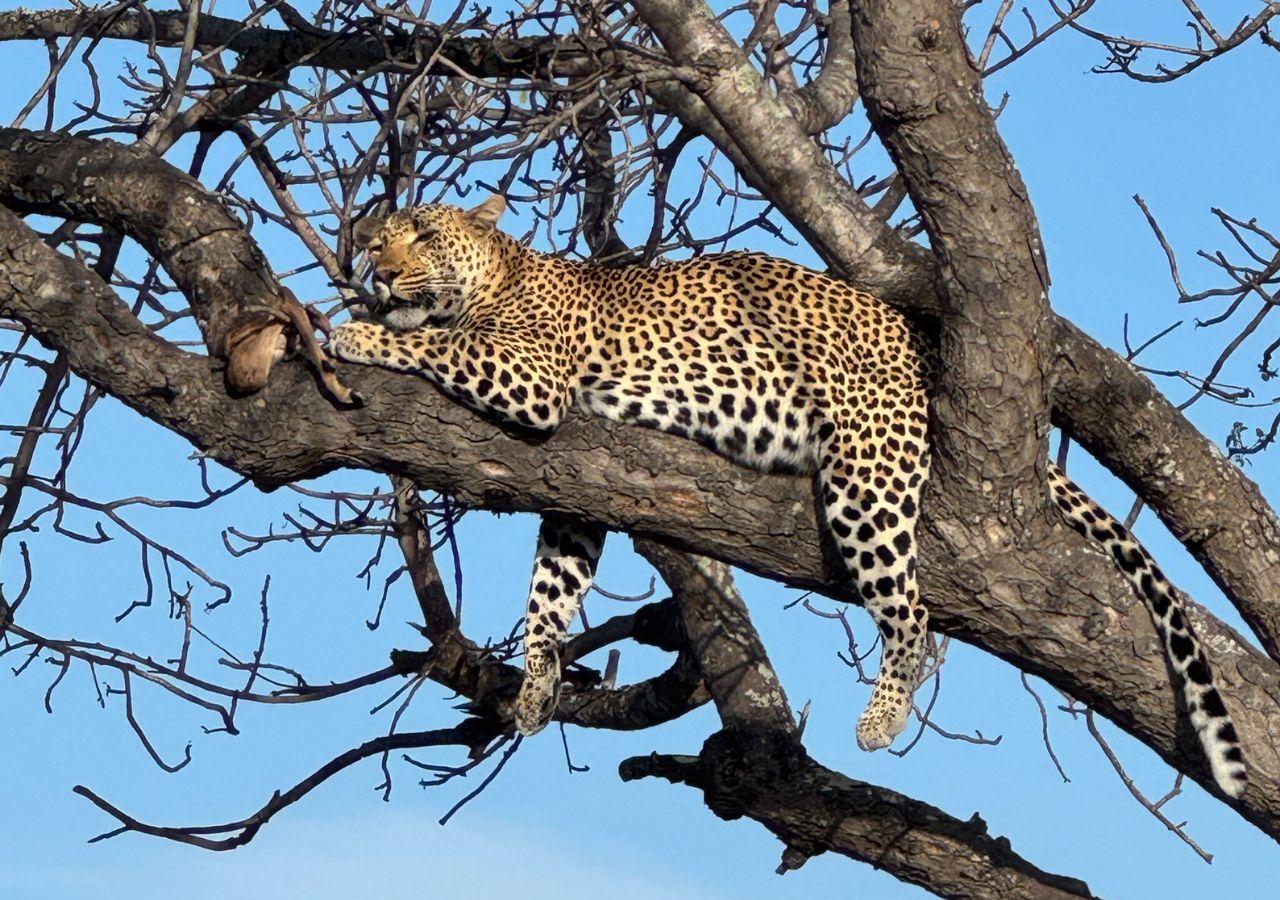
Leopard relaxing in a tree after a feed in the Greater Kruger
Leopards, in particular, have become synonymous with Sabi Sands and MalaMala. The area is widely regarded as one of the best places in Africa to see them.
“In the Sabi Sands, leopards are practically falling out of the trees,” says Marketing Manager, Caroline Hegney. “Nowhere else have I had leopard sightings like this, and never so close.”
Caroline on Safari in South Africa
This view was reinforced by Travel Expert, Michael Calvert, who recalls a young, bold male leopard walking within metres of his vehicle while hyenas sniffed in the background. “After we moved on, we could hear its mother calling for it. It was a really special experience.”
And it’s not only leopards. While they may dominate the conversation, they are only part of the picture. The sheer density of wildlife across the Greater Kruger means extraordinary days are not unusual. On one visit, Head of Product and Experience, Vanessa Dean (who has travelled to the park around ten times) saw rhino, leopard, lion, buffalo, elephant, wild dog and cheetah—the so-called “MalaMala 7”—in a single game drive!
“In all my visits, the Kruger has never disappointed,” she says. “Every trip adds another story and another reason to return.”
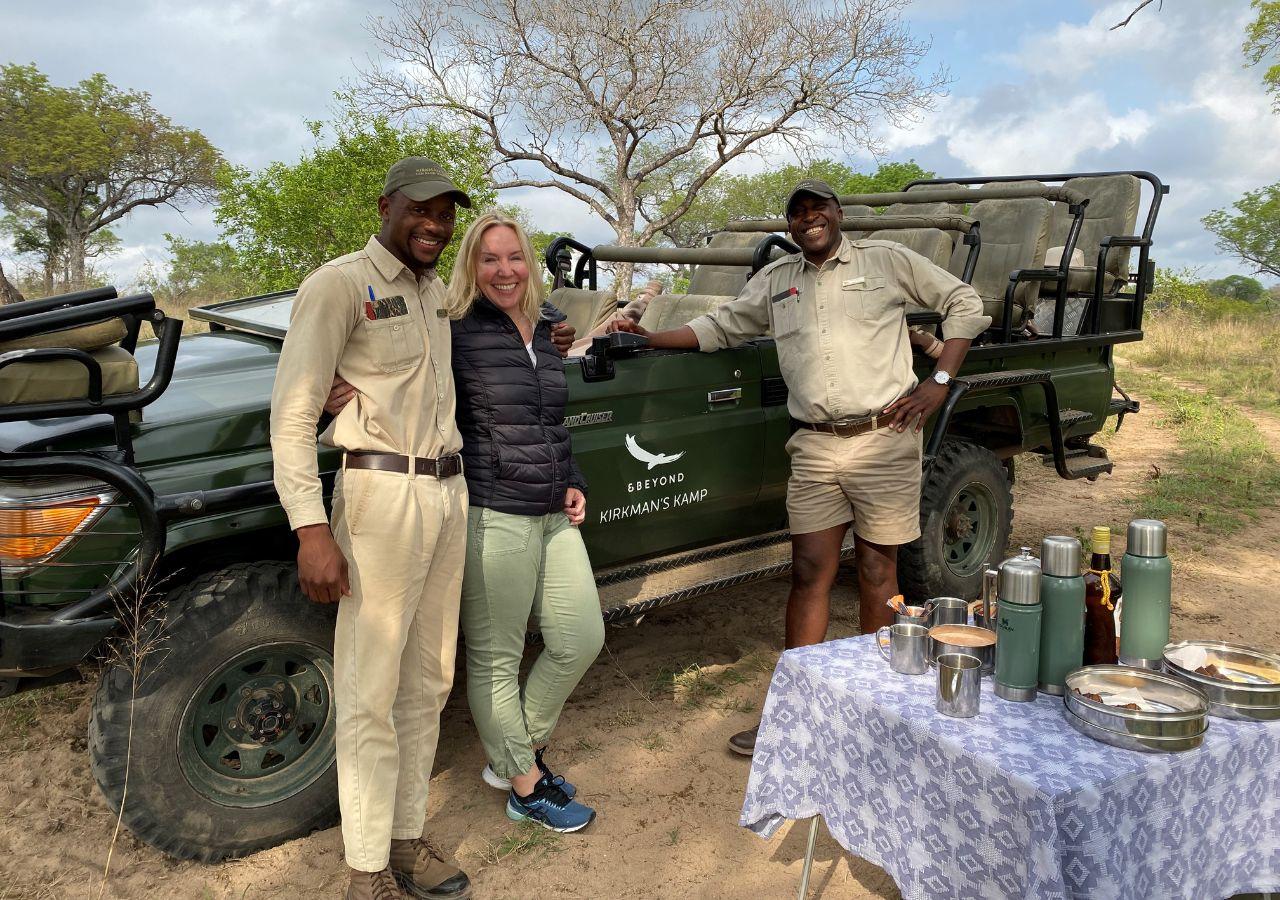
Vanessa at Kirkman's Kamp
That reliability in game-viewing is rare, and it is one of the many reasons why we keep coming back to the Kruger.
It Offers Experiences for Every Stage of Life
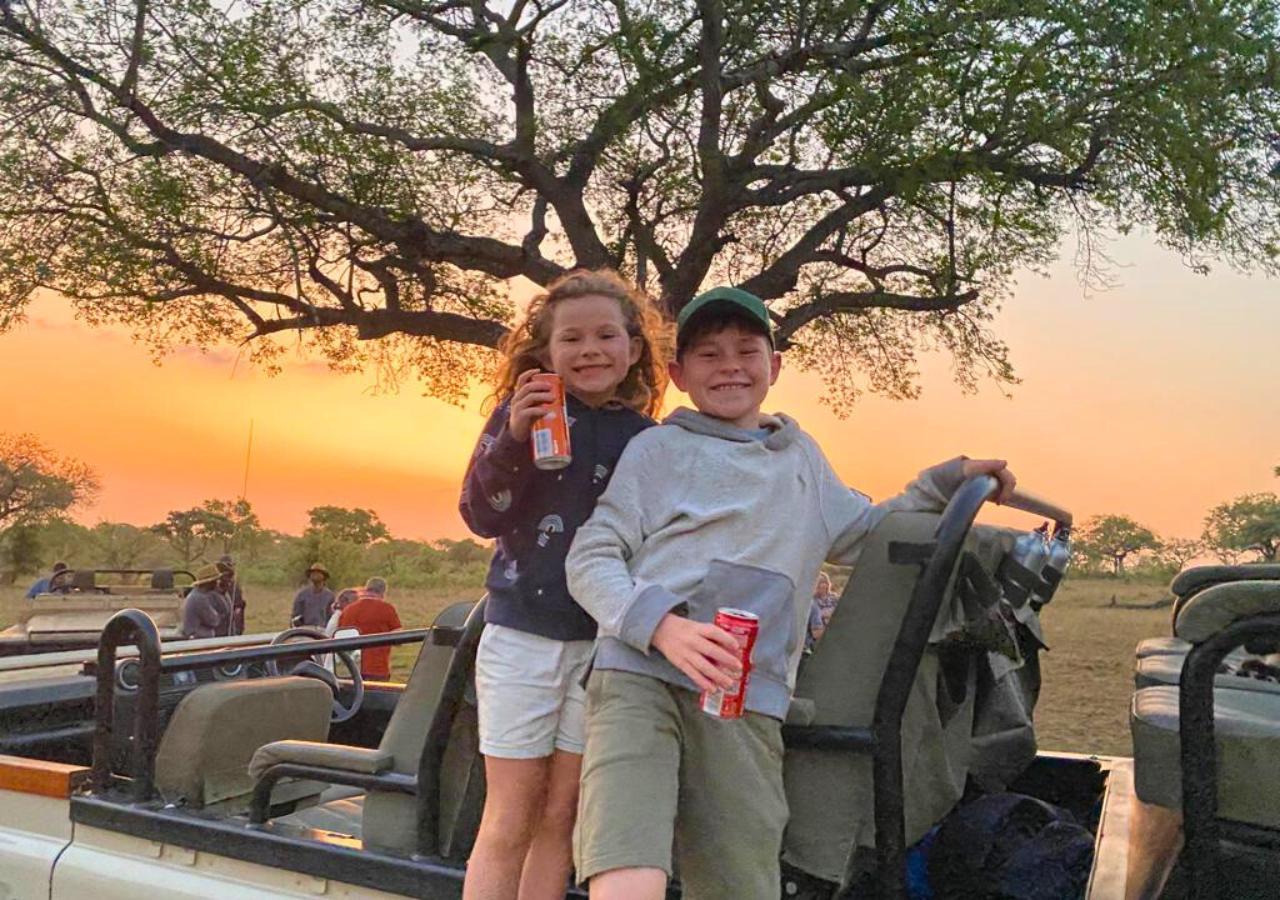
Few destinations offer the range that the Kruger does. For some, it begins with school holidays in the rest camps; self-driving through the park, spotting competitions between siblings and evenings around the braai (African word for barbeque).
The Fox family kids on safari in the Greater Kruger
Vanessa grew up visiting the park with her family. “We’d sit around the fire chatting, no TV, no mobile phones, just listening to the sounds of the bush at night. Pure magic.”
Later, she returned camping with friends in the northern Kruger. One New Year’s Eve at Shingwedzi, after a violent summer storm flattened her tent, she sheltered in the bathrooms while a pride of lions called nearby. “They were so close you could feel it in your chest. It was incredible.” We recommend our travellers experience the Greater Kruger through its private reserves, where off-road driving, walking safaris and night drives all add to the experience, and where some of Africa’s most refined lodges sit within unfenced wilderness.
Walking safari in the Greater Kruger
Travel Expert, Sasha remembers returning to Sabi Sands as an adult.
"We had been on an amazing sundown drive with our guide and tracker. We were approaching the camp when our guide turned and asked if we had ever heard of the rare Sabi Popcorn Tree. We glanced at each other with a mixture of baffled expressions and confusion... He smiled and told us to take a look at their rarest collection to date. We all turned excitedly to the side of the vehicle and burst out laughing as we saw a gnarled acacia tree, dotted with tiny bags of popcorn, each carefully tied to a branch with red ribbon!"
The Kruger evolves with travellers. It can start out as a simple family road trip or a stay at one of the continent’s leading lodges later in life.
The Wild Still Feels Wild
Despite a century of visitors, the Kruger has retained something essential: unpredictability.
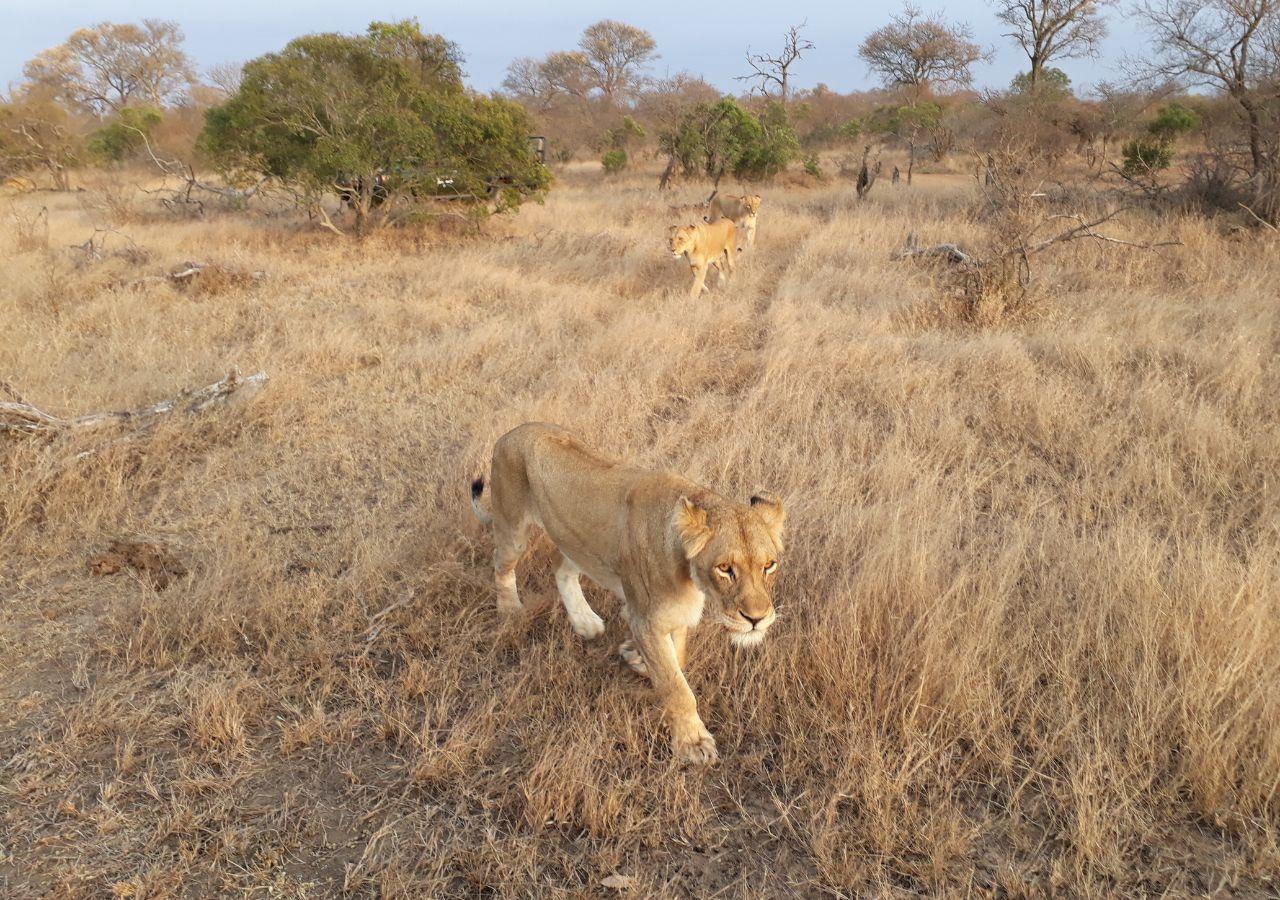
Lion sighting in the Greater Kruger
There are elephant bulls in musth that will test your nerves. Wild dogs and hyena competing over a kill. Elephants chasing hippo from waterholes. Vanessa has watched two male lions bring down a giraffe. Product Advisor, Sarah Fox has been surrounded by playful wild dog pups. Sasha has experienced an elephant charge.
As you roam the bush, you never see the whole story at once. That sense of wilderness is why the Kruger still feels authentic, even 100 years on.
It Offers Both Conservation and Community Experiences
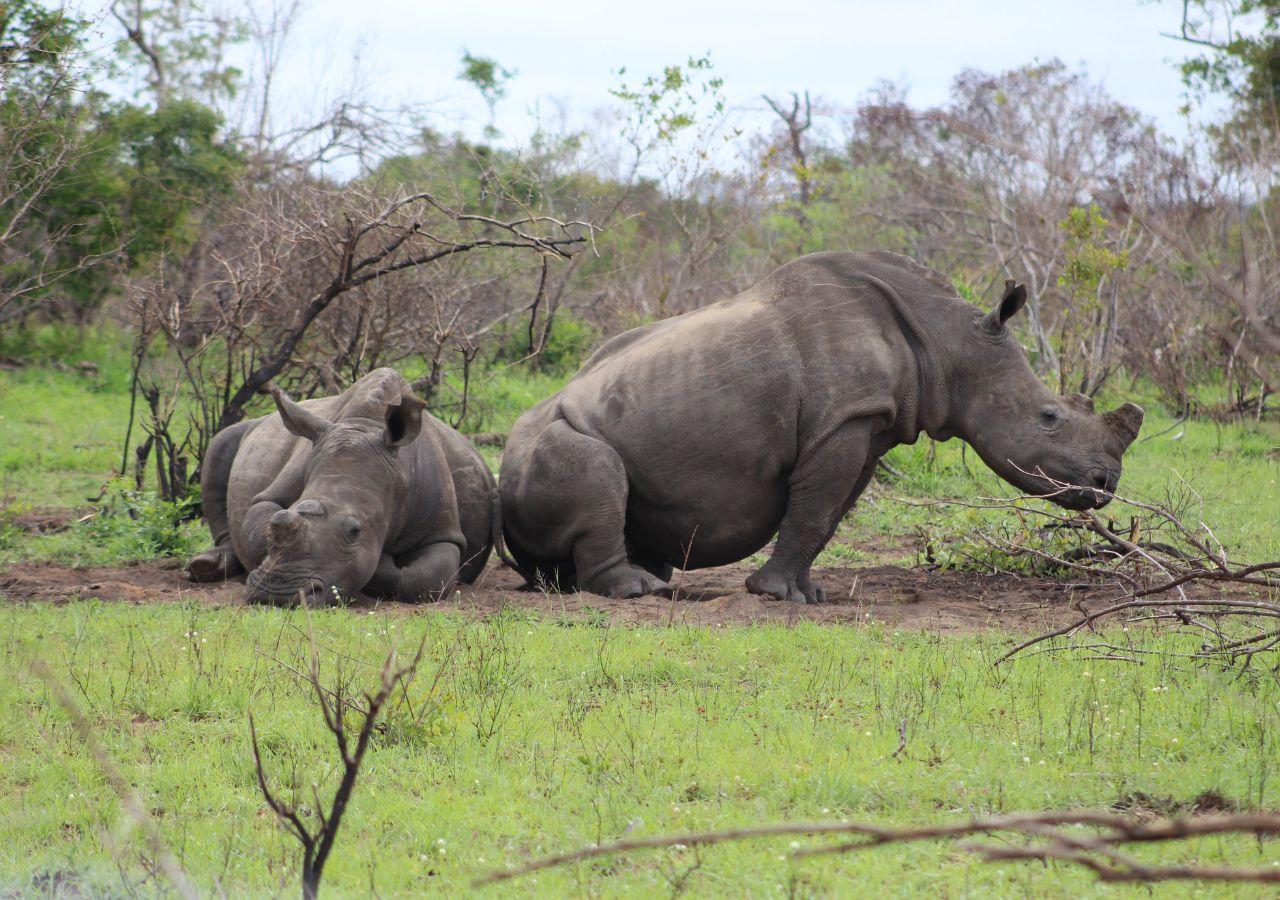
Over the past century, the Kruger has grown into one of Africa’s most significant conservation success stories. It is home to one of the continent’s largest remaining populations of rhino and a critical stronghold for endangered species such as African wild dog.
Rhino sighting in the Kruger
The private reserves have also become leaders in conservation partnerships and community integration.
If conservation and charity are important elements of travel for you, our Travel Experts can guide you towards experiences that are incredibly moving. One such experience is visiting the Sabi Sand anti-poaching canine unit and meeting the handlers and dogs protecting the reserve. Another is spending time with the Endangered Wildlife Trust tracking collared wild dogs and visiting Jabez Preschool through a lodge-supported community initiative.
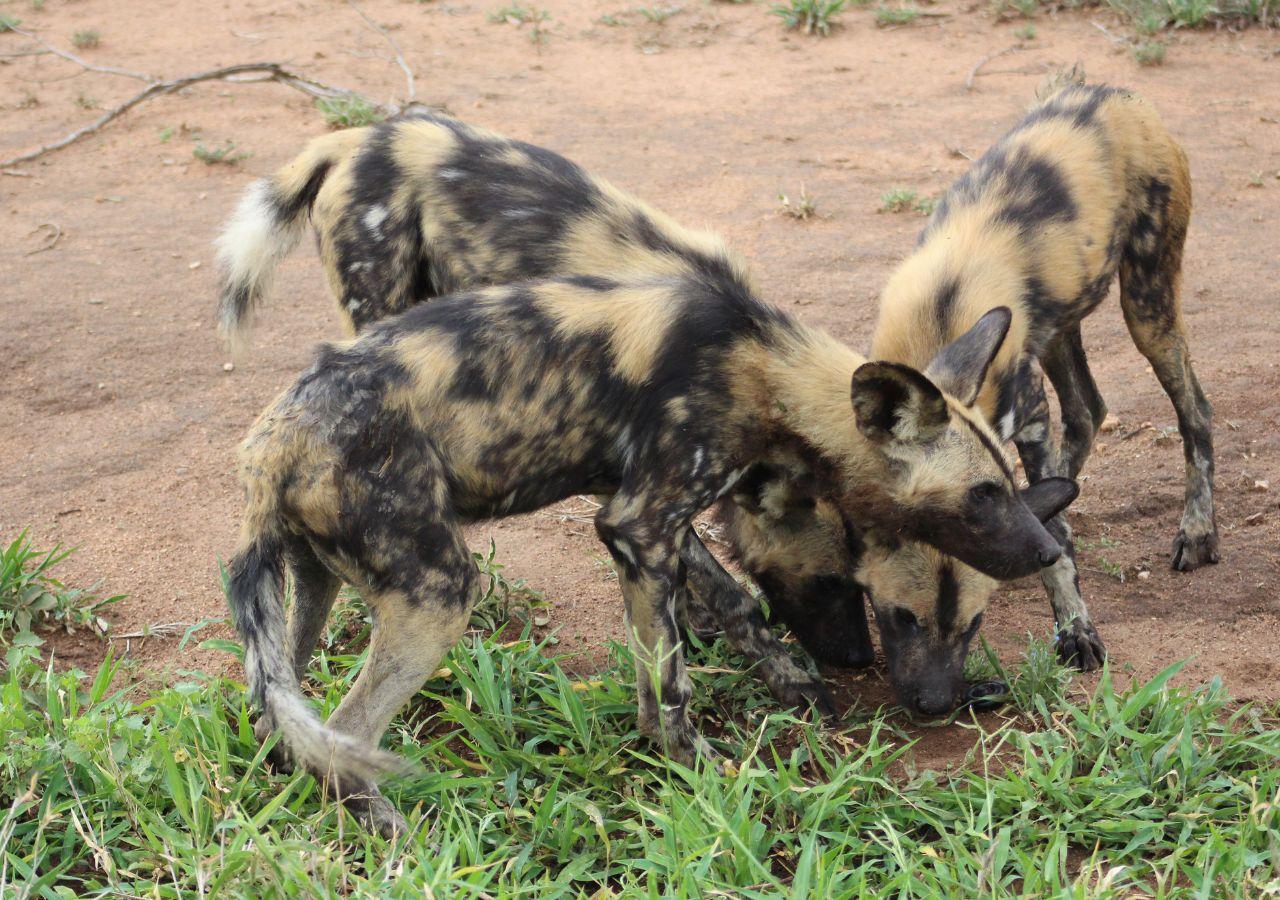
African Wild dogs in the Kruger
Several of our team members have also remarked on the strong presence of multi-generational employment in the lodges in and around Kruger, where families work together and tourism has created long-term opportunity for the surrounding communities. In this regard, the Kruger’s future has always depended on wildlife as well as people.
Why We Keep Going Back
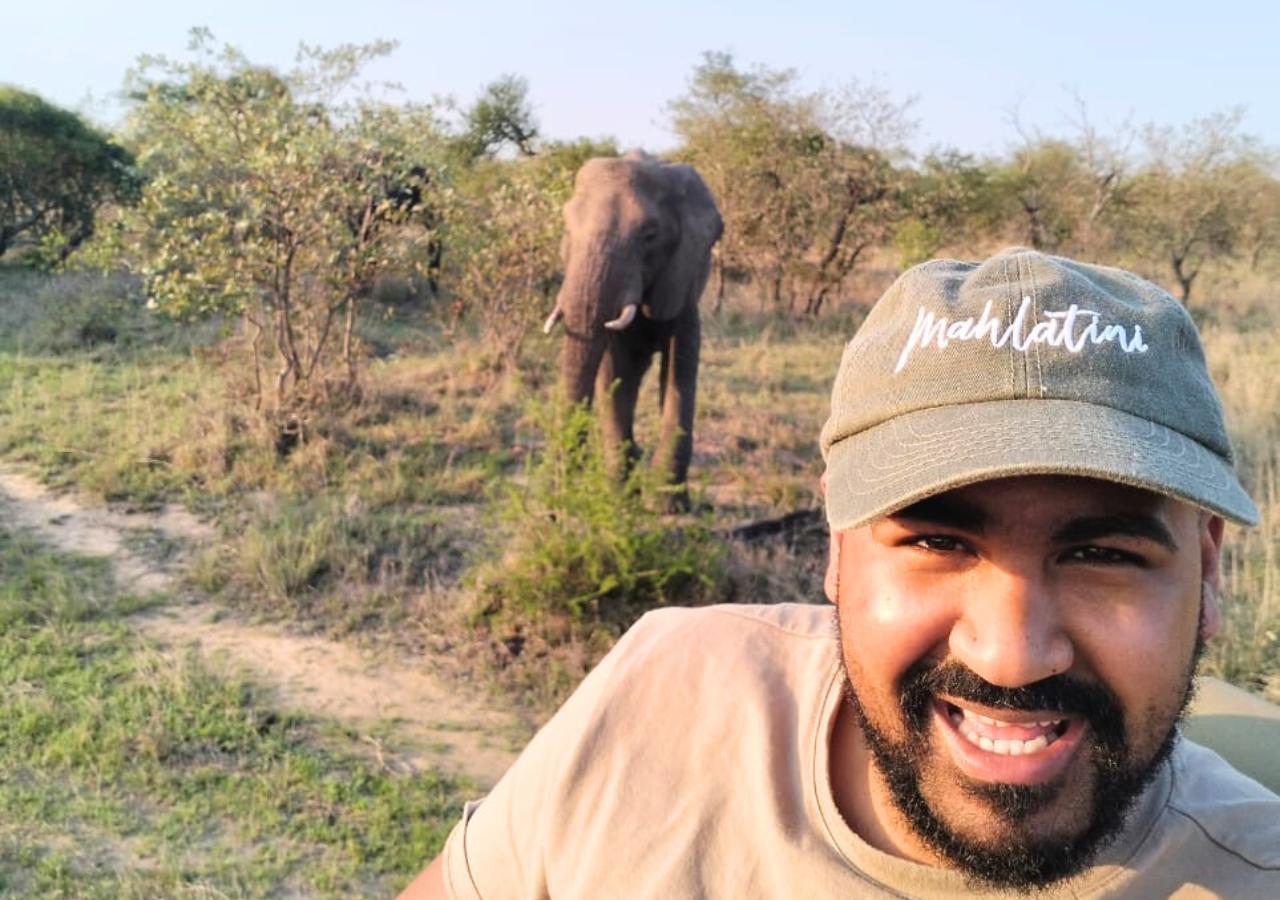
Product Team Leader, Lance, at an elephant sighting on safari
Over two decades of crafting journeys across Southern and East Africa, we’ve seen trends come and go. We’ve seen new destinations rise in popularity, and yet the Kruger remains constant. It offers extraordinary biodiversity within a well-managed, accessible framework, beautiful wilderness areas and world-class guiding. It also works for first-time safari travellers and seasoned safari veterans, making it ideal for multigenerational travel. Most importantly, it continues to deliver. First sightings, close encounters, African storms, cubs playing in riverbeds, lions calling at night... the list goes on.
A century after it was proclaimed, the Kruger is still doing what it has always done: bringing people into close contact with the African bush and giving them a reason to come back. And after 24 years of sending travellers there, we understand exactly why they do.

 +1 347-708-1755