Cultural experiences are often mistakenly overlooked when planning a safari. Most trips focus on wildlife and landscapes first. Culture tends to be added later, if at all. When it is included and planned well, it is often a highlight for many. Cultural experiences add context when it comes to the “bigger picture” and give a clearer sense of where you are travelling.
This guide outlines the main types of cultural experiences we include and how they fit into a well-planned itinerary.
What Types of Cultural Experiences Can You Include?
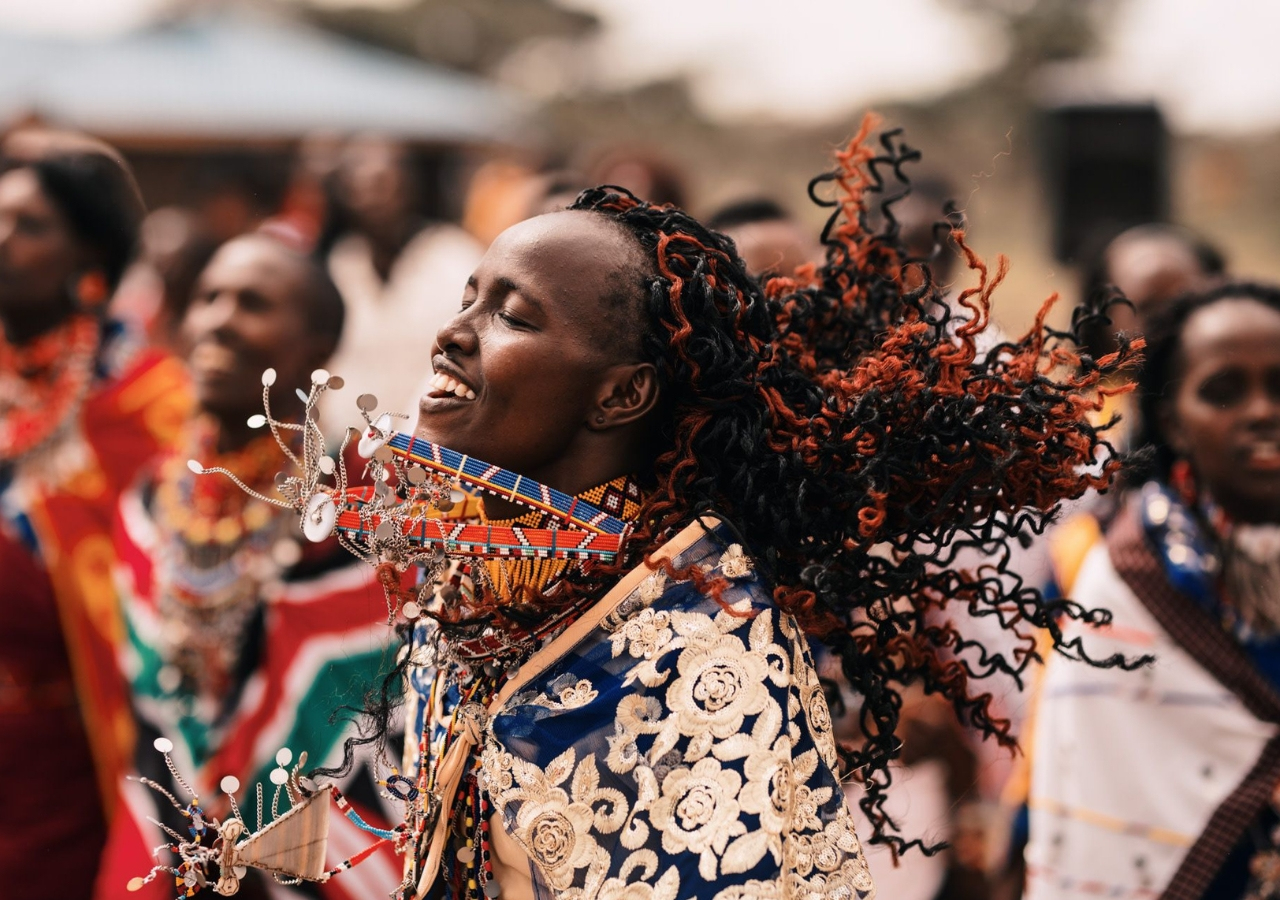
Maasai traditional celebration
Most cultural experiences fall into a few core categories:
Community and local life
Food and culinary experiences
History and heritage
Markets, arts and crafts
Performance and storytelling
Nature-linked cultural experiences
The right mix depends on your destination and how your trip is structured.
Community and Local Life Experiences
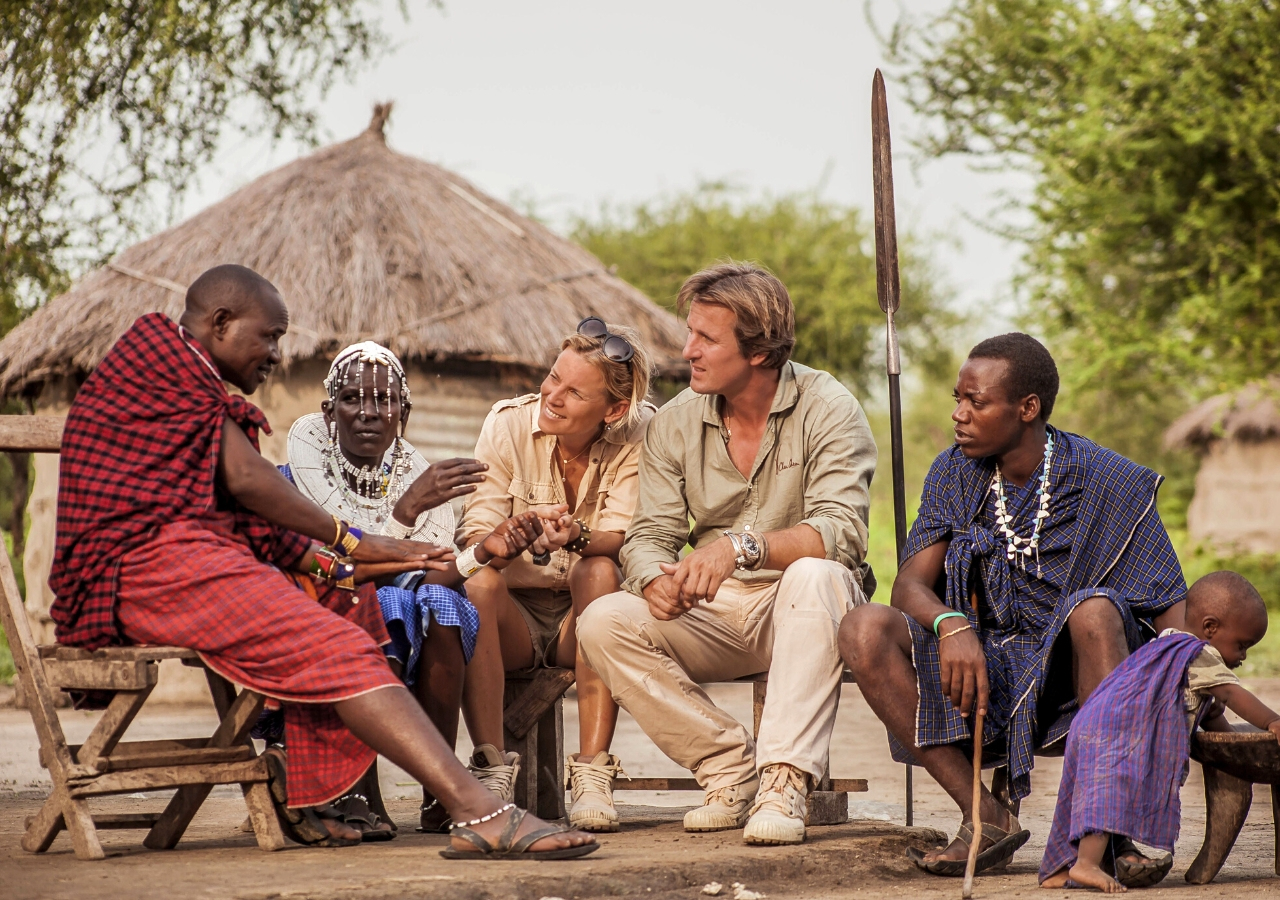
Village visits in the Maasai Mara
Spending time with local communities is often the most direct way to understand a place.
These experiences tend to work best when you have time to engage properly, rather than trying to fit them in between other activities. They are usually placed at the start of a trip or between safari locations.
In East Africa, this might include time with Maasai communities. During a stay at Angama Mara, for example, visits to local Maasai communities can be incorporated as part of your time in the Mara.
In Namibia, visits to Himba communities offer a different perspective.
All of this is arranged in advance as part of your itinerary, so the experience feels seamless rather than something you need to organise on the ground.
Food and Culinary Experiences
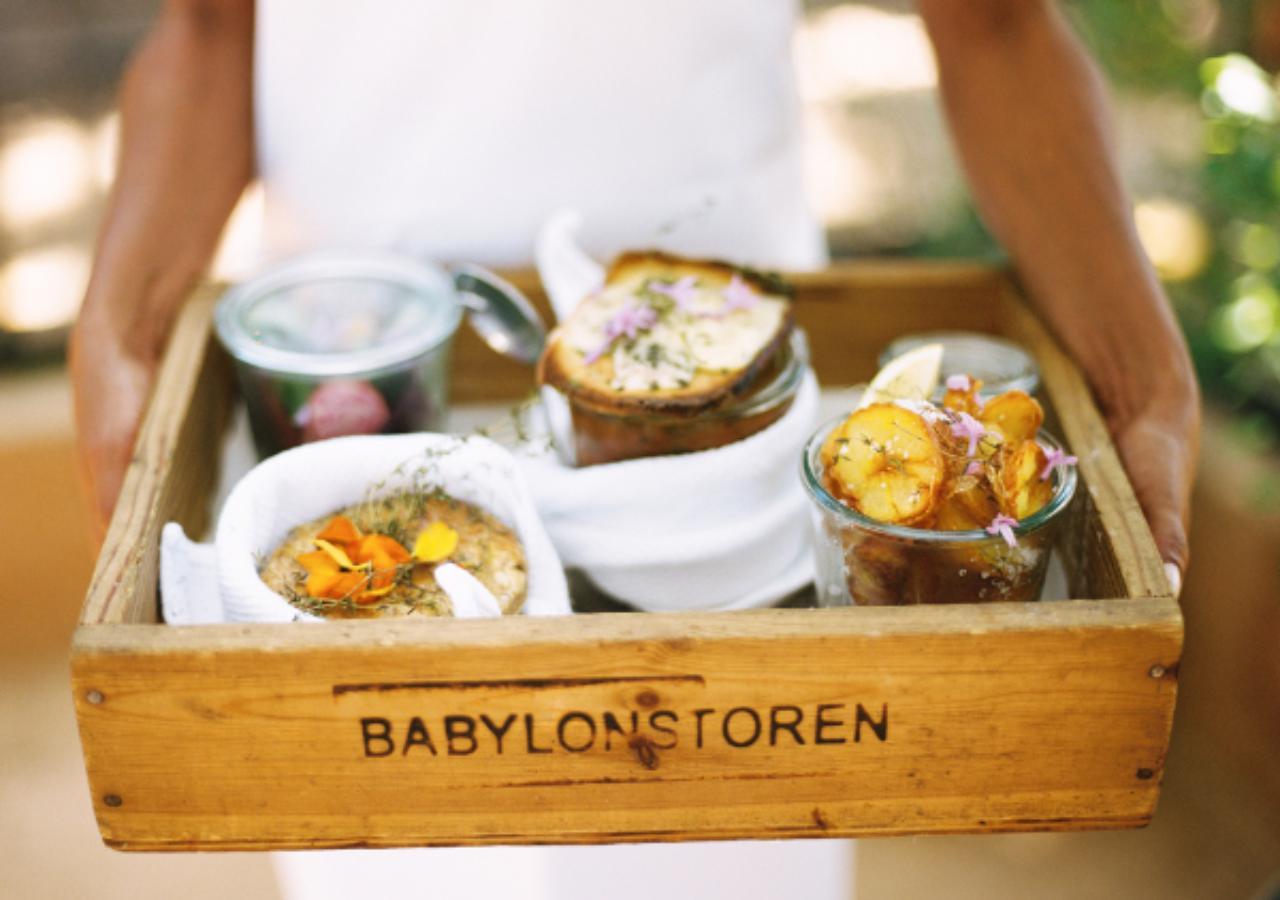
Locally sourced food at Babylonstoren
Food is one of the easiest ways to engage with a culture, and it tends to fit naturally into a trip.
This might include cooking experiences, vineyard visits or meals built around local ingredients. In many cases, these are part of your stay rather than separate excursions.
In South Africa, a stay at Babylonstoren in the Cape Winelands brings this into focus. The working farm supplies the kitchens directly, and time spent here often includes guided tastings, garden tours and a closer look at how produce moves from soil to table.
These experiences are usually placed towards the end of a safari or during a city or Winelands stay, where there is more flexibility in the day.
History and Heritage Experiences
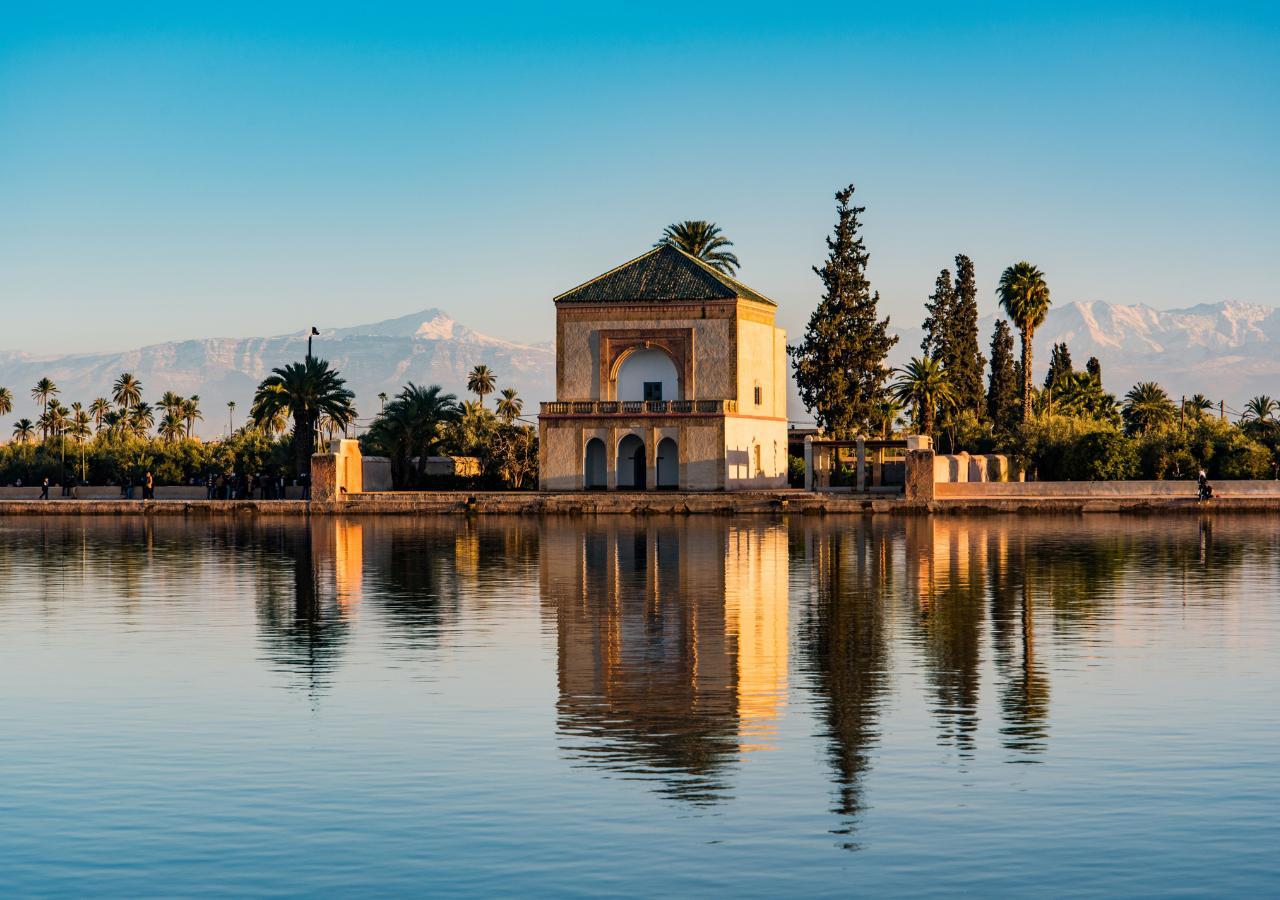
Menara Gardens in Marrakech, Morocco
In some destinations, cultural travel is centred around history and architecture.
In South Africa, this often includes time in Cape Town, where visits to Robben Island and guided city tours provide context to the country’s history. Stays at properties such as Cape Grace make it easy to explore these experiences with a private guide.
In North Africa, it may involve exploring cities such as Marrakech or Cairo, focusing on architecture and heritage sites.
These experiences are usually more structured and are built into city stays where they can be properly explored.
Markets, Crafts and Artisan Traditions
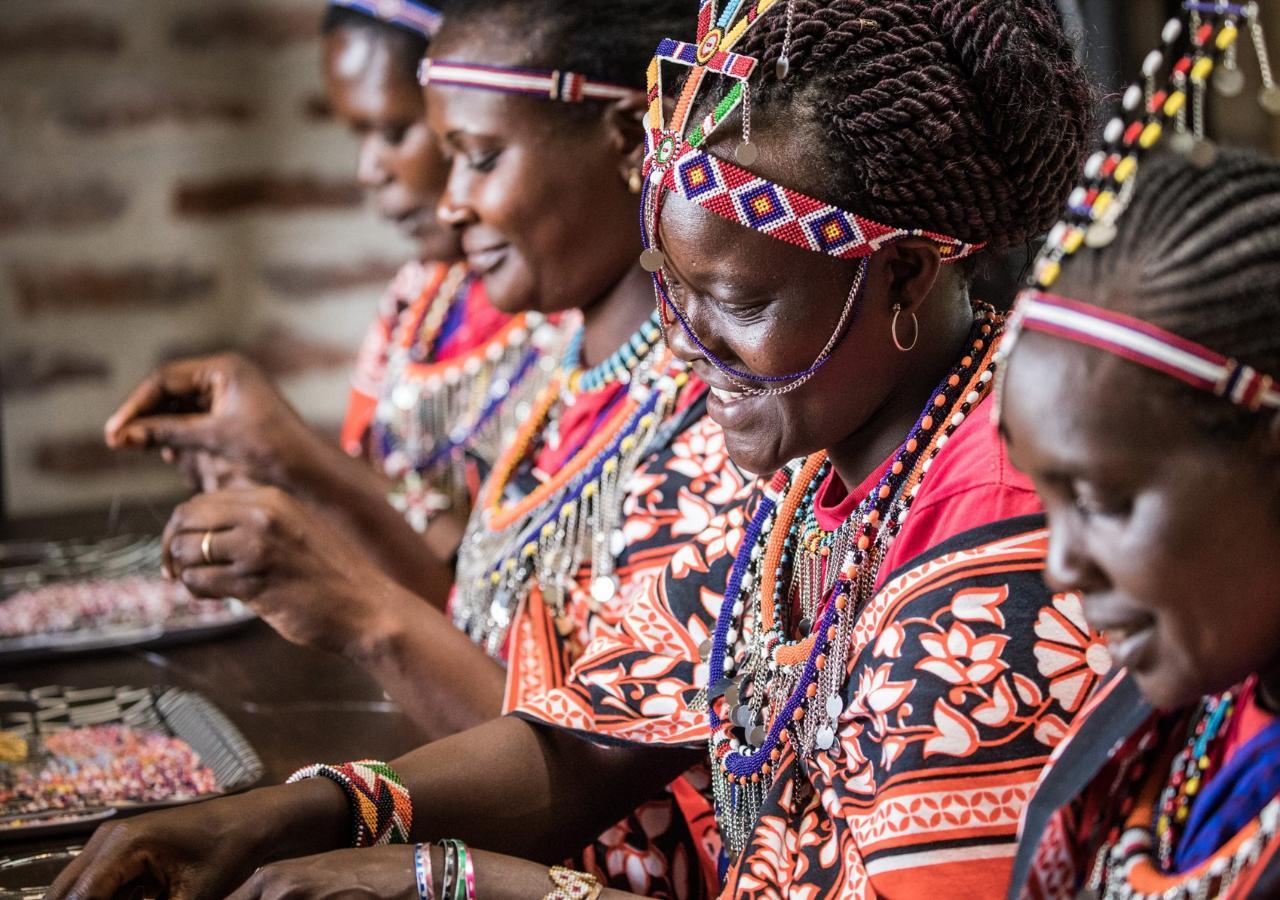
Maasai beading studio
Markets and craft experiences offer a window into daily life. Whilst they are often short, but they add useful context to a destination.
Experiences might include time in Stone Town, Zanzibar, where guided walks explore markets, workshops and the trading history that made the island into what it is today.
Many of the lodges we work with, such as Zuri Zanzibar or Baraza Resort & Spa, can incorporate these experiences as part of a stay, with privately guided access that fits around the rest of the itinerary.
In East Africa, time at a Maasai beading studio provides a more focused example of how craft supports local communities.
These experiences are easy to include within a broader journey and are usually timed to fit naturally around other activities.
Music, Performance and Storytelling
Traditional Bhutanese dancers
Music and storytelling are part of everyday life in many destinations, even when they are not presented as formal performances.
In Bhutan, this often takes the form of festival experiences, where masked dances and traditional performances are held in monastery courtyards. Stays at lodges such as Amankora Paro or Six Senses Thimphu can be timed to coincide with these events.
In parts of Southern Africa, storytelling and music are more informal, often shared during time spent in local communities.
These experiences are not always the focus of an itinerary, but they can add a different layer when included in the right place.
Nature-Linked Cultural Experiences
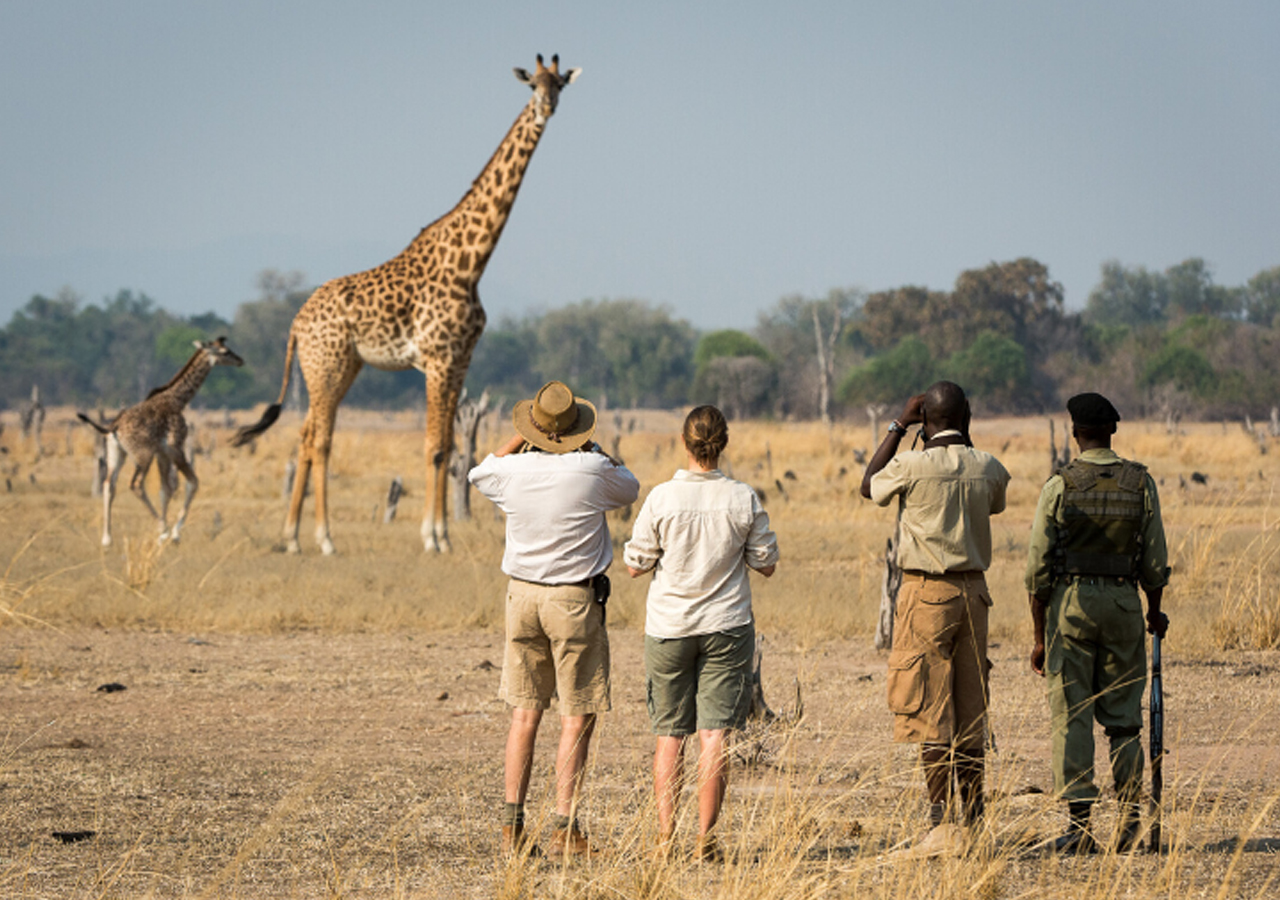
Giraffe sighting on a walking safari in Zambia
Some cultural experiences are closely tied to the landscape itself.
This might include walking with local guides, learning tracking techniques, or understanding how communities interact with wildlife and the land.
In Zambia, for example, walking safaris in South Luangwa, often experienced through camps such as Time + Tide Chinzombo, are led by guides who bring both wildlife and local knowledge into the experience.
In Namibia, time spent with local guides in remote areas offers a similar connection between culture and environment.
How to Choose the Right Cultural Experiences
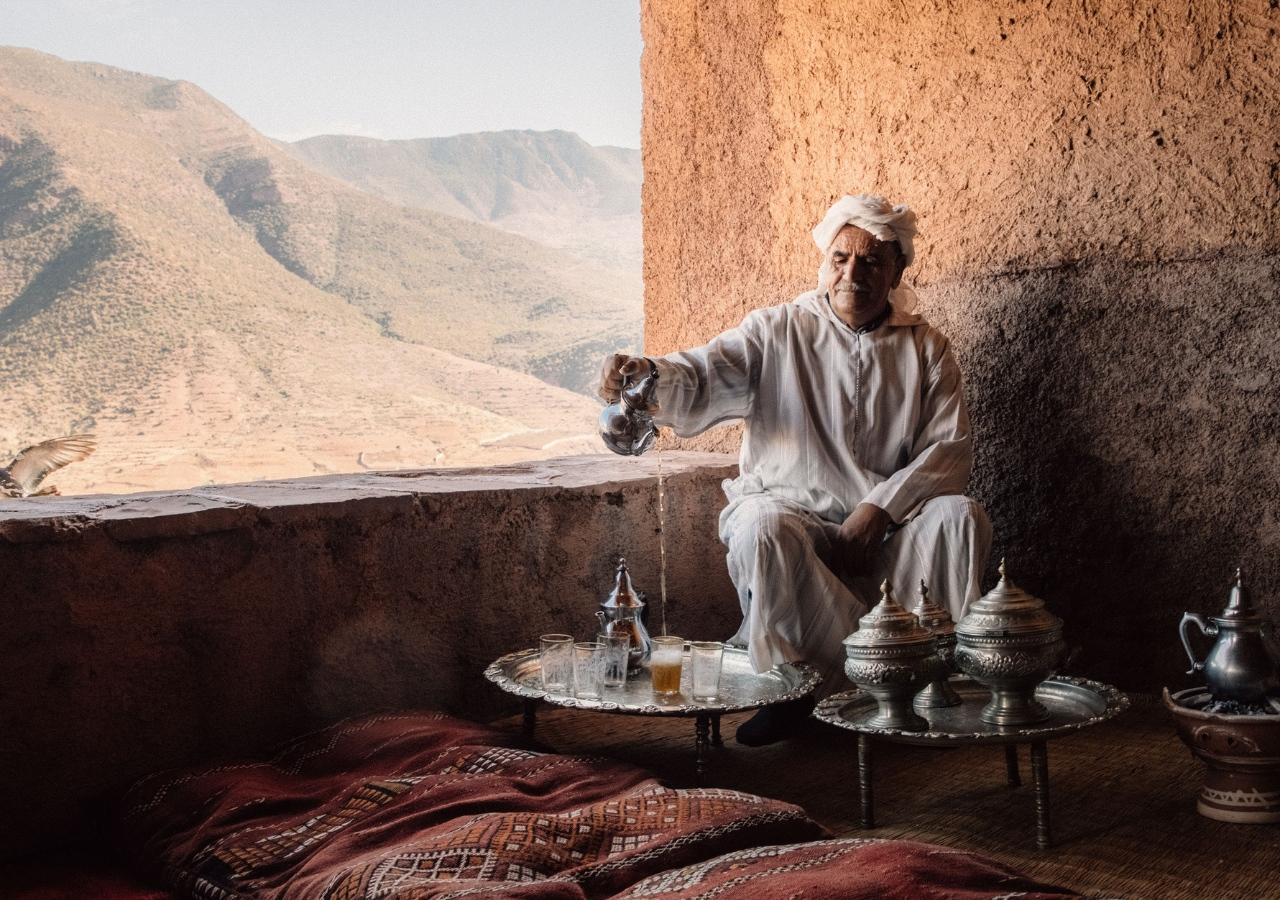
Tea at Sidi Brahims House, Morocco
Not every trip needs every type of experience.
In most cases, it is better to include a small number of well-placed cultural elements rather than trying to cover everything.
A typical approach might be:
community or cultural context early in the trip
safari or main travel focus in the middle
food, coastal or city experiences towards the end
In most cases, it’s not about adding more, it’s about placing the right experience at the right point in the journey.
Planning Your Journey With Mahlatini
Monks in Bhutan
Cultural experiences work best when they are shaped around the wider journey rather than added in isolation.
At Mahlatini, everything is planned in advance, from guiding to timing to how each experience fits into the day. Our Travel Experts draw on first-hand knowledge and close relationships with our lodge partners to ensure that each element feels considered and well paced. Our recognition in the Condé Nast Traveller and Travel + Leisure awards reflects the care taken in building these itineraries.

 +1 347-708-1755