+1 347-708-1755


If you’re planning a water-based safari, it’s easy to assume a delta safari and a river safari are much the same. Both put you on the water. Both bring a quieter, more observational side of safari. Both can be exceptional. But they do feel different once you’re there...
In simple terms, a delta safari is shaped by a wetland system of channels, floodplains and islands, while a river safari follows the course of a major river. That difference affects everything from the pace of the day to the kind of wildlife viewing you can expect and the way your wider itinerary comes together. The Okavango Delta is one of the world’s great inland delta systems, with seasonal flooding that arrives during the dry season, while classic river safari areas such as the Chobe and Lower Zambezi are defined by life gathering along a major watercourse.
If you’re deciding between the two, this is what matters.
What is a Delta Safari?
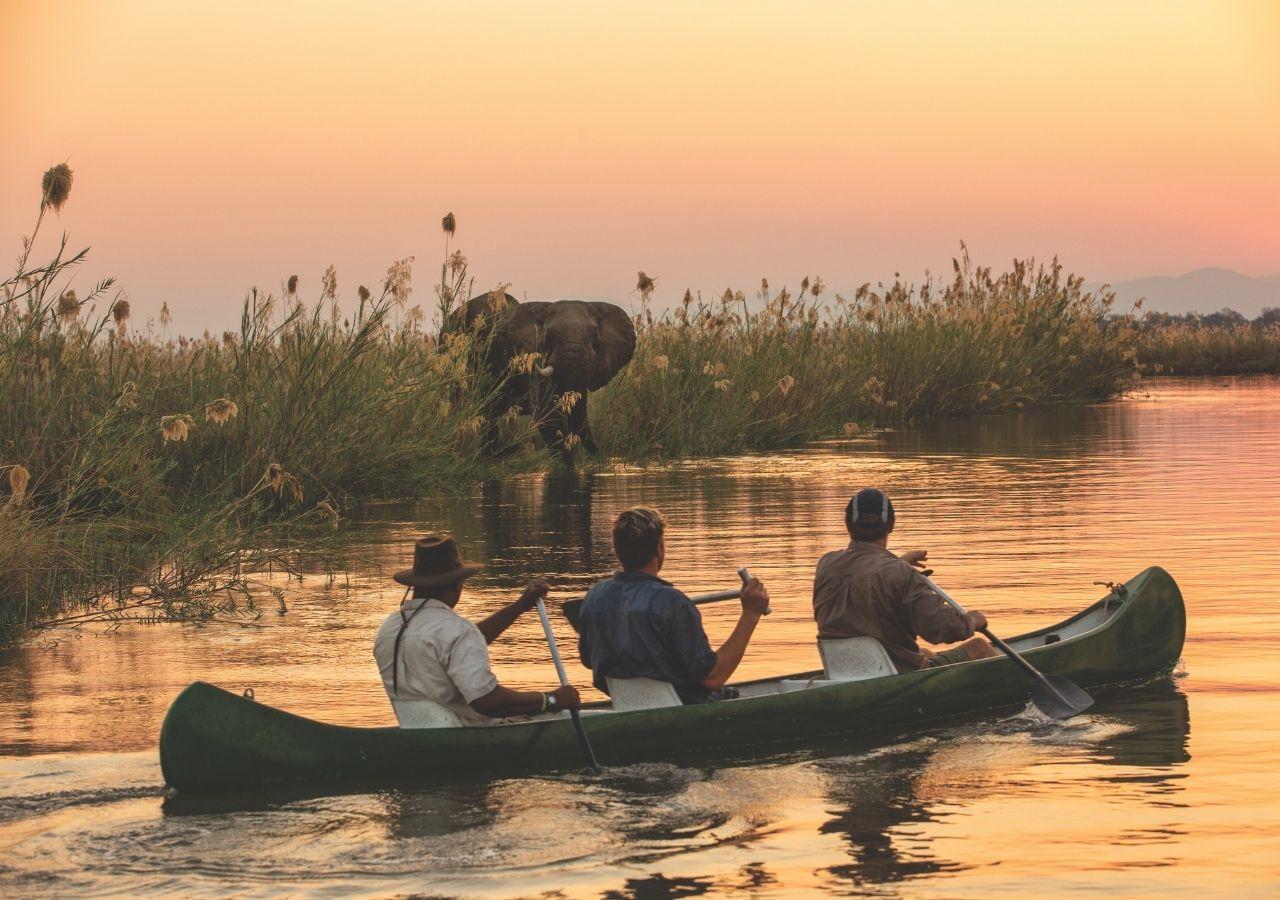
A delta safari is usually associated with the Okavango Delta in Botswana, Africa’s most iconic water-based safari destination. You can learn a bit more about it in our guide to where to go for a water-based safaris, which describes the seasonal floods creating a maze of channels and islands where wildlife can be seen by boat, mokoro and vehicle.
You are not simply travelling along one riverbank. You are moving through a shifting wetland system where water and land sit closely together. It is important to note that not all Okavango stays are equally water-focused, because water levels, region and timing shape what is actually possible.
What a Delta Safari Tends to Feel Like
- Quieter and more immersive
- More varied between water channels, islands and dry land
- Especially strong for mokoro excursions and gentle boating
- Often ideal if you want a safari that feels atmospheric
For many travellers, this is the water-based safari they picture first.
What is a River Safari?

A river safari is built around a major river corridor, rather than a full delta ecosystem.
Think of places such as the Chobe River in Botswana or the Lower Zambezi in Zambia. In these regions, the river is the lifeline of the safari. A great diversity of wildlife comes to the banks to drink, cool off, feed and move between habitats. That often makes sightings feel more concentrated and more immediate, especially in the dry season when animals gather close to permanent water.
What a River Safari Tends to Feel Like
- More linear, following the course of the river
- Often stronger for sightings of animals gathering at the water’s edge
- Particularly good for boating, sundowner cruises and canoeing
- Easy to combine with classic land-based game viewing and walking safaris
If you like the idea of wildlife coming to you, a river safari often does that beautifully.
Delta Safari vs River Safari: The Main Differences

1. The landscape
This is the biggest distinction. A delta safari takes place in a broad wetland system with channels, lagoons, papyrus-fringed waterways, islands and floodplains, while a river safari is more focused. The experience follows a single major river and its banks, where wildlife activity is often concentrated.
That means the Delta feels more like being absorbed into an ecosystem, while a river safari often feels more like watching the theatre of the bush unfold around a vital water source.
2. The Safari Style
A delta safari usually leans further into stillness. The Okavango is famous for mokoro journeys, where you float quietly through the channels at water level. A river safari often leans further into boat-based game viewing.
On the Chobe, for example, the draw is not only the scenery but the concentration of wildlife along the riverfront. On the Lower Zambezi, the river gives you boating and canoeing, but also a strong sense of movement through the landscape.
3. The Wildlife Experience
Both can be excellent, but the pattern of sightings is different.
On a delta safari, the attraction is often the blend of water-adapted habitat, birdlife, island game viewing and the chance to experience the bush from several angles.
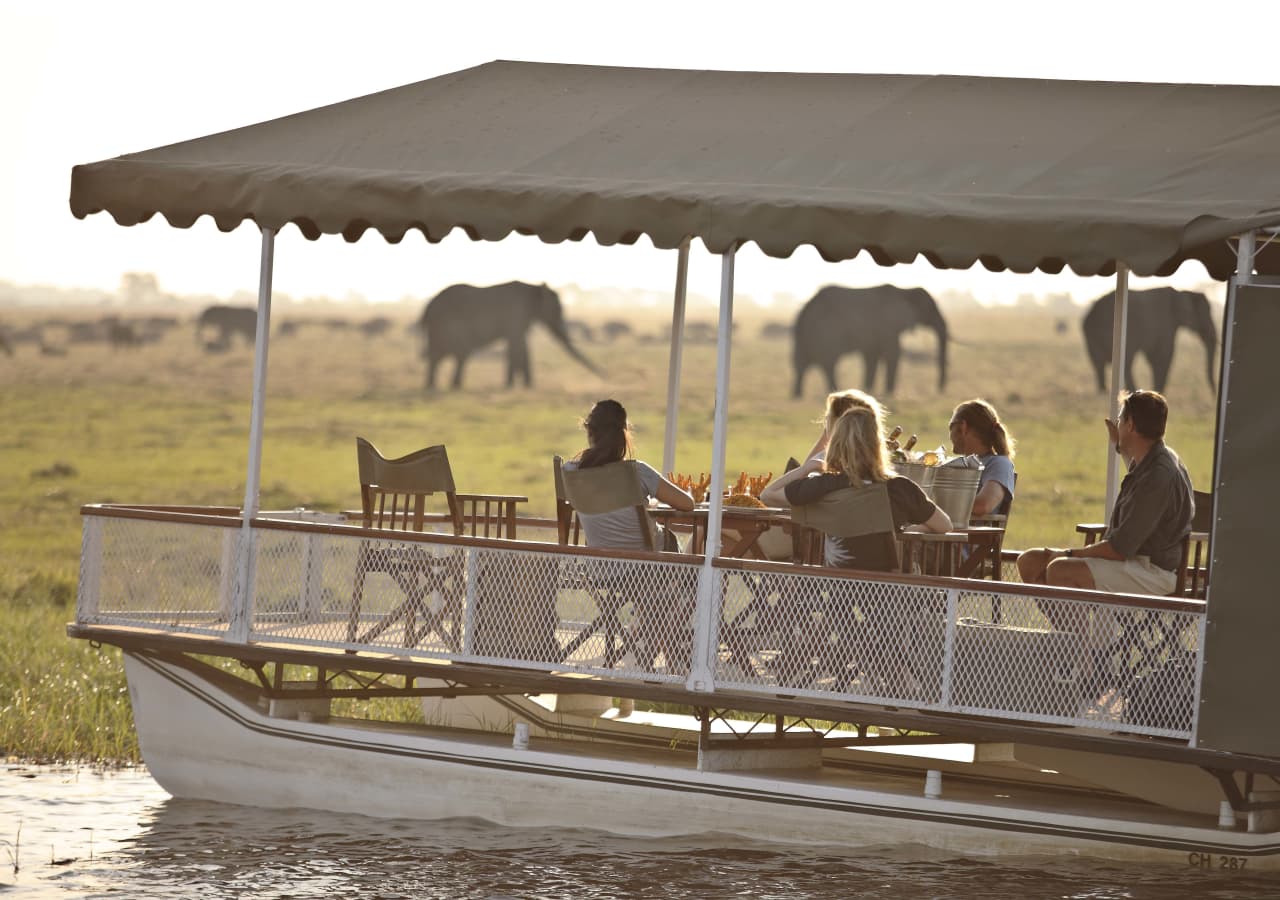
On a river safari, the sightings can feel more concentrated because animals are drawn to the river itself. Elephant herds, hippo, crocodile and birdlife are often central to the experience, with predators never far from the action when prey species gather along the banks.
4. The Pace of the Trip
A delta safari often suits travellers who want to slow down without sacrificing sightings.
A river safari can still be peaceful, but it often feels a touch more social and active, particularly where boating, canoeing, fishing or river cruises are part of the lodge or camp rhythm. These experiences tend to work best when paired with land-based safari, adding contrast rather than replacing it entirely.
5. How Each Works in a Wider Itinerary
This matters more than many people expect. A delta safari works brilliantly when you want a Botswana itinerary shaped around the Okavango, perhaps with another contrasting area such as the Linyanti or Chobe.
A river safari often fits especially well into multi-stop journeys because it combines so naturally with other safari styles. The Lower Zambezi with South Luangwa is a strong example: river-based safari on one side, one of Africa’s classic walking safari destinations on the other.
So if you already know you want walking as part of the trip, a river-led Zambia itinerary may be the stronger fit.
Which is Better: Delta Safari or River Safari?
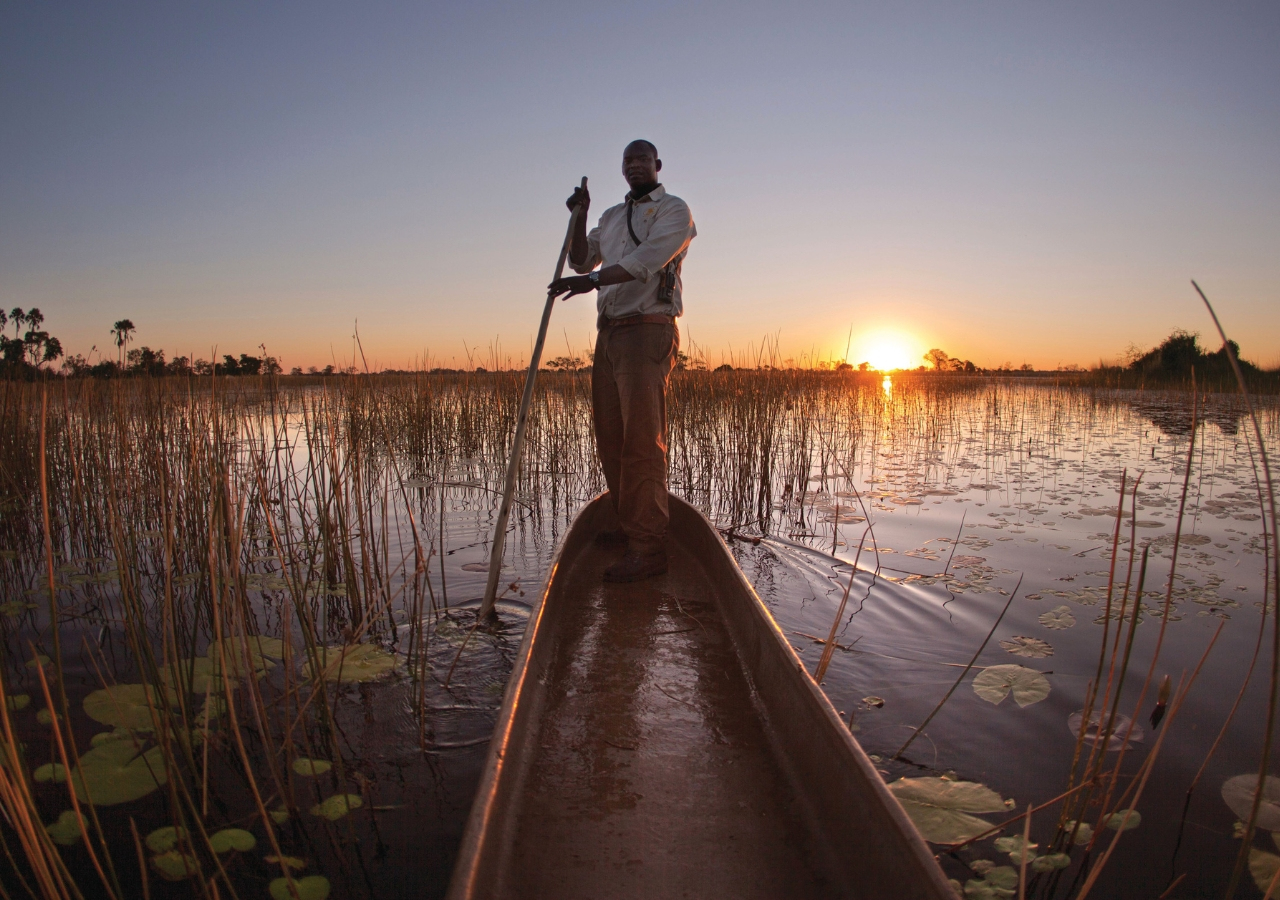
Choose a delta safari if you want:
- The Okavango’s wetland atmosphere
- Mokoro excursions and quieter water movement
- A stronger sense of being enveloped by the landscape
- A safari that feels calm and immersive
Choose a river safari if you want:
- Wildlife gathering visibly along the banks
- Classic boat safari moments at golden hour
- The option to add canoeing or a river lodge stay
- An itinerary that combines easily with walking safari country or land-based big game areas
Neither is inherently better... They simply reward different instincts.
Our View
For a first water-based safari, the real question is less delta or river and more what balance do you want between atmosphere and activity.
If the dream is drifting through the Okavango by mokoro, staying somewhere that feels deeply tied to the wetlands, and letting the landscape set the pace, then the Delta is hard to beat.
If you want to watch elephant herds at the river’s edge, head out by boat in the late afternoon, and perhaps combine that with walking or stronger land-based game viewing, a river safari may suit you better.
Why Plan This Kind of Safari With Mahlatini?

Water-based safaris are not just about choosing a destination. Timing, camp position, water levels and the mix of activities all matter. That is where specialist planning really earns its place. We were recently named among the Top World’s Best Tour Operators in the Travel + Leisure World’s Best Awards, and this recognition points to our expertise in the art of paying attention to the details that separate a good journey from a great one.
If you are weighing up a delta safari against a river safari, we’ll help you decide based on how you want the trip to feel, not just what looks good on paper.