+1 347-708-1755


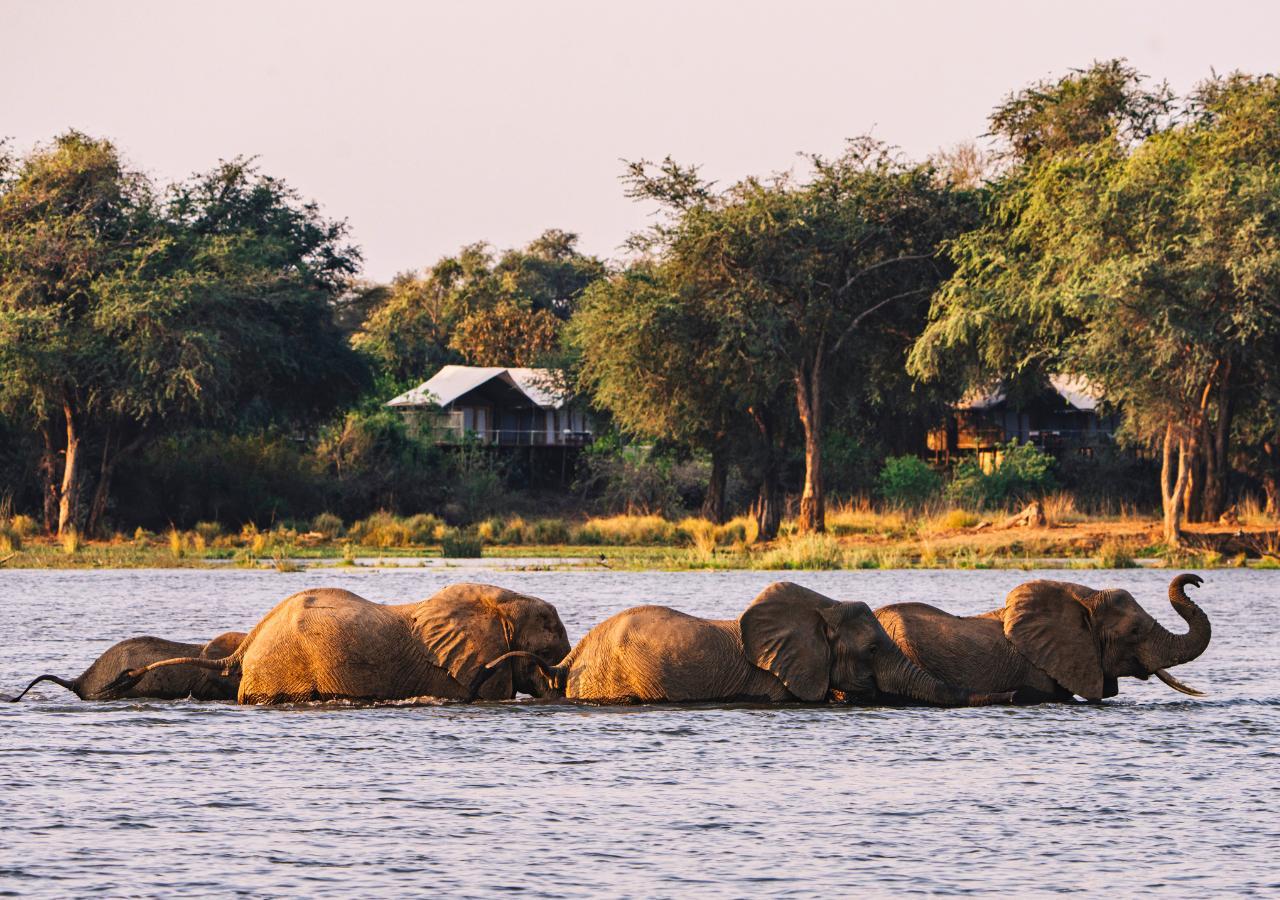
Packing for a water-based safari is slightly different from packing for a more traditional safari. You are likely to spend time on boats, in mokoros or around rivers and floodplains, often with a mix of warm afternoons, cooler mornings and changing conditions throughout the day.
The good news is that you do not need specialist expedition gear. Most camps keep things relaxed, and overpacking usually makes travelling between lodges harder, especially when light aircraft are involved.
The focus should be on lightweight clothing, practical layers and a few items that make time on the water more comfortable.
What is Different About Packing for a Water-Based Safari?
The main difference is the environment. Water-based safaris often include boat safaris, mokoro excursions and activities around rivers or wetlands. This means you are more exposed to sun, wind and occasional spray than on a standard game drive.
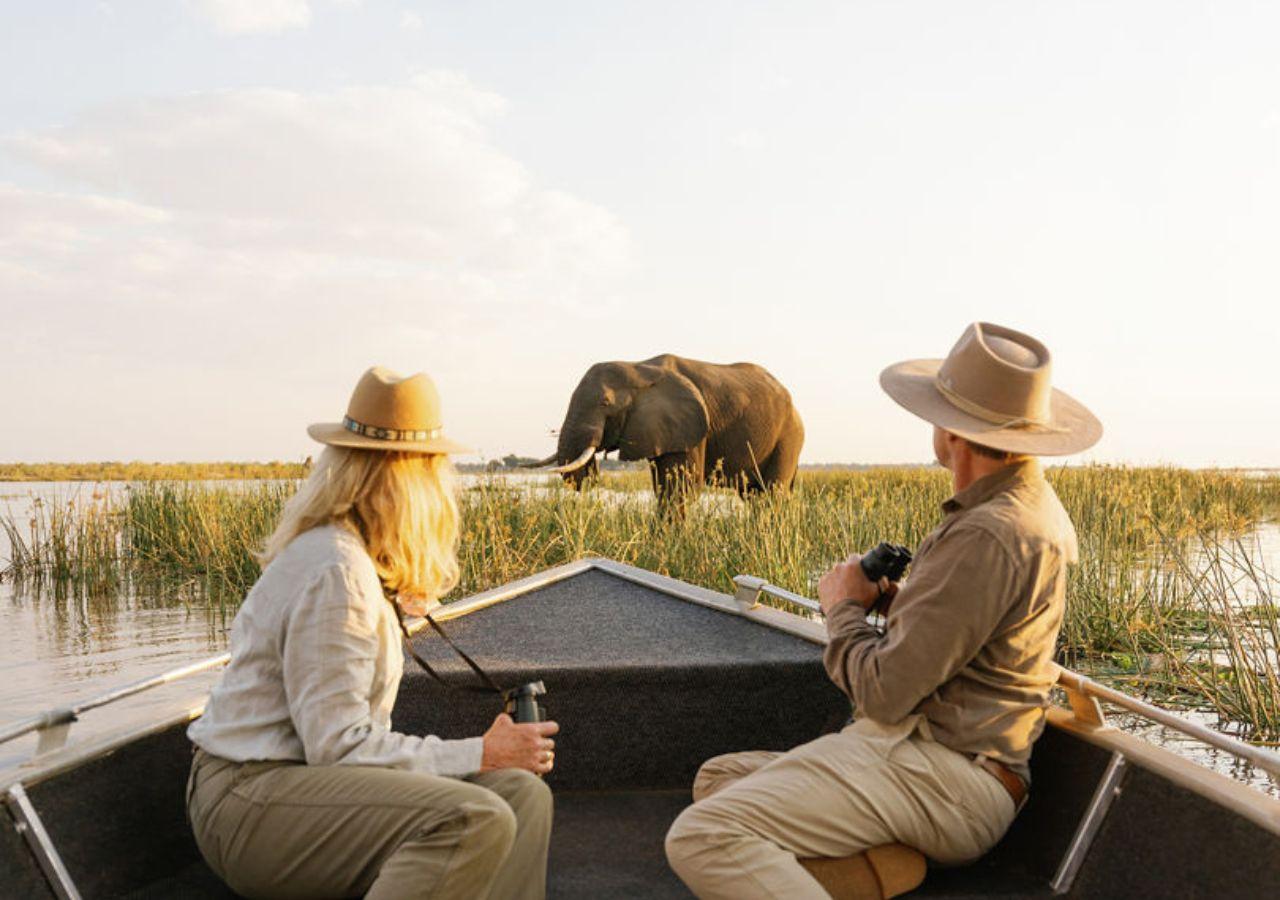
Regions such as the Okavango Delta and Lower Zambezi also tend to have stronger contrasts between morning and afternoon temperatures, so layering matters more than packing large amounts of clothing.
If you are still deciding between different safari styles, our guide to delta safaris vs river safaris explains how these experiences differ and what activities are usually included.
Clothing That Works Best
Simple, lightweight clothing is usually best.
Long-sleeved linen or cotton shirts work well during the day, particularly in neutral colours such as olive, beige, khaki or light brown. They help with both sun protection and insects around the water.
Lightweight trousers are more useful than shorts for most activities, especially early mornings and evenings. Many travellers also pack one warmer mid-layer or fleece for boat safaris and early starts, as temperatures can feel cooler out on the water.
A lightweight waterproof jacket is also worth bringing, particularly in regions where weather can shift quickly or where spray from boats is common.
You do not need overly technical safari clothing unless you already own it. You can also refer to our guide on what to wear on safari for further guidance.
The Ins and Outs of Footwear
Most water-based safaris do not require heavy walking boots.
Comfortable trainers, lightweight walking shoes or sandals are usually enough, depending on the activities included in your itinerary. Closed shoes are better for mokoro excursions, walking activities or cooler mornings.
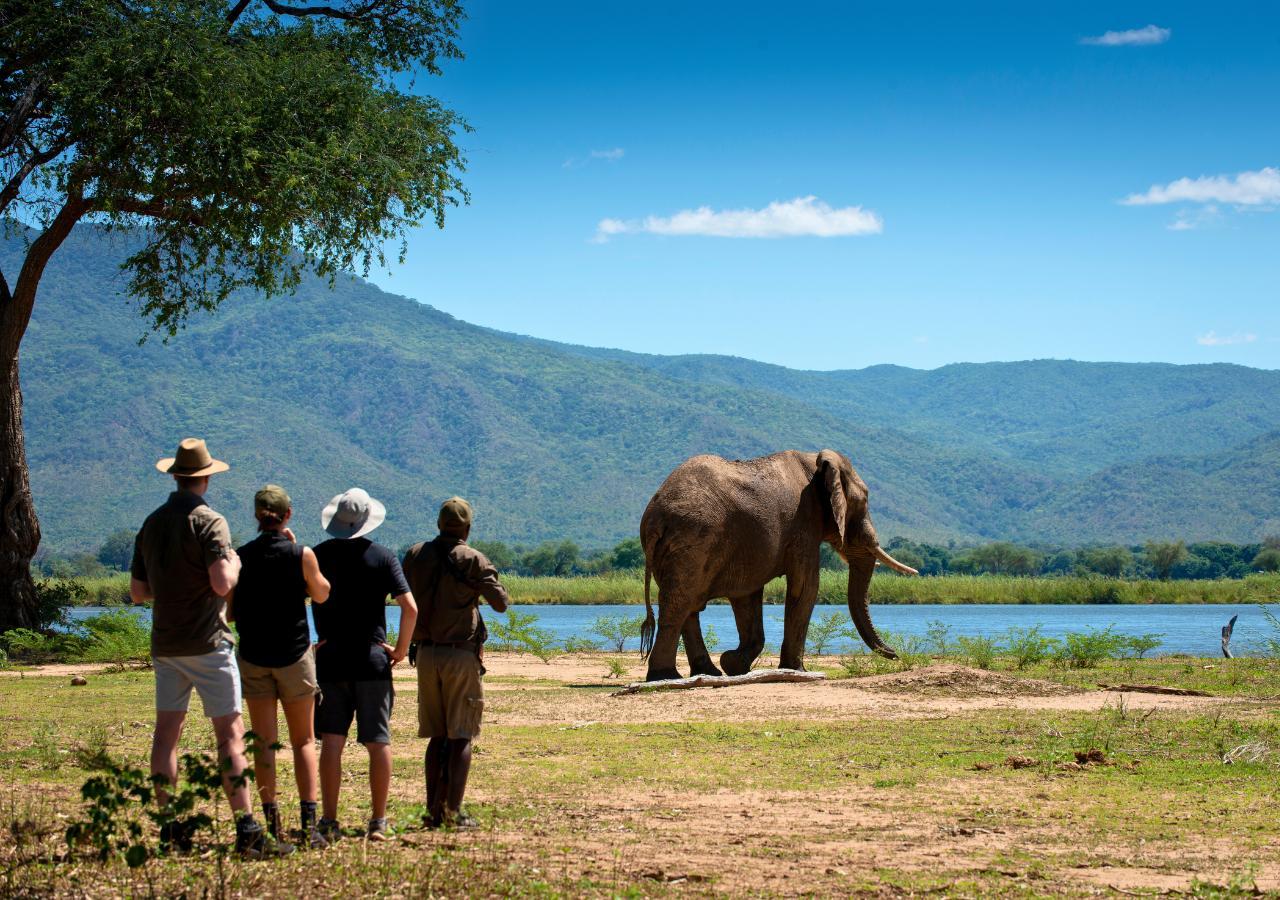
If your trip includes walking safaris alongside water-based activities, it is worth packing sturdier shoes with decent grip. Explore our guide to walking safaris if you are combining both experiences in one itinerary.
What to Pack for Boat Safaris and Mokoro Trips
A few smaller items make a noticeable difference on the water.
A dry bag is useful for cameras and phones, particularly during mokoro excursions or smaller boat trips.
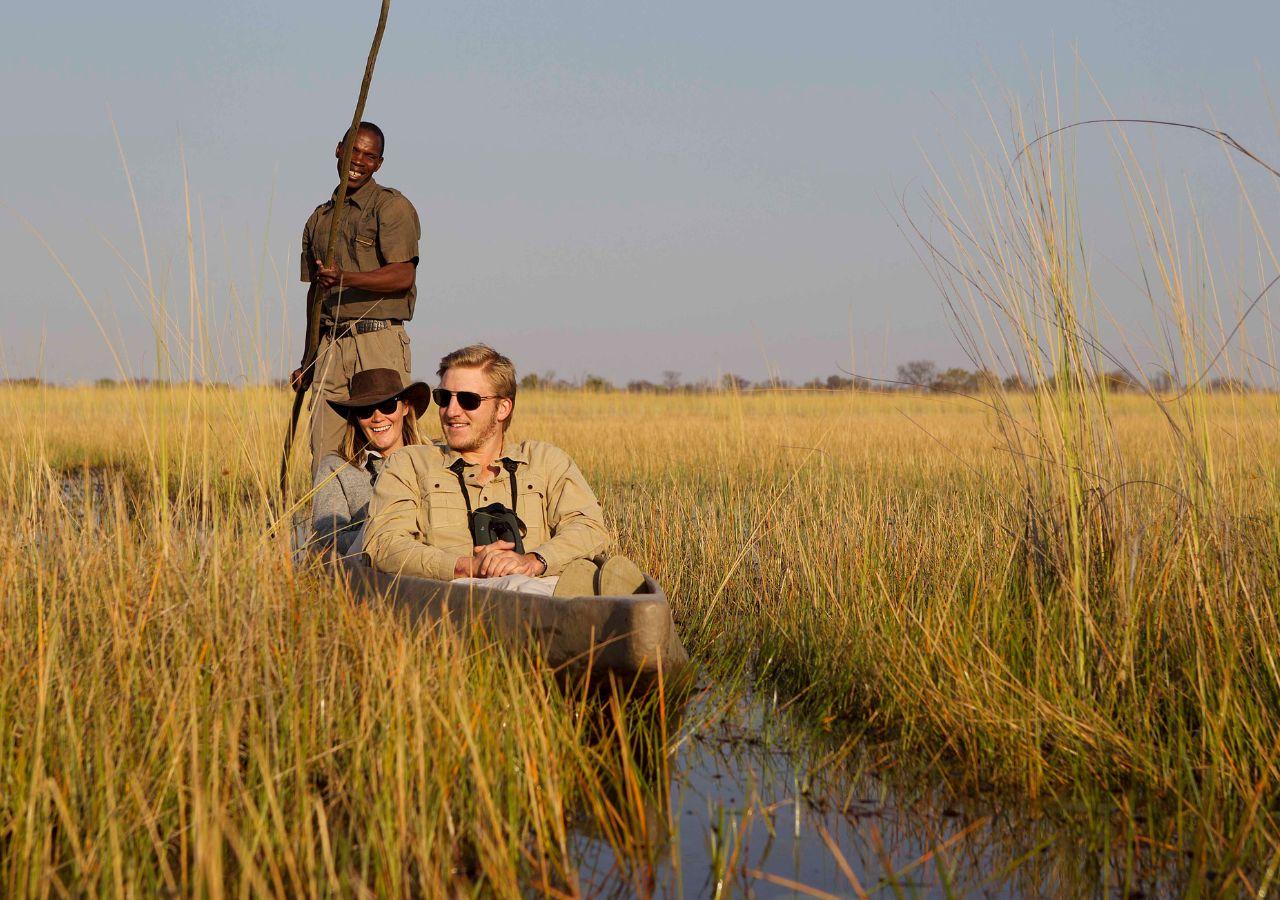
Sun protection matters more than many travellers expect. A wide-brim hat, a buff to keep the sun off your neck, lightweight layers, a lip balm with an SPF, and good sunscreen are usually more useful than packing extra clothing. Polarised sunglasses are also worth bringing, as glare from the water can become tiring over a few days.
We also recommend taking insect repellent along, as well as eye drops, which are always handy after a long, dusty game drive.
Binoculars are worth bringing too, especially in regions with strong birdlife such as the Okavango Delta.
Should You Pack Swimwear?
Yes, but mainly for time at camp rather than safari activities themselves.
Many camps and lodges have pools, particularly in Botswana, Zambia and parts of Zimbabwe where afternoons can become very warm. Swimwear is also useful if your itinerary includes beach time before or after safari.
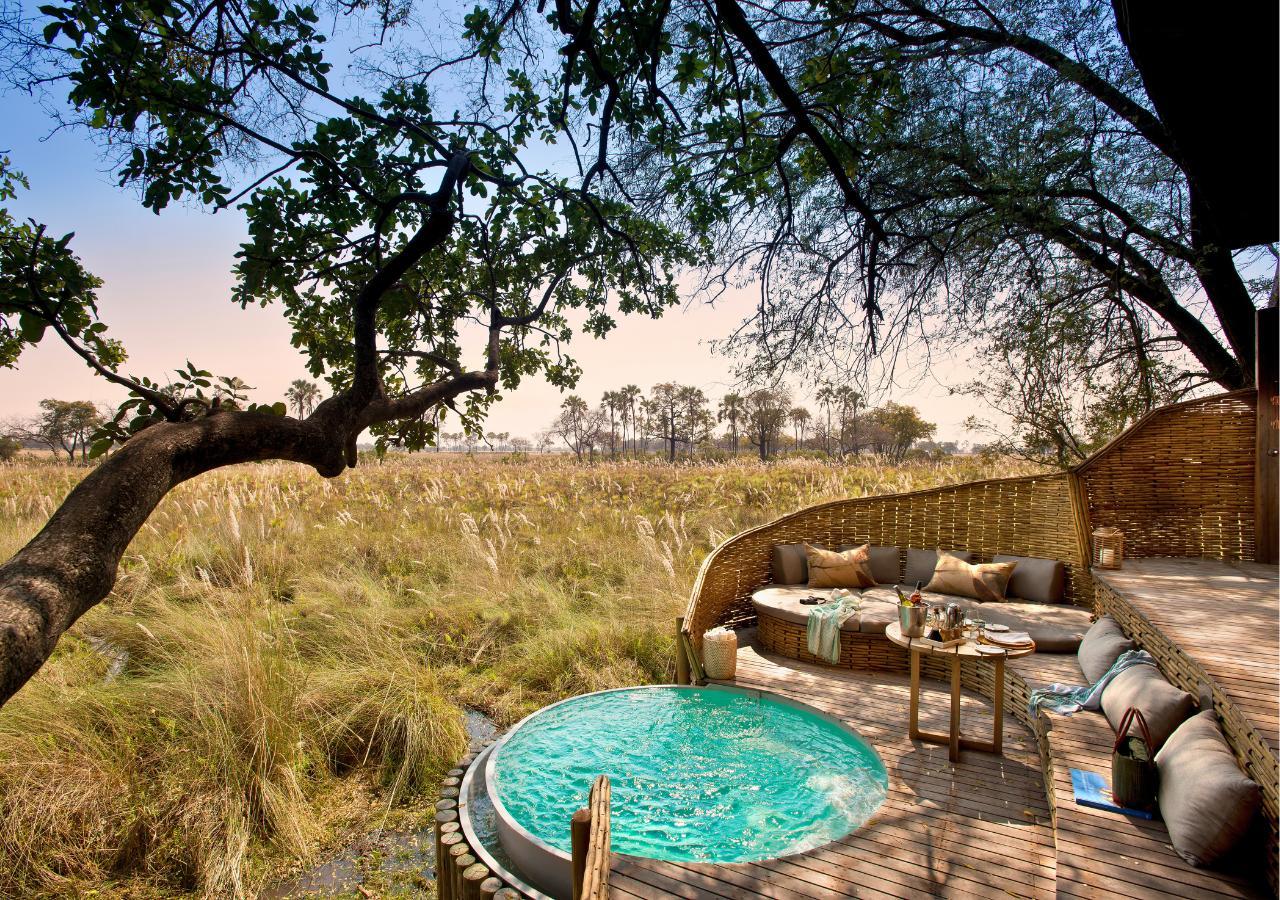
If you are combining safari with the coast, our guide to safari and beach holidays explains which destinations pair well together.
How Much Luggage Should You Bring?
It is best to pack lightly.
Most water-based safaris involve at least one light aircraft flight, especially in regions such as the Okavango Delta. These flights usually have strict luggage limits and soft-sided bags are often required.

Many camps also offer laundry service, so there is rarely a need to pack large amounts of clothing.
A soft duffel bag is usually the easiest option and makes moving between camps far simpler than travelling with a hard suitcase.
Camera Gear and Electronics
You do not need professional camera equipment to enjoy a water-based safari, but a few practical items help.
A camera with a zoom lens is useful for wildlife viewing from boats, while spare batteries, lens wipes and power banks are worth packing in more remote areas.
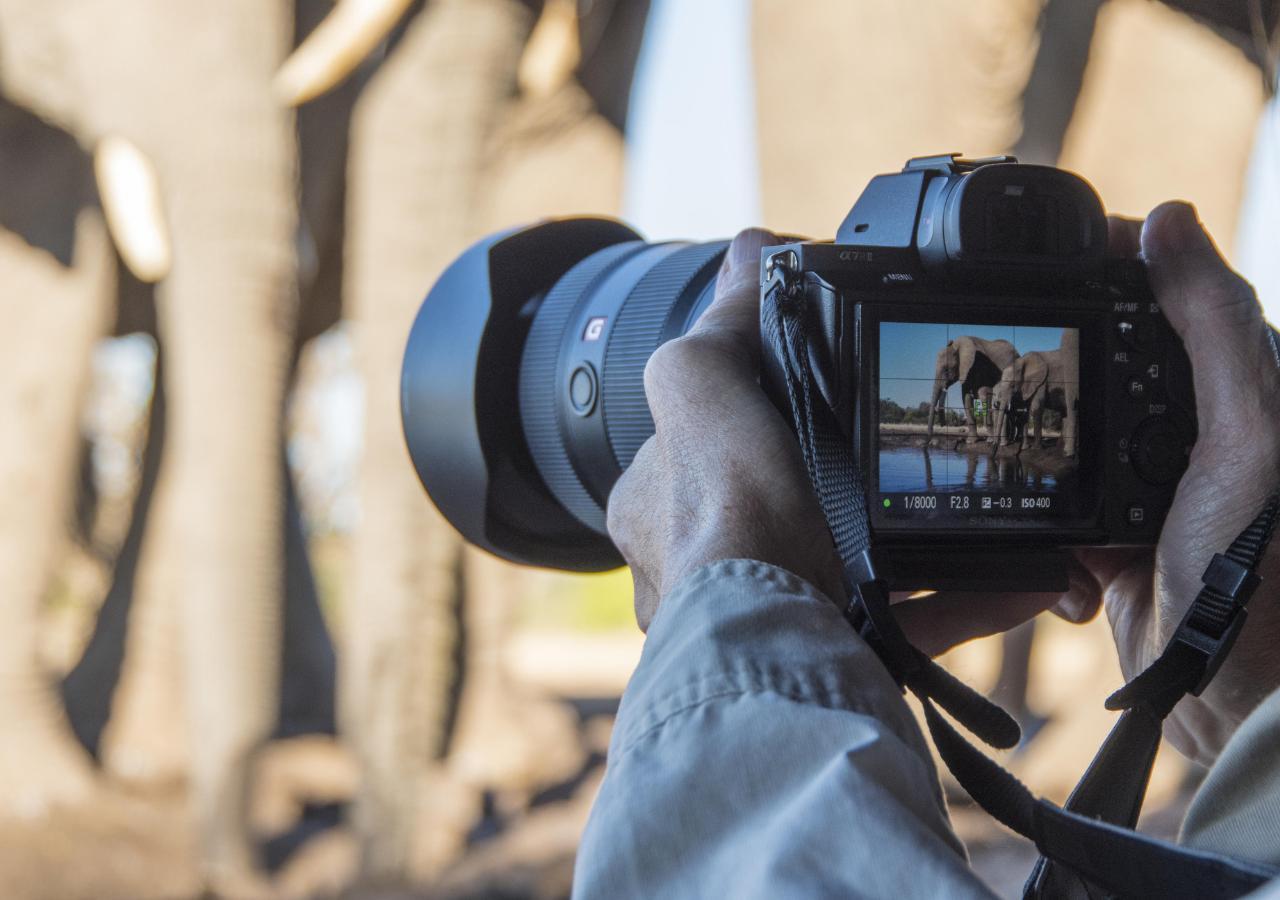
Waterproof protection for electronics is important, particularly during boat safaris or mokoro trips.
Most camps provide charging points, although power availability can vary depending on how remote the camp is.
What You Can Leave Behind
Travellers often pack far more than they need for safari.
Formal clothing is rarely necessary, even at luxury camps. Heavy jackets and multiple pairs of shoes usually end up unused. Safari camps tend to be relaxed, and comfort is far more important than dressing up.
Our View
The best approach is to pack less than you think you need.
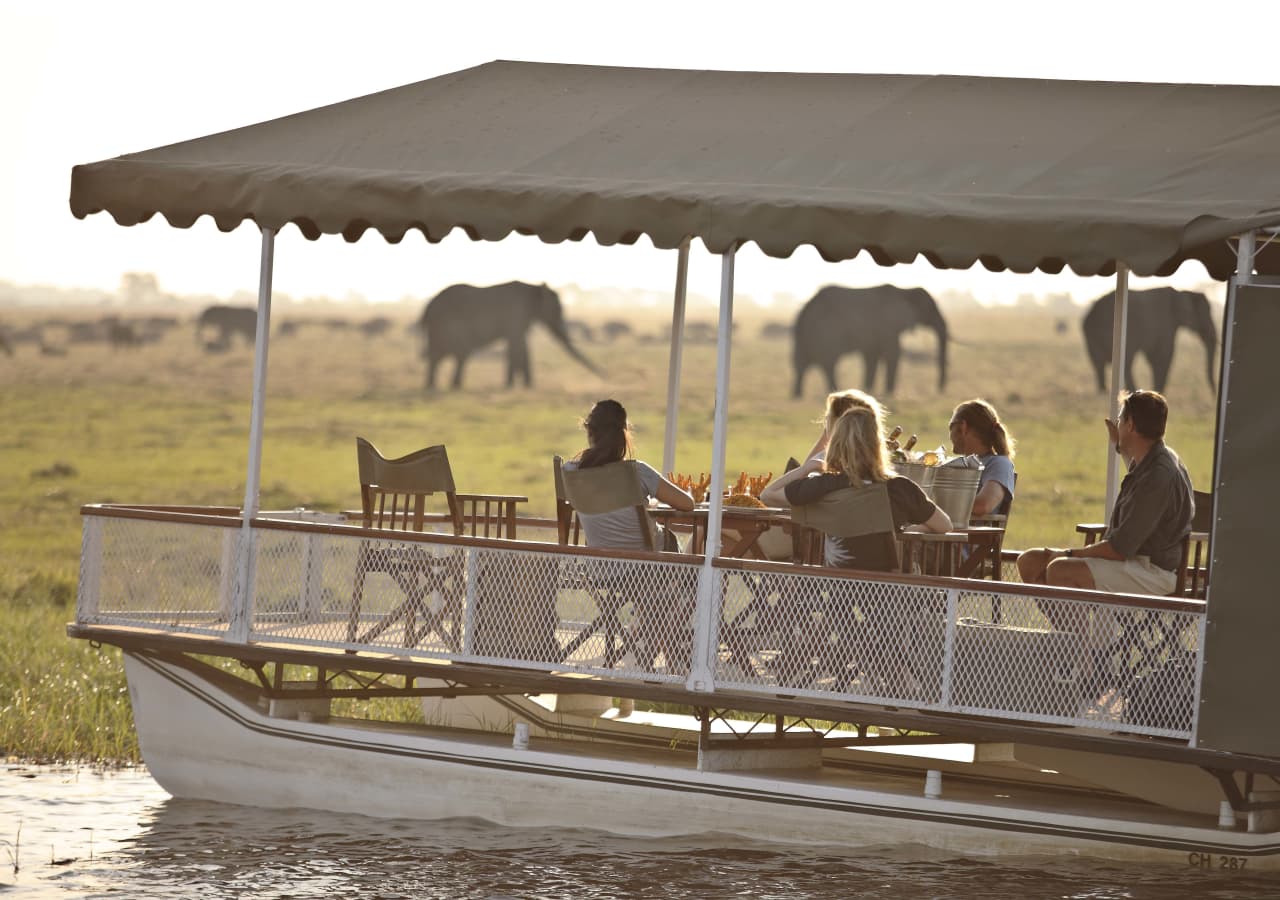
Water-based safaris are active enough that practical clothing matters, but camps are designed to make travelling easy. Lightweight layers, comfortable shoes and a few well-chosen extras will usually cover everything.
The biggest mistake is bringing too much luggage, particularly when moving between camps by light aircraft.
Why Plan a Water-Based Safari with Mahlatini?
Packing is only one part of planning a water-based safari properly.
The right camps, flight connections, activity mix and time of year all affect how the experience works day to day. Recently named among the Top 10 World’s Best Tour Operators in the Travel + Leisure World’s Best Awards, our team helps travellers build journeys that feel straightforward from the beginning.
If you are ready to start planning, get in touch with our team or explore our Trip Planner. We will help you choose the right destinations, camps and safari style for the experience you want.