+1 347-708-1755


Choosing when to travel is one of the most important decisions when planning a family safari vacation. Wildlife viewing, weather conditions, school schedules and lodge availability all shape the experience.
Many families ask when the “best” time to visit Africa is. The answer depends on where you travel, the ages of your children and the type of safari you want. Africa’s safari regions sit largely in the southern hemisphere, so seasons often run opposite to those in North America.
At Mahlatini, our Travel Experts help families match their travel dates with the destinations and safari lodges that will work best for them. Here is how we approach safari timing for family travel.
Dry Season for Reliable Wildlife Viewing
Across much of southern and East Africa, the dry season runs roughly from June through October. Vegetation becomes thinner during these months and wildlife gathers around rivers and permanent water sources. This means that animals are easier to spot, and game drives often produce consistent sightings.
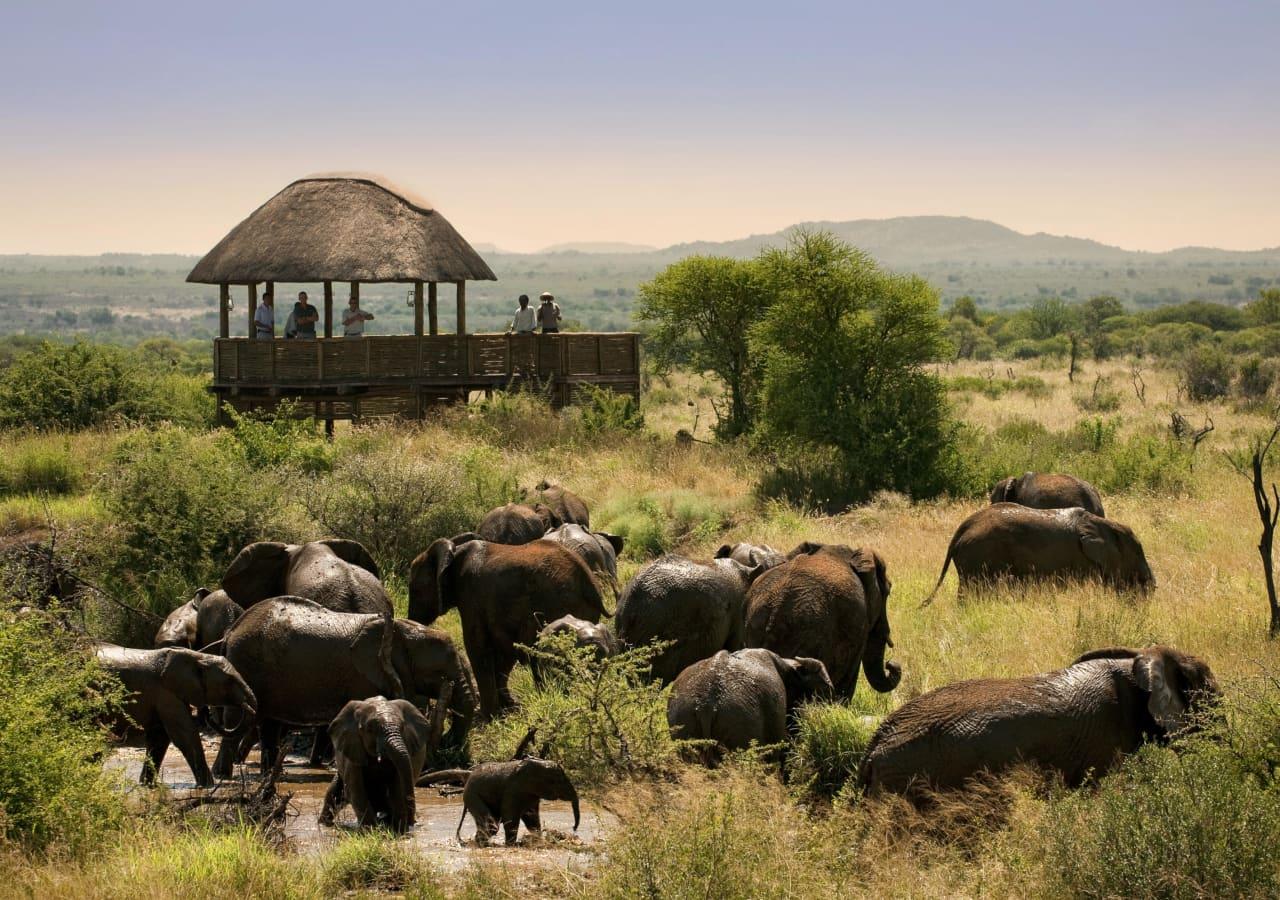
For families experiencing safari for the first time, these months are widely considered the most straightforward for wildlife viewing.
Destinations that perform particularly well during this period include:
- South Africa, especially private reserves bordering Kruger and malaria-free regions
- Botswana, where wildlife concentrates around the Okavango Delta and Linyanti waterways
- Zimbabwe, particularly Hwange National Park and Mana Pools
- Kenya, where the Maasai Mara hosts the Great Migration
Because this period overlaps with summer vacation, family-friendly safari lodges tend to book well in advance.
Green Season for Lush Landscapes and Quieter Travel
The period between November and March is often called the green season. Seasonal rains return to many safari regions and the landscape becomes beautifully lush. This greener season also means that birds are especially active and many animals give birth during this time of year.

Wildlife viewing remains good, though animals spread across wider areas as water becomes more available.
For families with flexible schedules, traveling in the the green season means that lodges are typically quieter outside peak periods, and travel conditions remain comfortable in many regions.
In Tanzania, January and February coincide with the migration calving season in the southern Serengeti plains, when large herds of wildebeest give birth.
Shoulder Seasons Offer a Good Balance
The months just before and after peak dry season often provide an appealing balance between wildlife viewing and quieter travel conditions.

May and early June mark the beginning of the dry season in many southern African destinations. Vegetation begins to thin and animals return to rivers and waterholes. Later in the year, between late October and early November, exploring parts of southern Africa before heavier rains arrive can also be great.
Families looking to avoid peak travel periods often find these shoulder months work particularly well.
Planning Around School Schedules
For many families, school calendars play the biggest role in deciding when to travel.

Summer vacation (June–August) aligns with Africa’s prime safari season, which is why destinations such as South Africa, Kenya and Botswana see strong demand from American families during these months.
Spring break, typically falling in March or April, can also work well for East African safaris depending on rainfall patterns.
Christmas and the holiday season are another popular time for family travel, particularly for multi-generational trips that combine safari with coastal destinations.
Our guide to How to Easily Plan a Family Safari with Kids explores how family travel schedules shape safari itineraries.
Best Safari Destinations by Time of Year
Different regions reach their peak at different points in the year.
South Africa
May through September often provides excellent wildlife viewing in private reserves. Malaria-free areas such as Madikwe and the Waterberg remain strong options for family travel throughout much of the year.

Kenya
July through October coincides with the Great Migration in the Maasai Mara, when large herds move across the plains.

Tanzania
June through October offers strong general wildlife viewing in the Serengeti. January and February bring the migration calving season in the southern plains.

Botswana
The Okavango Delta flood arrives between May and September, creating ideal conditions for wildlife viewing and water-based safari activities.

Zimbabwe
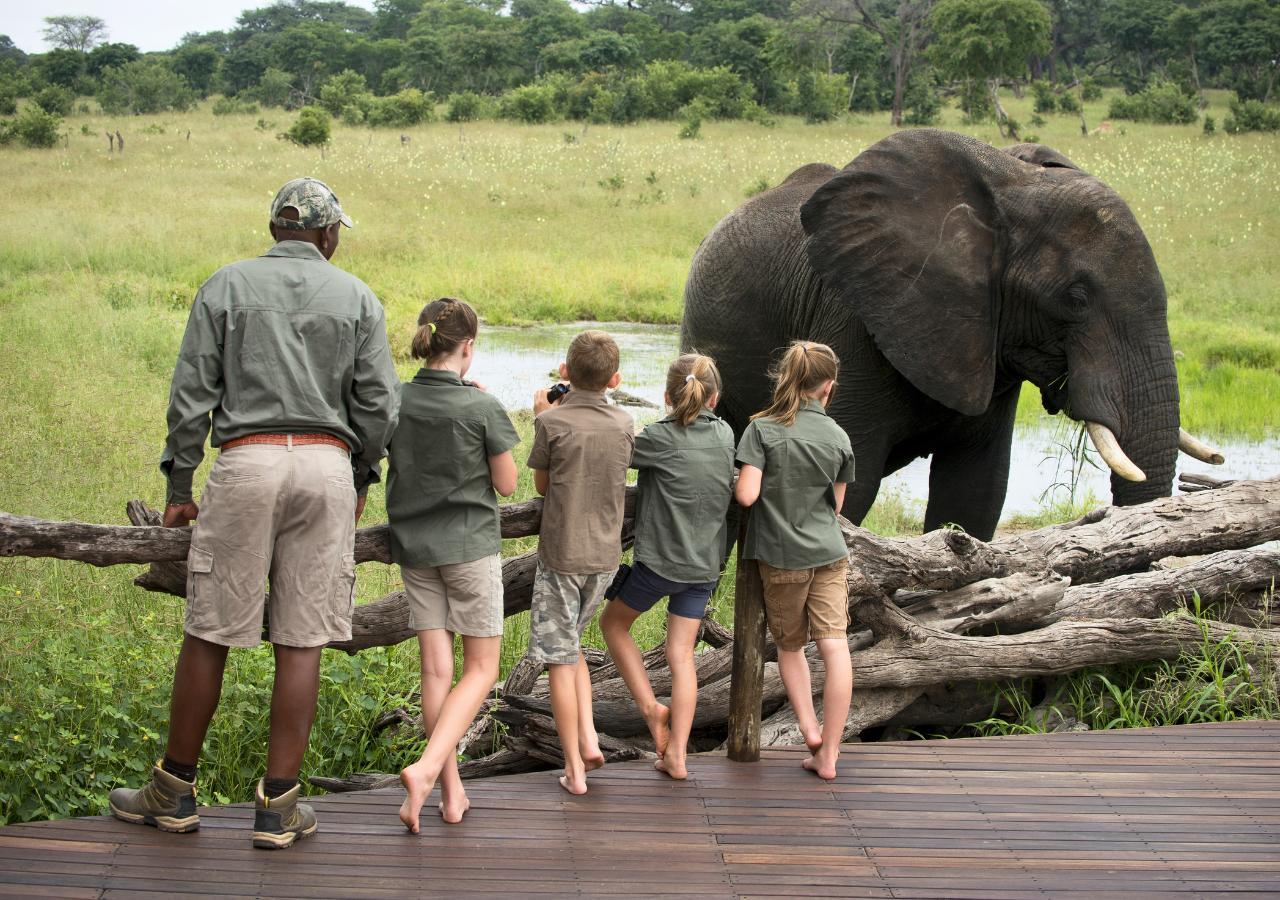
The dry months between June and October are fantastic in Hwange and Mana Pools as animals gather along rivers and waterholes.
If you are weighing destinations, our guide to How to Choose the Best Destination for a Family Safari Vacation compares how different regions work for families in far greater detail.
Timing and Your Children’s Ages
The best month to travel can also depend on your children’s ages and interests.

Families with younger children tend to enjoy destinations with shorter game drives and flexible daily schedules. Our guide to Where to Go on a Luxury Family Safari with Kids Under 6 highlights locations well suited to younger travelers.
Older children and teenagers benefit from additional activities such as walking safaris, boating excursions and conservation programs, which are particularly strong at lodges across Kenya, Botswana and Zimbabwe.
Seasonal timing can influence which activities are available, especially in water-based environments like the Okavango Delta.
Planning Your Family Safari
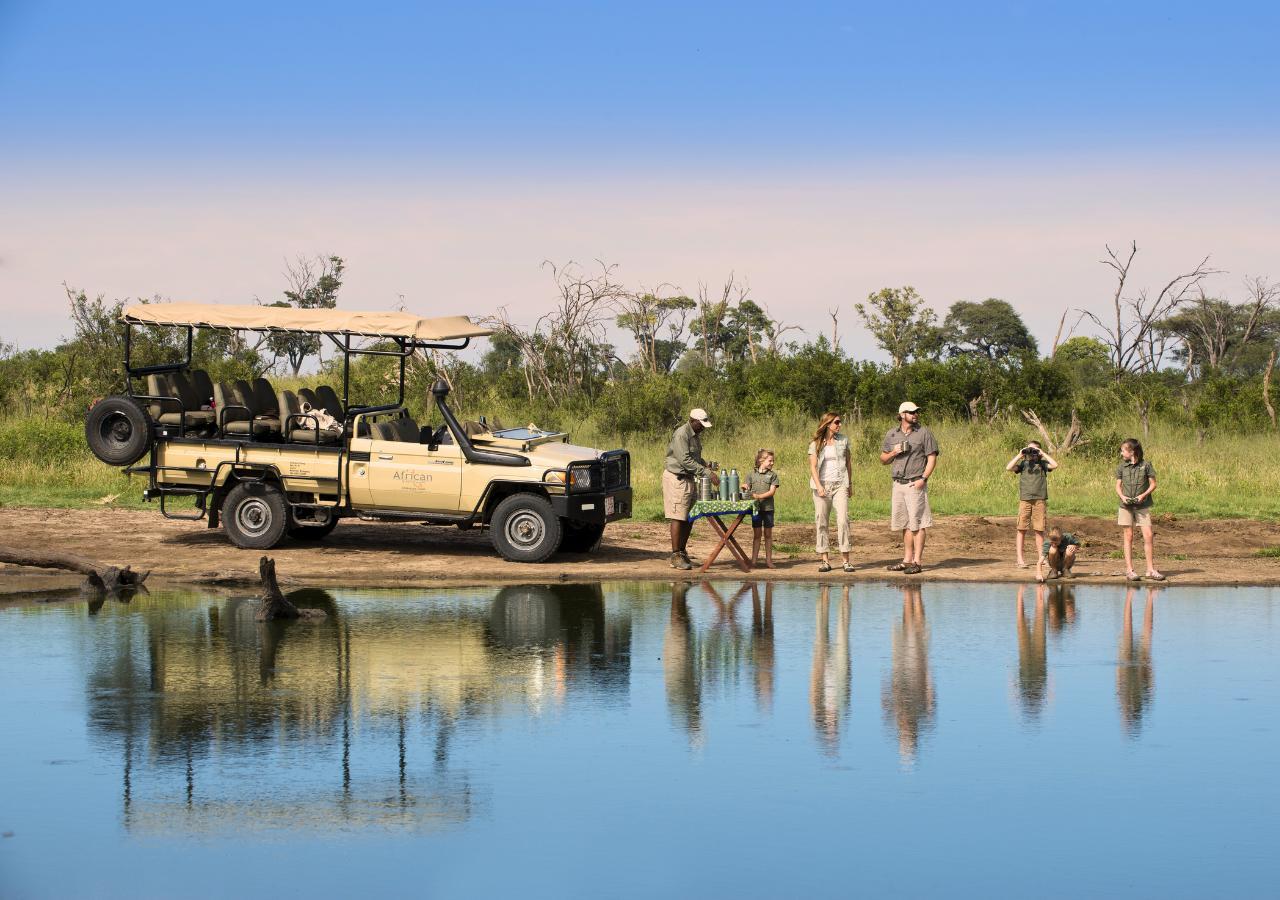
The best time for your safari depends on your ultimate destination, wildlife conditions within that country and your preferred time to travel. At Mahlatini, our Travel Experts help families plan around these factors using first-hand knowledge of seasonal conditions and lodge availability. Our recognition in Travel + Leisure’s World’s Best Awards reflects the depth of that experience and our long-standing relationships with trusted partners across Africa.
If you are considering a family safari and would like guidance on when to travel, speak to one of our Travel Experts or begin outlining your ideas through our Trip Planner.