
 +1 347-708-1755


Water-based safaris are one of the exclusive, private ways to experience the wild, but they do raise understandable questions for families.
The good news is that they are expert-led with rigorous, safety protocols. The key is understanding how they work, what the age limits are, and which type of activity suits your kids.
What is a Water-Based Safari?
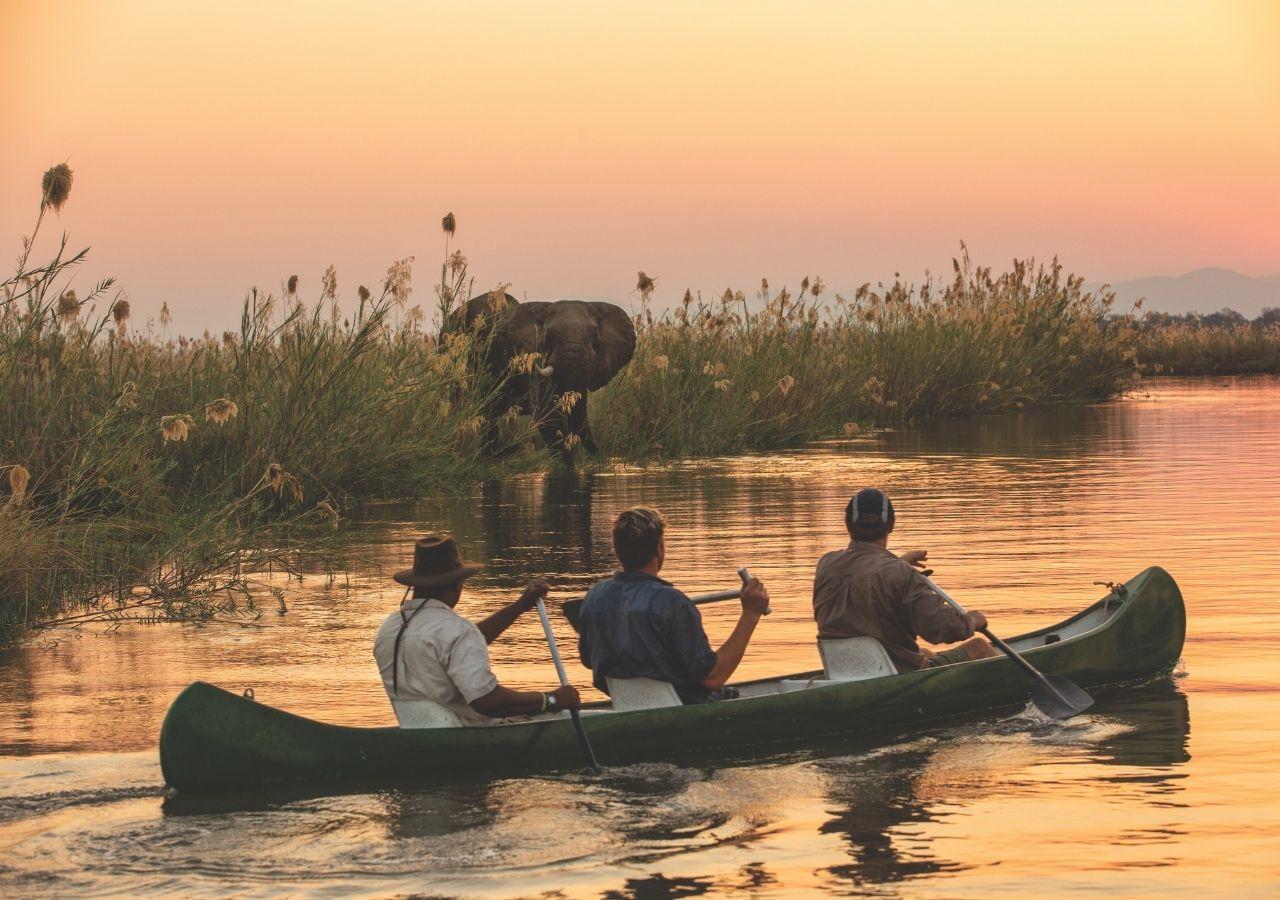
Water-based safaris take place in regions such as the Okavango Delta, the Chobe River and parts of Zambia and Zimbabwe.
They usually involve guided activities on the water, including boat safaris and mokoro excursions, as well as seasonal experiences such as fishing or exploring islands. Each activity is led by trained guides and follows clear safety procedures set by the lodge and local authorities.
A typical boat safari is calm and controlled. Boats are stable, guided by experienced professionals and operated at a pace that allows for safe wildlife viewing.
Mokoro excursions are quieter and more focused on the surrounding environment. They are guided by trained polers who understand the channels and how to navigate them safely. The emphasis is on observing wildlife rather than getting close to it.
Across both types of activity, guides will adjust plans depending on water levels, weather conditions and wildlife movement.
If you are still deciding which type of experience suits your family, it is worth understanding the difference between the various kinds of water-based safaris before you start planning.
Are Water-Based Safaris Safe for Families?
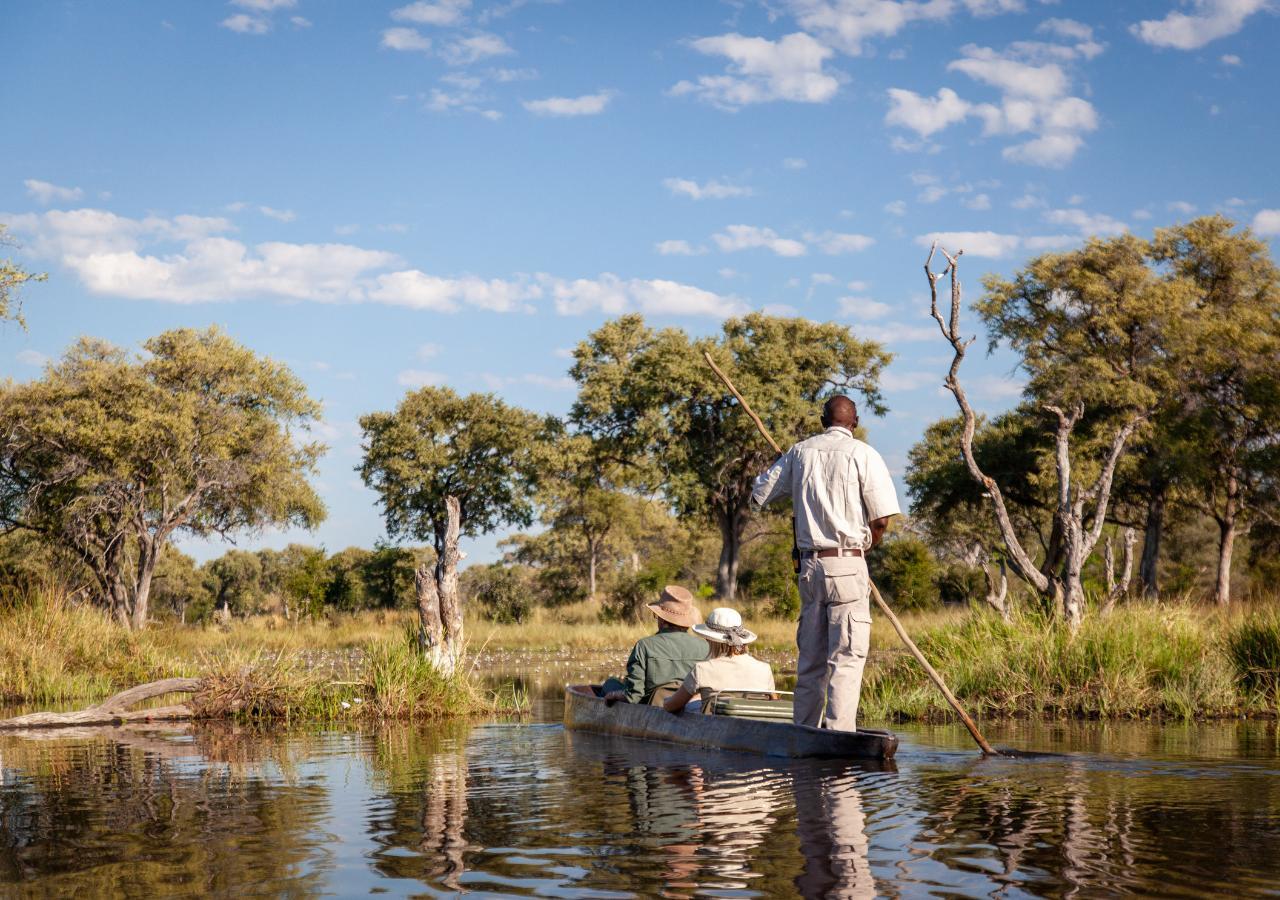
In most cases, yes. Lodges take a careful and structured approach, especially when kids are involved. Safety on water-based safaris is consistent across the camps we work with. Before each activity there are clear briefings, activities are guided at all times, equipment is regularly checked, and routes are chosen with conditions and wildlife movement in mind. Life jackets are provided where required, and guides maintain a safe distance from animals at all times.
In areas such as the Okavango Delta, safety standards are also shaped by conservation and tourism frameworks. This highlights the importance of protecting both visitors and the ecosystem, which underpins how activities are managed across the region.
A water-based safari does feel different from a vehicle-based safari. You are closer to the environment, and there is less separation from wildlife. For families, the main consideration is whether your kids are comfortable sitting still and following instructions from the guide.
Water-based safaris are often best included as part of a wider itinerary rather than forming the entire safari. Combining them with game drives gives a more balanced experience and allows for a change in pace. This is why many families include water-based activities alongside a more traditional safari, especially on a first trip.
Age Limits and What They Mean in Practice
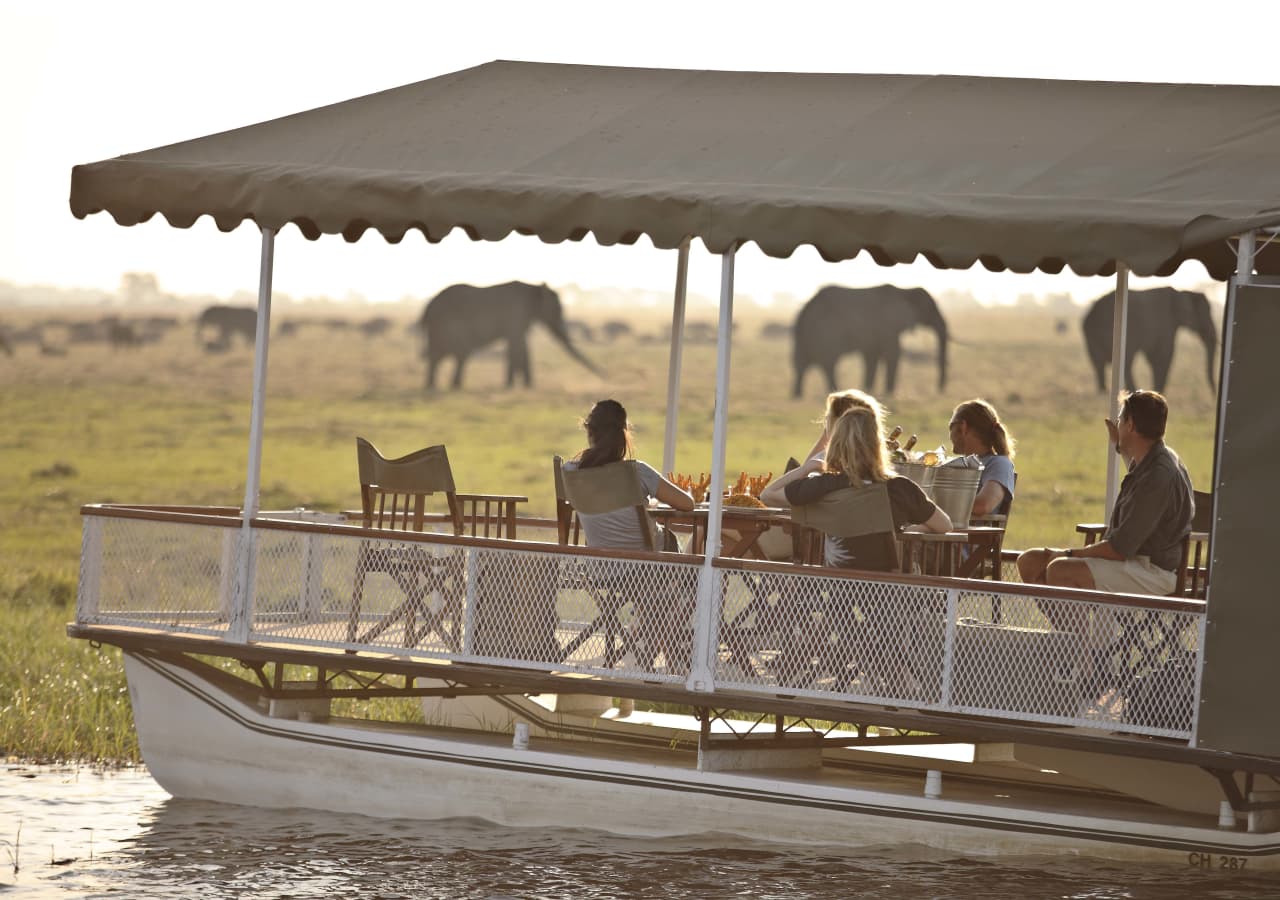
Age limits vary depending on both the activity and the lodge.
Boat safaris are usually the most accessible option and can often accommodate younger children, depending on the setup. Mokoro excursions tend to have higher age limits, as they are slower, closer to the water and require a quieter approach. Activities that involve stepping out onto islands or combining walking elements are generally reserved for older children.
Some lodges also require families with younger children to use a private boat. This allows the guide to adjust the pace and duration of the activity more easily.
If you are traveling as a family, this is where planning becomes important. Our guide on how to plan a family safari in seven steps explains how to balance different types of activity across a trip so it works for everyone.
Choosing the Right Destination

Not all water-based safari areas are the same. The Okavango Delta offers the widest mix of activities, including both boat safaris and mokoro excursions. The Chobe River is more structured and often easier to include with younger families. Zambia and Zimbabwe tend to be more activity-led and are usually better suited to older children.
Understanding these differences makes it easier to choose the right combination. If you are comparing options, our guide on where to go on a water-based safari will help you see how each destination fits into a wider itinerary.
When to Consider Alternatives

For some families, a land-based safari is a better starting point.
This is often the case if children are very young or prefer more movement and flexibility throughout the day. A destination such as South Africa is often easier to manage in those early stages, before introducing more specialized experiences later on.
Walking safaris can also be part of that progression, but they usually come with higher age limits. If you are considering this, it is worth looking at how walking safaris work and when they can be included in a family trip.
Why Plan a Water-Based Safari with Mahlatini?
Water-based safaris can work very well for families, but they need to be planned with the right expectations.
The focus should be on choosing the right lodge, understanding how the activities are structured and building the trip around your kids rather than trying to fit everything in.
Recently named among the Top 10 World’s Best Tour Operators in the Travel + Leisure World’s Best Awards 2025, our team focuses on building trips that are well planned and easy to navigate from start to finish.
If you are ready to start planning, explore our Trip Planner or consult with our specialists to curate your private family vacation. We will help you decide what works best and build a trip that suits the way your family travels.


