+1 347-708-1755


On the 8th May 2026, Sir David Attenborough celebrates his 100th birthday. Few individuals have shaped the world’s understanding of wildlife and the natural world as profoundly as he has.
For more than seven decades, his TV programs have brought faraway lands into homes across the world. Scenes from the Serengeti plains, the Okavango Delta, Sri Lanka and Nepal have helped audiences understand ecosystems that many had never previously seen. For many travelers today, those documentaries were the first introduction to safari and wildlife travel.
As Mahlatini approaches its own milestone anniversary of 25 years in 2027, it feels fitting to reflect on some of the landscapes that helped define Attenborough’s storytelling and that travelers can still experience today.
Memorable Moments
The Mountain Gorilla Encounter
Virunga Mountains, Rwanda
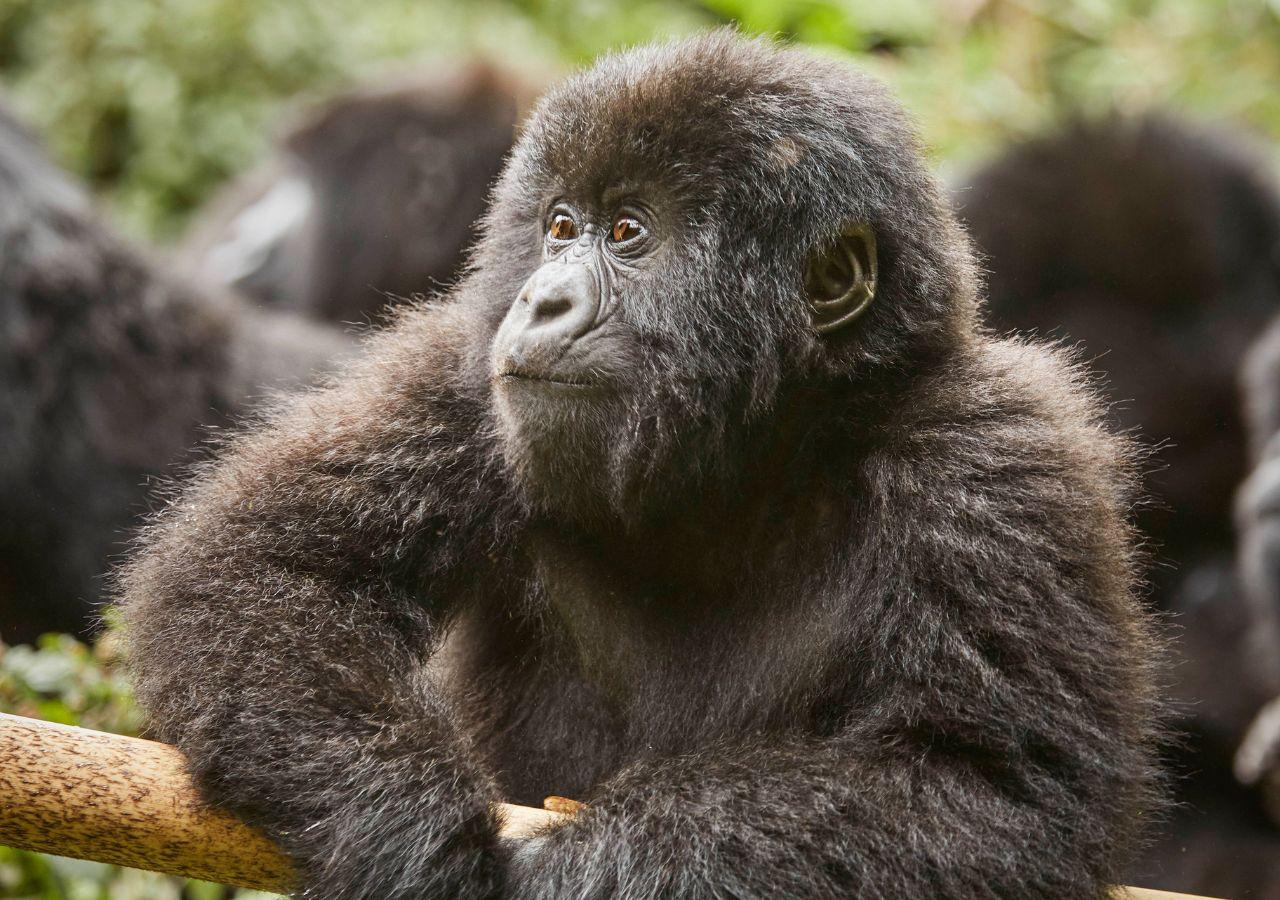
One of the most iconic moments in natural history television came during the filming of Life on Earth. While observing mountain gorillas in Rwanda’s Virunga Mountains, a mischievous young gorilla, Poppy, approached Attenborough and began tugging gently at his shoelaces.
The scene captured Attenborough sitting quietly while several gorillas examined him with curiosity. It became one of the defining sequences in wildlife broadcasting.
Reflecting on that encounter, Attenborough later said: “There is more meaning and mutual understanding in exchanging a glance with a gorilla than any other animal I know.”
The sequence introduced millions of viewers to mountain gorillas and the fragile forest ecosystems they inhabit.
For more insight, Netflix’s A Gorilla Story: Told by David Attenborough, which premieres on 17 April 2026, is a welcome spotlight on one of Africa’s most important conservation stories. The documentary explores Attenborough’s first encounter with a young gorilla called Pablo and follows his descendants in Rwanda today, bringing mountain gorilla conservation to a new global audience. We expect it to broaden the profile of the traveler interested in gorilla trekking, attracting not only traditional safari guests but also more first-time, conservation-minded and documentary-inspired visitors. That is a positive development, provided growth continues to sit within the region’s existing low-density, high-value tourism model. Gorilla permits in Rwanda and Uganda are already tightly controlled, and that structure is exactly what helps protect against over-tourism while ensuring tourism revenue continues to support conservation and local communities.
Watch it here: David Attenborough Plays With Cute Baby Gorillas
Experience it for yourself: Authentic Rwanda Gorilla Trekking Vacation
The Great Wildebeest Migration
Maasai Mara, Kenya and Serengeti, Tanzania
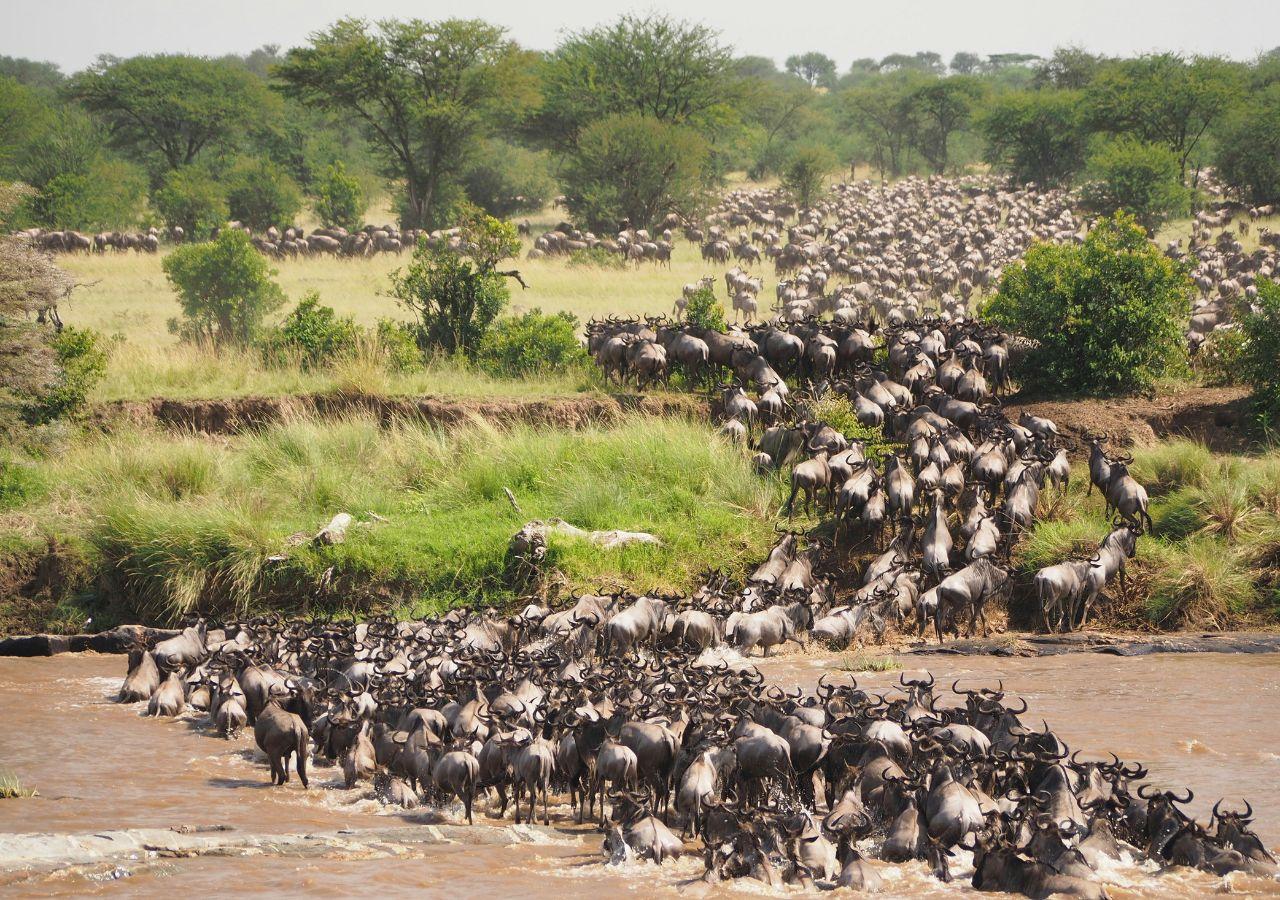
Few wildlife spectacles appear as frequently in Attenborough’s documentaries as the Great Migration across the Serengeti ecosystem.
Each year more than a million wildebeest and hundreds of thousands of zebra move across the plains of northern Tanzania and Kenya in search of fresh grazing. Their movement shapes the entire ecosystem, drawing predators and scavengers across the savanna.
Attenborough once reflected on the extraordinary diversity of life on Earth: “There are some four million different kinds of animals and plants in the world—four million different solutions to the problems of staying alive.” The Serengeti provides one of the clearest demonstrations of that diversity and survival instinct in motion.
Travelers visiting the Serengeti or Kenya’s Maasai Mara can witness different stages of the migration throughout the year, from calving season on the southern plains to dramatic river crossings further north, one of the most requested safari experiences our Travel Experts help guests plan. To learn more about witnessing the greatest show of earth for yourself, explore our page about the Great Migration.
Watch it here: David Attenborough’s Animals of Africa Migration
Experience it for yourself: Migration and Ngorongoro Crater Luxury Safari
Elephants of the Okavango Delta
Okavango Delta, Botswana
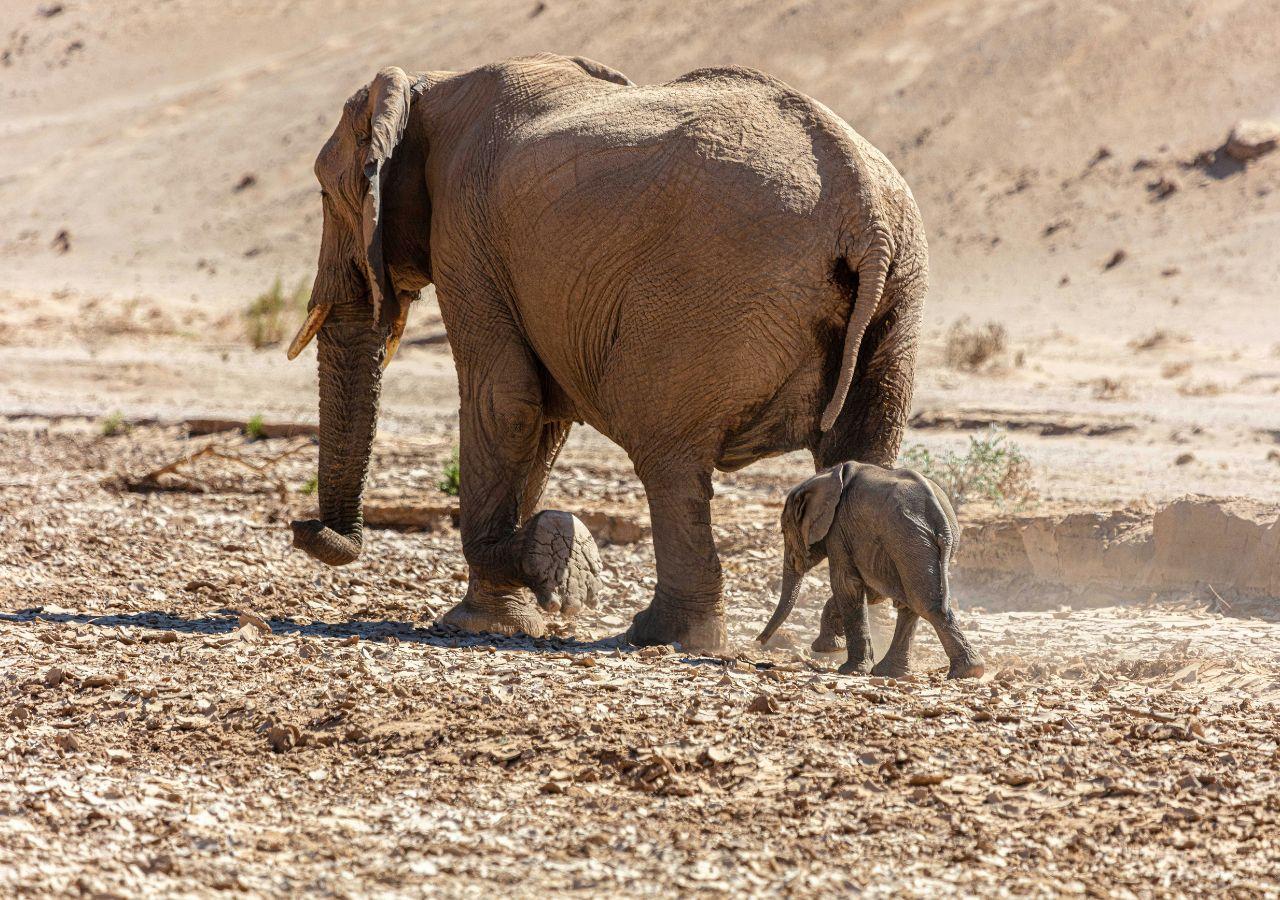
Attenborough’s documentaries often return to the role water plays in shaping wildlife behavior. In Planet Earth, his narration explains how survival in African ecosystems frequently depends on access to water.
One sequence shows African elephants moving across the Kalahari Desert in search of water. These journeys reflect the way wildlife across southern Africa responds to seasonal conditions and shifting resources.
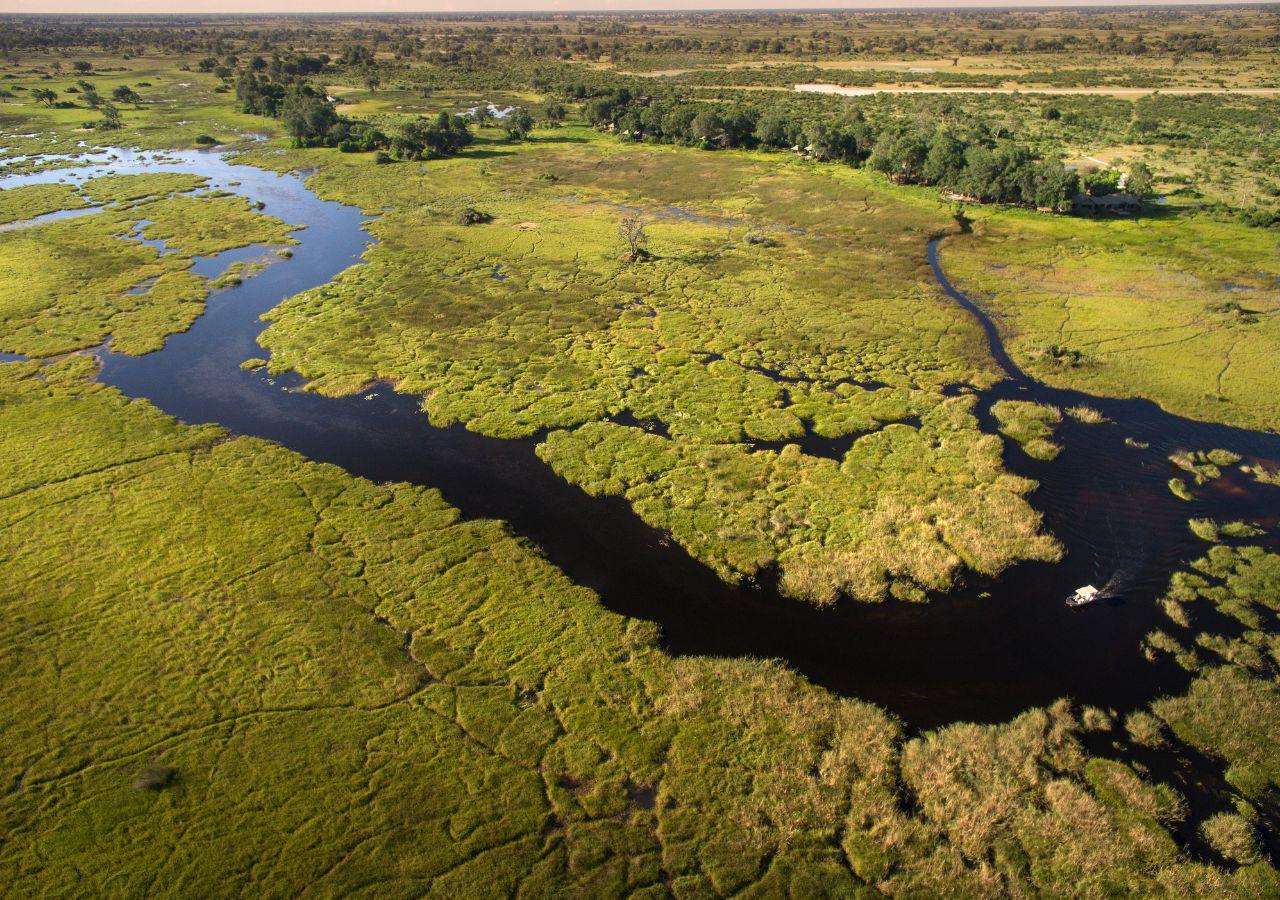
Each year floodwaters flow from Angola into northern Botswana, spreading across the Kalahari sands and forming the Okavango Delta, an inland system of channels, lagoons and islands. The landscape supports one of Africa’s largest elephant populations and provides a vital refuge for wildlife during the dry season.
Watching elephants move between woodland islands or wade through shallow channels offers the kind of encounter that has fascinated naturalists and wildlife filmmakers for decades.
Elephants have long been at the centre of conservation efforts across Africa. Mahlatini proudly supports organisations such as the Sheldrick Wildlife Trust, which rescues and rehabilitates orphaned elephants before returning them to protected environments in Kenya.
Encounters with elephants in the wild often leave a lasting impression on travellers and reinforce the importance of protecting the landscapes they depend on.
Watch it here: Desert Elephants on Planet Earth 2006
Experience it for yourself: Desert and Delta Adventure
The Dynasty of the Painted Wolf
Mana Pools National Park, Zimbabwe
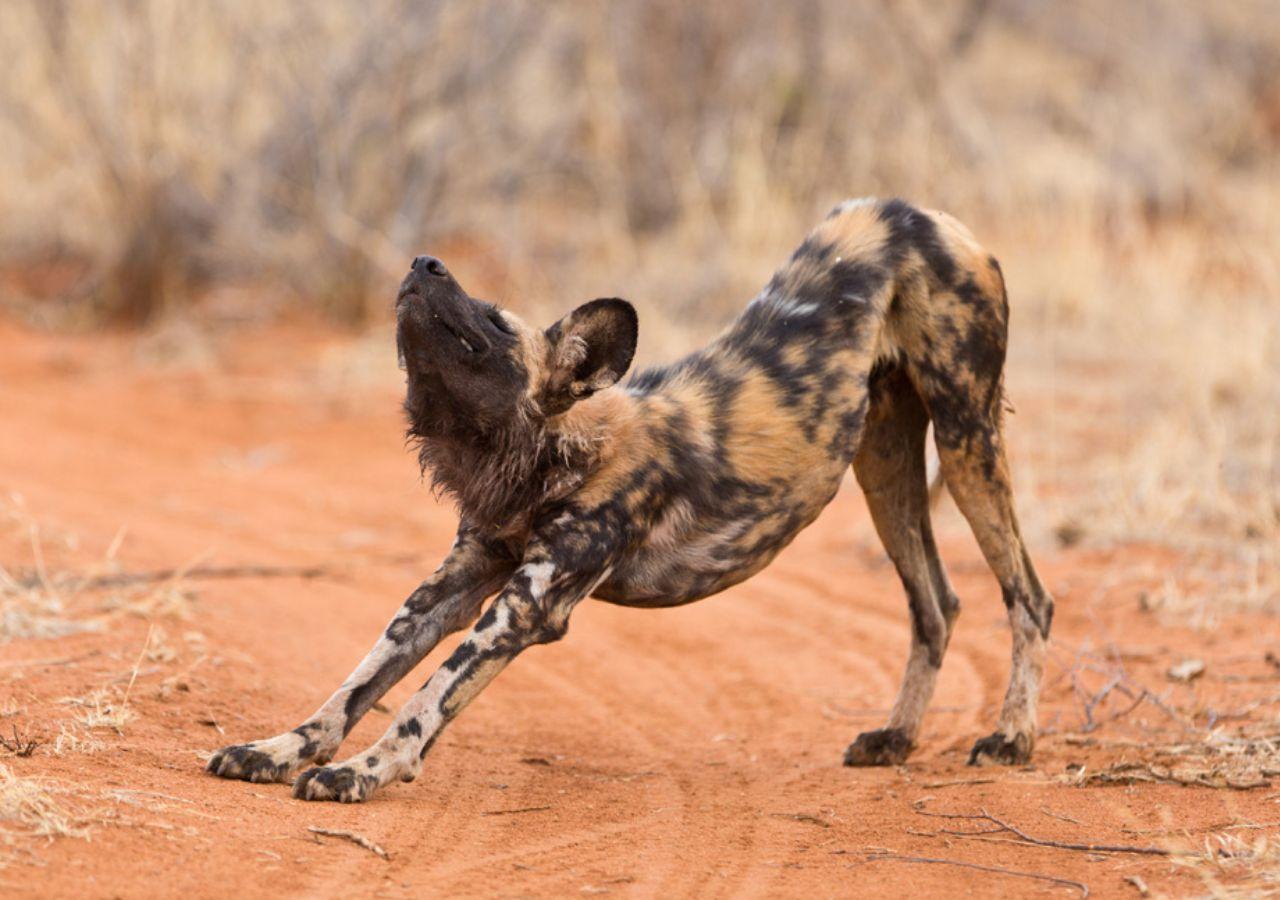
African wild dogs, otherwise referred to as painted dogs or wolves have featured in several Attenborough documentaries, particularly in sequences showing their remarkable coordination during hunts. Few predators operate with the same level of cooperation. Packs communicate constantly through vocalisations and body language as they track prey across the savanna.
In Dynasties, he follows Tait, an ageing painted wolf matriarch in Zimbabwe’s Mana Pools. After being driven from her territory by her own daughter, she leads her pack into increasingly difficult terrain, keeping them together despite pressure from lions and dwindling food sources.
In the final moments of the episode, Tait is no longer able to keep up. As lions close in, her mate refuses to leave her behind. He stays with her, and they die together.
It is a stark reminder of how closely these animals operate as a pack, and why they have become one of the most compelling species in African wildlife storytelling.
Today, southern Africa remains one of their strongest refuges. Areas such as South Africa’s Kruger National Park, Botswana’s Okavango Delta and Zimbabwe’s Mana Pools continue to support healthy populations thanks to carefully protected ecosystems. Encounters with wild dogs are never predictable, which is part of what makes them so memorable for safari travelers.
Watch it here: Dynasties (BBC), Series 1, Episode 4 – “Painted Wolf”
Experience it for yourself: Highlights of Zimbabwe Vacation
Dynasties: Tiger
Bandhavgarh National Park, India

Tigers have long been among the most iconic subjects in Attenborough’s storytelling, representing both power and fragility within Asia’s remaining wild landscapes. Solitary by nature, their lives are defined by territory, patience and the constant challenge of survival in increasingly fragmented habitats.
In Dynasties, the focus turns to Raj Bhera, a tigress raising her cubs in India’s Bandhavgarh National Park. Her territory, once secure, begins to shrink under pressure from rival females. As conflict intensifies, her ability to hunt and protect her cubs is pushed to its limits.
The episode follows her through mounting challenges, from defending her range to providing enough food for her young. When rival tigresses encroach further, the balance shifts. One by one, her cubs are lost, and her hold on the territory weakens.
It is a clear portrayal of how precarious life can be for even the most formidable predators, where strength alone is not always enough to secure the next generation.
India remains one of the last strongholds for wild tigers, with reserves such as Bandhavgarh, Kanha and Ranthambore playing a critical role in their conservation. Sightings are never guaranteed, but the possibility of encountering a tiger in these forests remains one of the most compelling experiences in wildlife travel.
Watch it here: Dynasties (BBC), Series 1, “Tiger”
Experience it for yourself: India’s Wildlife Treasures
A Legacy That Continues to Inspire Travel
Across more than seventy years of broadcasting, David Attenborough has helped audiences see wildlife in a way few storytellers ever have. The landscapes that appear in his documentaries remain among the most remarkable places on Earth. For many travellers, visiting these places offers a deeper understanding of the natural world that Attenborough has spent a lifetime sharing.
Mahlatini’s recognition in the Travel + Leisure World’s Best Awards reflects the care taken in designing journeys to these destinations while supporting conservation and responsible tourism.
As Sir David Attenborough marks his 100th year, his work continues to inspire curiosity about wildlife and a deeper appreciation for the planet’s most extraordinary ecosystems.
If you would like to explore one of the destinations that helped define a century of wildlife storytelling, speak to one of our Travel Experts or begin outlining your ideas through our Trip Planner.