+1 347-708-1755


A family safari is often a once-in-a-lifetime trip, especially for families traveling from the United States. When it is planned well, it feels effortless. When it is not, long flights and ambitious routing can quickly take their toll.
We're thrilled to be a Best Tour Operator at the esteemed Condé Nast Traveller Readers' Choice Awards. This recognition is a huge honor and testament to our continued commitment to providing exceptional service and expert knowledge to families, planning tailormade journeys full of moments that will become memories in the years to come.
The goal is simple: choose destinations that suit your children’s ages, design a pace that allows everyone to settle in, and stay in places where family hosting feels intuitive rather than restrictive.
When should you start planning a family safari?

For most families, planning early creates flexibility. It allows us to secure the right room configurations, private vehicles, and flight routings, especially if you are traveling during school breaks.
Early planning also makes it easier to design a trip that balances safari with a second experience, which many families find essential after long-haul travel. A beach or city stay at the end of the journey often helps everyone return home feeling rested rather than rushed.
Step 1: Choose the right destination for your children

The best destination is not only about wildlife. It is about how manageable the journey feels once you arrive.
Key questions to consider:
- Are your children confident long-haul travelers?
- Would a malaria-free destination offer greater peace of mind?
- Do you want safari only, or safari combined with beach or city time?
- How much internal travel will feel comfortable after an international flight?
We work across a range of family-friendly safari destinations, from malaria-free reserves in South Africa to classic regions such as the Serengeti and Maasai Mara. The right choice depends on your family’s confidence, energy levels, and expectations.
Step 2: Decide how long your safari should be
Families often enjoy safari most once they have had time to settle into camp life. Children build trust with their guide, learn the rhythm of game drives, and begin to recognize animals and patterns on their own.
For families traveling from the US, we often recommend:
- Staying longer in fewer places
- Avoiding one-night stops
- Adding a second destination only when it improves the flow of the trip
As a general guide, combining safari with a beach or city stay works particularly well for trips of ten nights or more.
Step 3: Build a pace that works for your children

A seamless safari is rarely the most packed one. It is the one that allows flexibility.
What typically works best for families:
- Shorter, adaptable game drives for younger children
- Private vehicles so you can adjust timing and return early if needed
- Lodges with space to relax between activities
Private guiding is especially valuable for families traveling from the US, as it allows the experience to adapt naturally to jet lag and energy levels.
Step 4: Plan health and malaria considerations with confidence
This is often the most detailed conversation we have with families, and it is worth addressing early.
If you are traveling to a malaria area, practical prevention measures such as appropriate insect repellent, evening coverage, and guidance from a travel clinic are important. Many families consult their pediatrician or a travel health specialist well ahead of departure.
If minimizing malaria risk is a priority, we often recommend malaria-free safari regions in South Africa, which can be especially reassuring for families with younger children.
Step 5: Pack properly, without overpacking

Packing for a family safari does not need to feel overwhelming. Comfort matters more than quantity.
We encourage families to focus on:
- Breathable layers for changing temperatures
- A warm jacket for early mornings
- Closed-toe shoes
- Sun protection
- A small pair of binoculars for each child
- A notebook or sketchbook for quiet moments
Take a look at our dedicated packing guide for children to prepare for different climates and lodge styles without bringing more than you need.
Step 6: Handle travel documents early
Family travel can involve additional documentation, particularly when transiting through certain countries or traveling with minors.
Rather than navigating this alone, we guide families through passport validity, visa requirements, and any consent documentation well in advance, so there are no surprises closer to departure.
Step 7: Add one “soft landing” to the itinerary
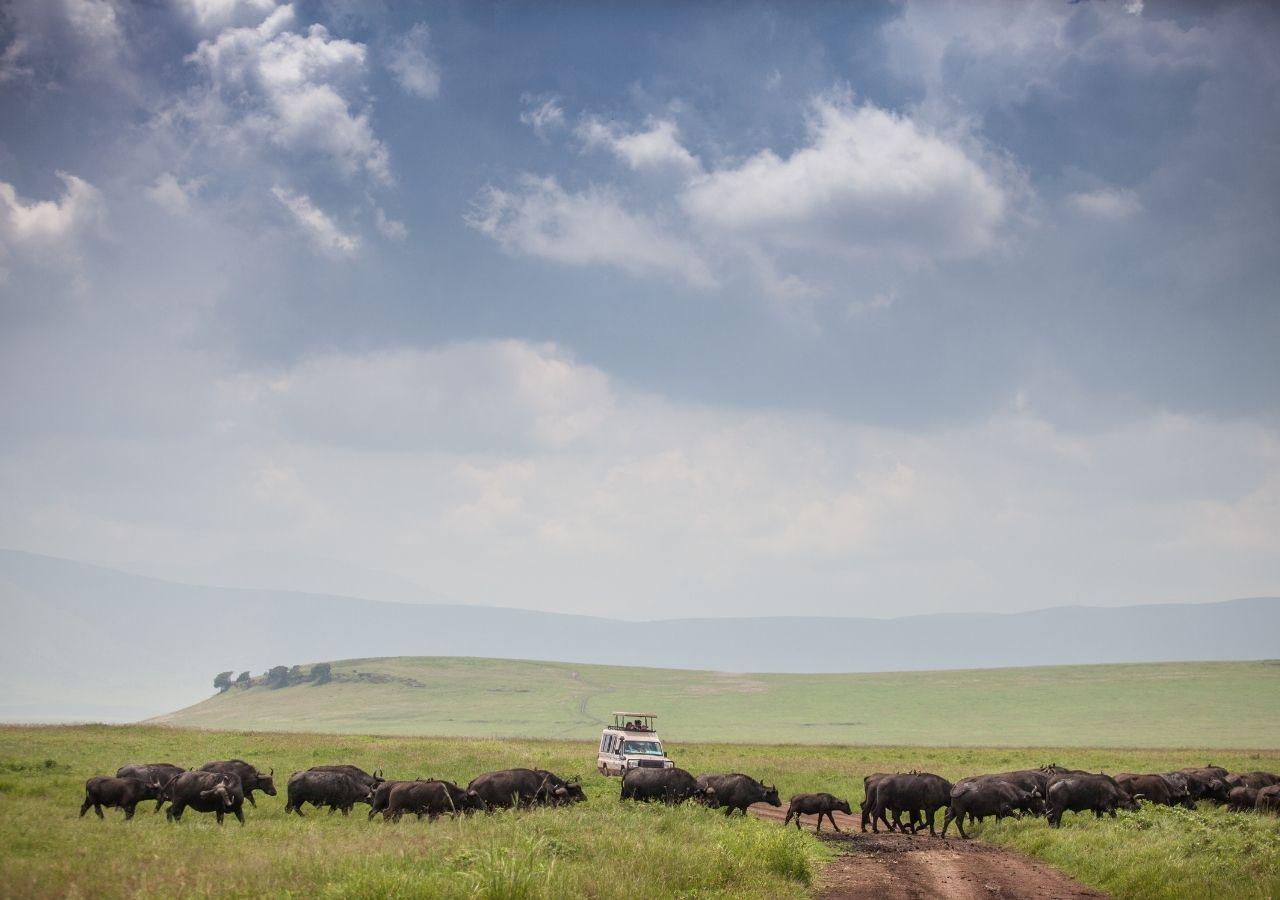
Many families love the intensity of safari, then benefit from a slower final chapter. Ending the trip with a beach stay, a city stay, or even a second safari region often helps children decompress and allows the journey to unfold at a comfortable pace.
This approach is especially popular with US families after long international flights.
Step 8: Let expert planning make the journey feel easy
This is where planning becomes seamless. The right Travel Expert will:
- Recommend destinations that suit your dates and your children’s ages
- Match you to family-friendly room layouts and hosting styles
- Build a route that balances wildlife, rest, and variety
- Help manage the details that are harder to assess online
Every journey we design is fully personalized. Our itineraries are there for inspiration, but the final experience is shaped around your family.
Start planning your family safari

Explore our family safari itineraries for inspiration, but remember that no two families travel the same way. When you are ready, our Trip Planner will match you with a dedicated Travel Expert who can design a safari that feels thoughtful, comfortable, and genuinely memorable for your family.