
 +1 347-708-1755


A family safari works best when children feel genuinely involved rather than entertained. The moments that resonate most tend to be hands-on and quietly surprising. They spark curiosity, build confidence, and help children connect with the natural world in a way that feels tangible and real.
Below are five safari activities that children consistently love, along with expert guidance to help you shape a journey that feels rewarding for the entire family.
What safari activities do kids enjoy most on safari?
Most children love activities that feel practical and interactive. These five tend to land well across a wide range of ages, and can be adapted depending on the destination and lodge.
1. Tracking with expert guides

Tracking turns a game drive into an action-packed adventure. Children quickly start noticing patterns: a fresh set of paw prints, broken branches, animal droppings, the direction of birds calling overhead. The best guides translate this into something children can follow, without simplifying the experience.
For families who want a deeper tracking-led safari, look for places known for exceptional tracking teams. In Greater Kruger, for example, Masiyas Camp at Royal Malewane has amazing guiding and Master Trackers.
Expert tip: Ask for a private vehicle if possible. It gives children time to ask questions and stop for “small” sightings without feeling rushed.
2. Stargazing and sleeping under the stars

Safari days are exciting, but it is often the night sky that children remember most. Away from city lights, the stars feel close and intensely clear. Some lodges offer guided stargazing, while others create simple rituals like hot chocolate by the fire and a constellation lesson before bed.
If you want to make stargazing a true highlight, consider an experience designed around it, such as Loisaba Star Beds in Kenya, which is built around sleeping out under the sky. Another way to stargaze is by planning a dedicated treehouse sleepout experience which kids always love. For the clearest skies, aim for drier months and avoid a bright full moon when possible.
Expert tip: If your children are light sleepers, ask whether the lodge can offer stargazing without a full sleepout.
3. Conservation experiences that feel meaningful

Children respond well to conservation when it feels real and specific. Not in the abstract, but in the “this is what we do to protect wildlife here” sense. Depending on the destination and lodge, this can range from learning about anti-poaching initiatives to participating in conservation education activities.
If your child is a rhino lover, some reserves offer rhino-focused conservation experiences such as Madikwe’s rhino tracking and conservation experiences, which can be a powerful combination for older children who want to understand the “why” behind what they’re seeing.
In some reserves, families may be able to learn about conservation initiatives such as rhino notching. When appropriate and carefully managed, this monitored procedure helps protect rhino populations through identification, DNA sampling, and tracking.
Expert tip: Choose one conservation experience and let it land. Too much detail can feel heavy for younger children.
4. Canoeing and water-based safaris
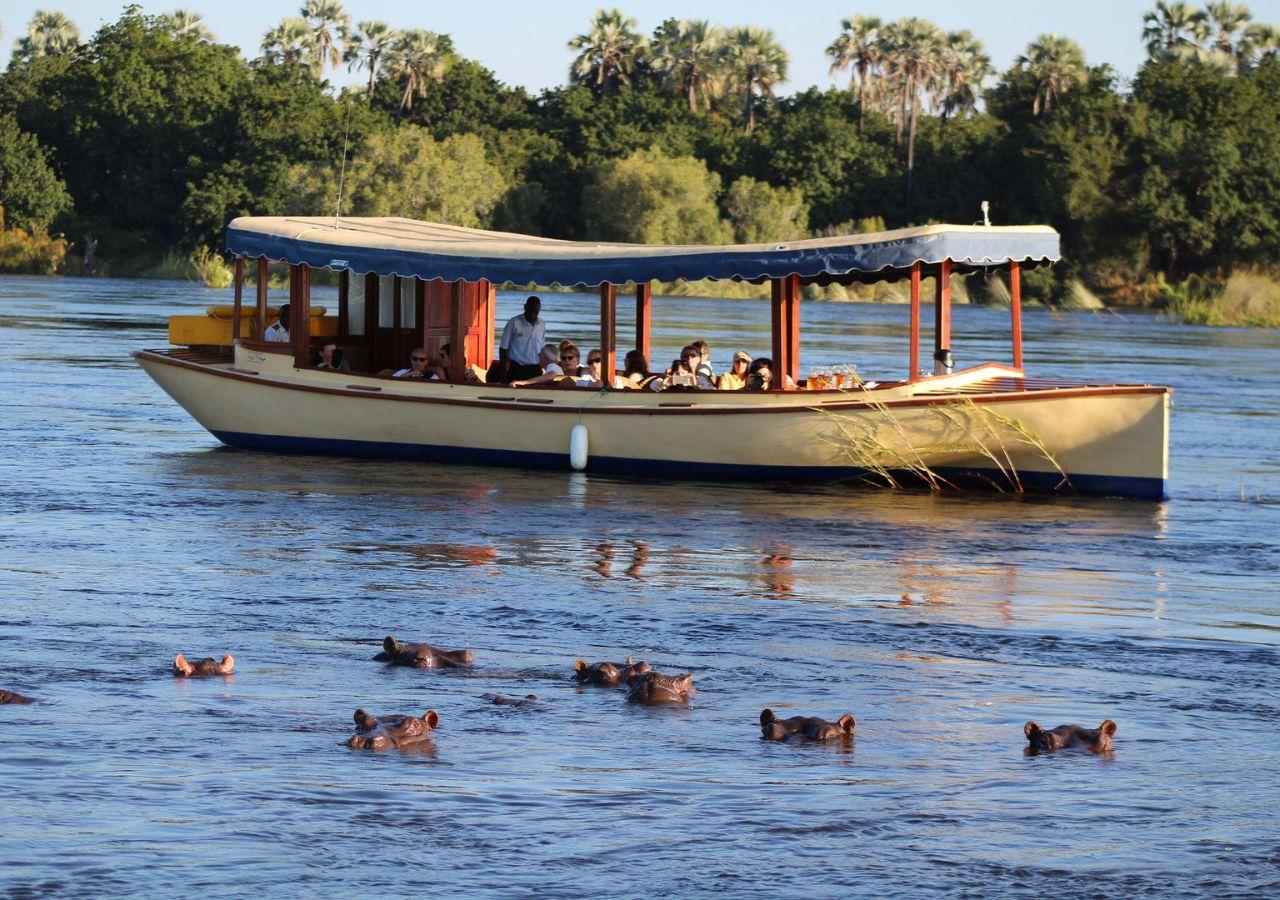
Water brings a completely different energy to safari. Children often find canoeing or boating more relaxing than game drives, and it can be brilliant for birdlife, hippos, and the rhythm of river ecosystems.
Many of Mahlatini’s family itineraries include canoeing as part of river-focused safaris, alongside other active experiences like rhino tracking and fishing. In Zambia, Time + Tide Chongwe House offers epic canoe and boat safaris with a dedicated team.
In Botswana, older children will enjoy Mokoro safaris through the Delta’s waterways. It is important to note that some camps place restrictions on certain activities for safety reasons. For example, kids under 13 might not be able to participate in walking or mokoro excursions. Always run this past your Travel Expert.
Expert tip: Ask about age minimums and lifejacket rules before you commit. Policies vary by lodge and water conditions. If your children are younger, a guided boat safari is often a calmer entry point than a canoe.
5. Cooking experiences that kids talk about afterwards
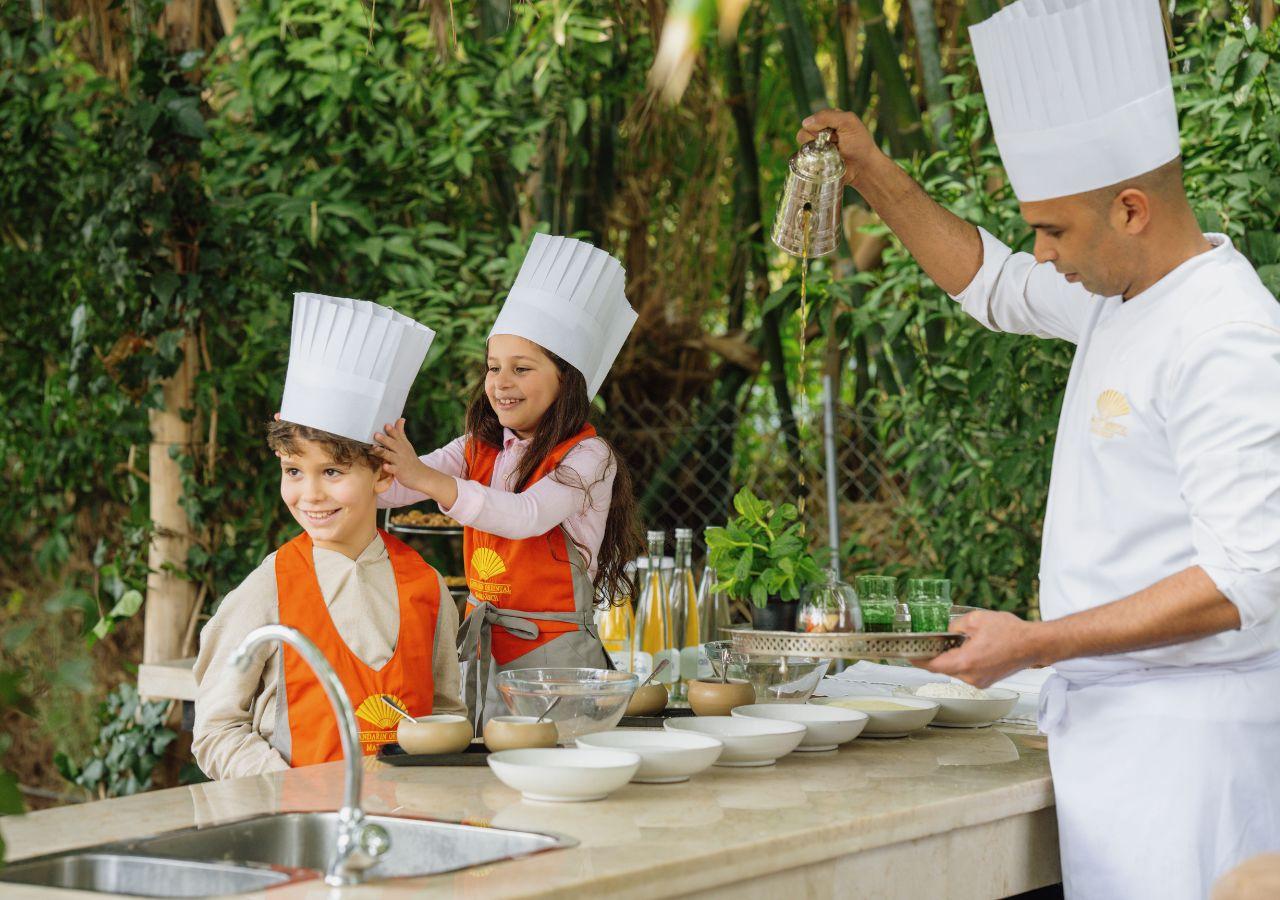
Food becomes part of the memory when it is interactive. Children tend to love experiences where they can make something, taste something new, and feel included in the lodge rhythm.
Some lodges incorporate cooking into the safari experience in a way that feels relaxed and authentic. At Singita Lebombo, families can take part in a cooking session connected to the Singita Community Cooking School, offering children a hands-on way to explore local ingredients while learning how food supports surrounding communities.
Expert tip: If food is a big part of your family’s travel, mention it early. Your Travel Expert can prioritize lodges known for strong culinary experiences.


