+1 347-708-1755


Though not crowned the king, the tiger is widely regarded as the gentleman of the jungle. Revered in ancient Hindu and native traditions, the tiger commands respect as a symbol of power. Elusive and stealthy, it moves through the low density forests of India, its stripes perfectly blending with the shadows and streaks of sunlight that filter through the trees. Weighing up to 300 kg (650 pounds), this magnificent creature is an awe-inspiring sight, and at the top of many travelers bucket lists for good reason.
Its striking coat, a burnished tapestry of copper and black, isn’t just a visual marvel but a masterpiece of camouflage. The tiger can close the distance to its prey in near silence, moving within 10 meters undetected, making it a flash of brilliance, aptly described by its collective noun, a "streak."
The Tiger Population Faces a Fragile Future
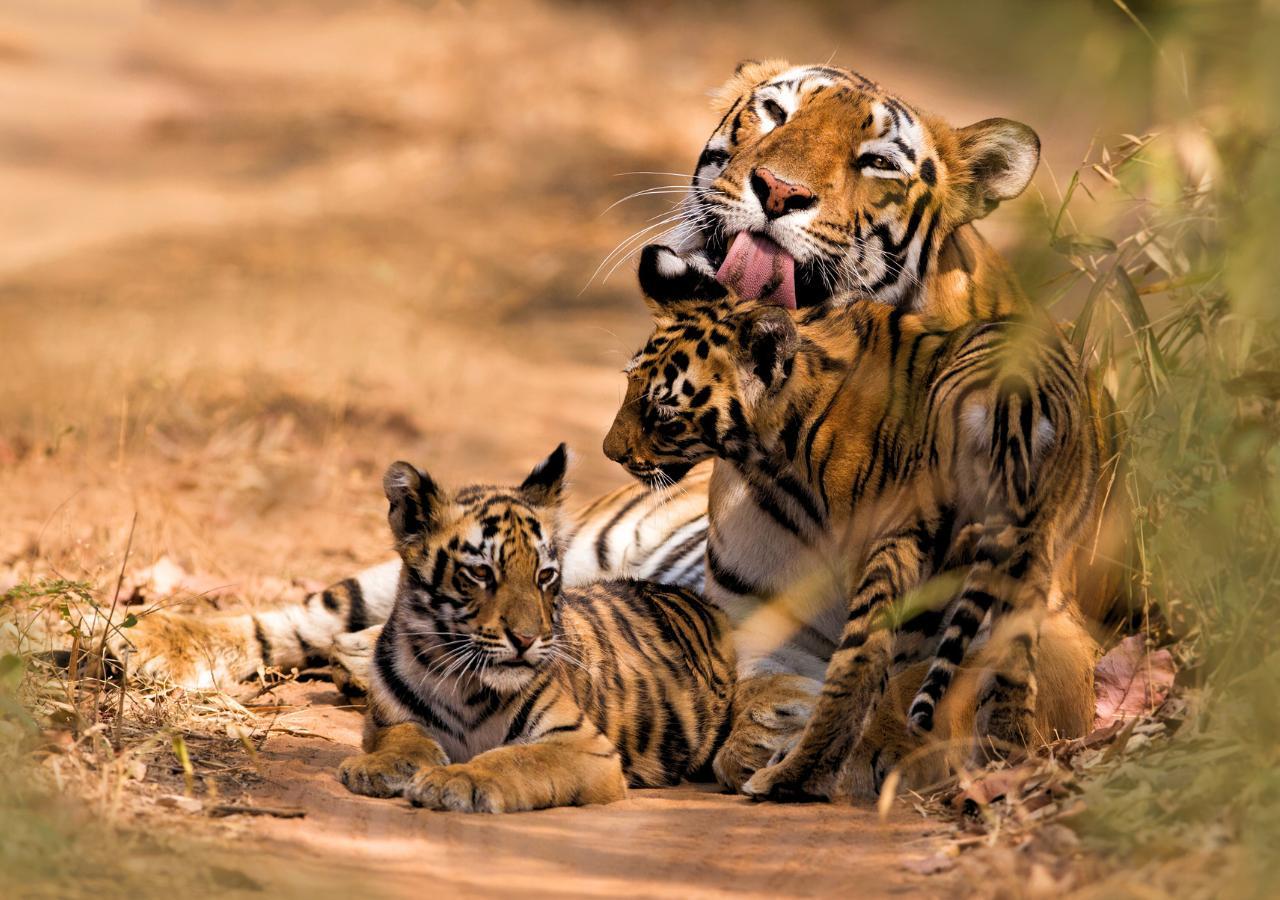
Two centuries ago, India was home to over 50,000 tigers. However, poaching and habitat loss decimated the population, leaving fewer than 2,000 tigers by the 1970s.
The situation seemed bleak. But in the face of this decline, a powerful force emerged—Project Tiger, launched in 1973. With this program, the Indian government set the stage for a comeback, creating tiger reserves and enacting the Wildlife Protection Act in 1972 to halt the devastating effects of poaching. These efforts, alongside the tireless work of organizations like Tiger Watch, have begun to reverse the damage, and today, India is home to approximately 70% of the world’s remaining wild tiger population. Yet, the tiger’s recovery is still a fragile story.
While the numbers are steadily growing, poaching persists, and habitat loss remains a looming threat. Of the nine subspecies of tiger that once roamed the planet, only five remain, and their numbers are shrinking. The majestic Bengal tiger, however, is proving resilient with India's population seeing a remarkable resurgence. In 2006, the numbers had dwindled to an alarming low of 1,411 individuals. Thanks to concerted conservation efforts, this figure rose to approximately 3,682 tigers in 2022, marking a significant recovery. The dream of conservationists and researchers is for the Bengal tiger population to flourish once more, with hopes of over 67,000 tigers roaming the wild in the coming decades.
Tiger Conservation in India
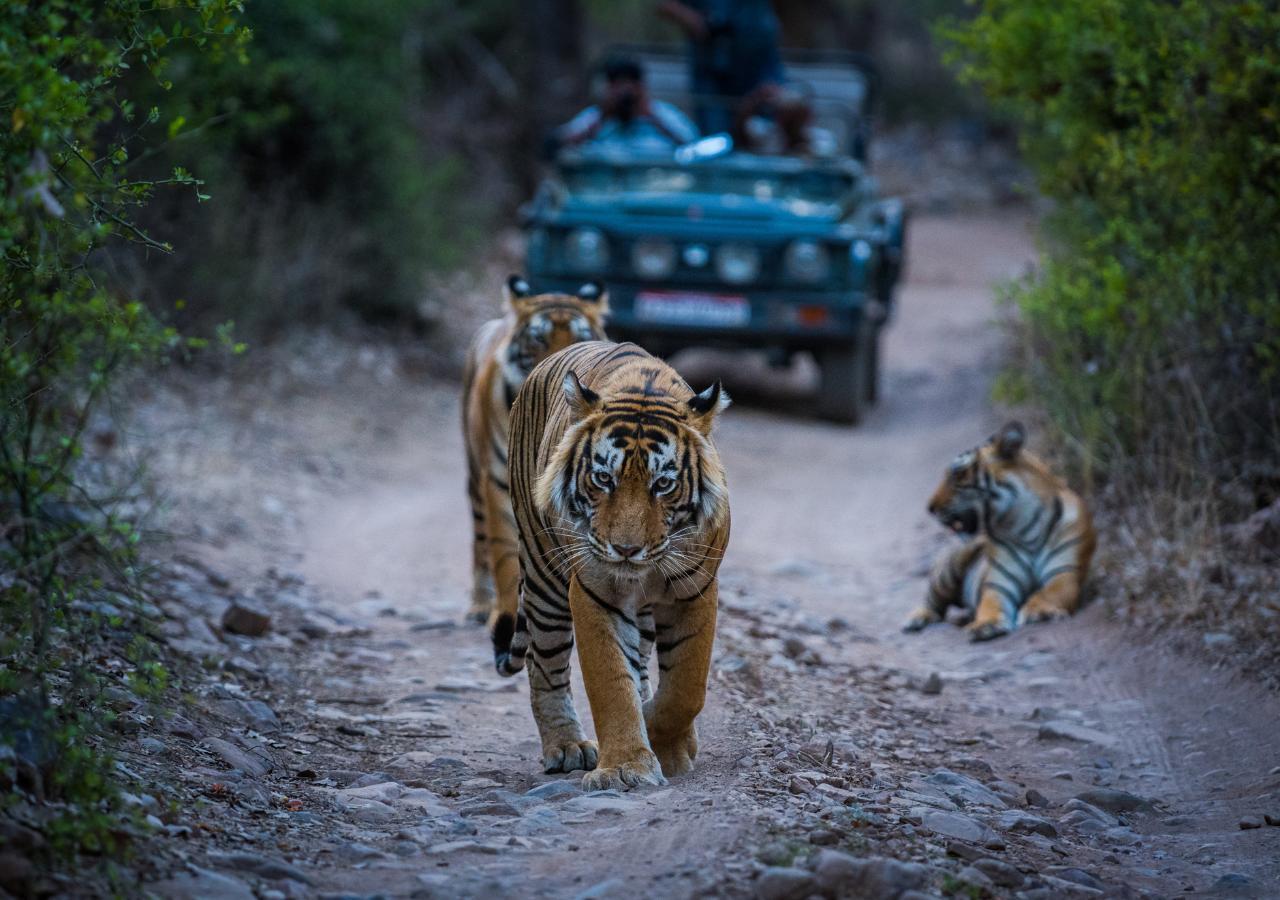
In the heart of India’s great forests, conservation initiatives are taking root, but this is only the beginning. Under the auspices eye of Project Tiger, reserves have expanded from nine to 50, covering a total of 71,000 square kilometers. As the tiger’s range stretches across India, the need for “wildlife corridors” becomes ever more urgent. These corridors will allow tigers to roam freely between protected areas, ensuring that their gene pool remains strong and their habitats are safe from encroachment.
More conservation efforts include catching poachers, tracking animal movements across vast landscapes, stopping illegal mining and wood chopping and improving local villager’s safety in order to deter poaching.
A Delicate Balance Between Conservation and Community
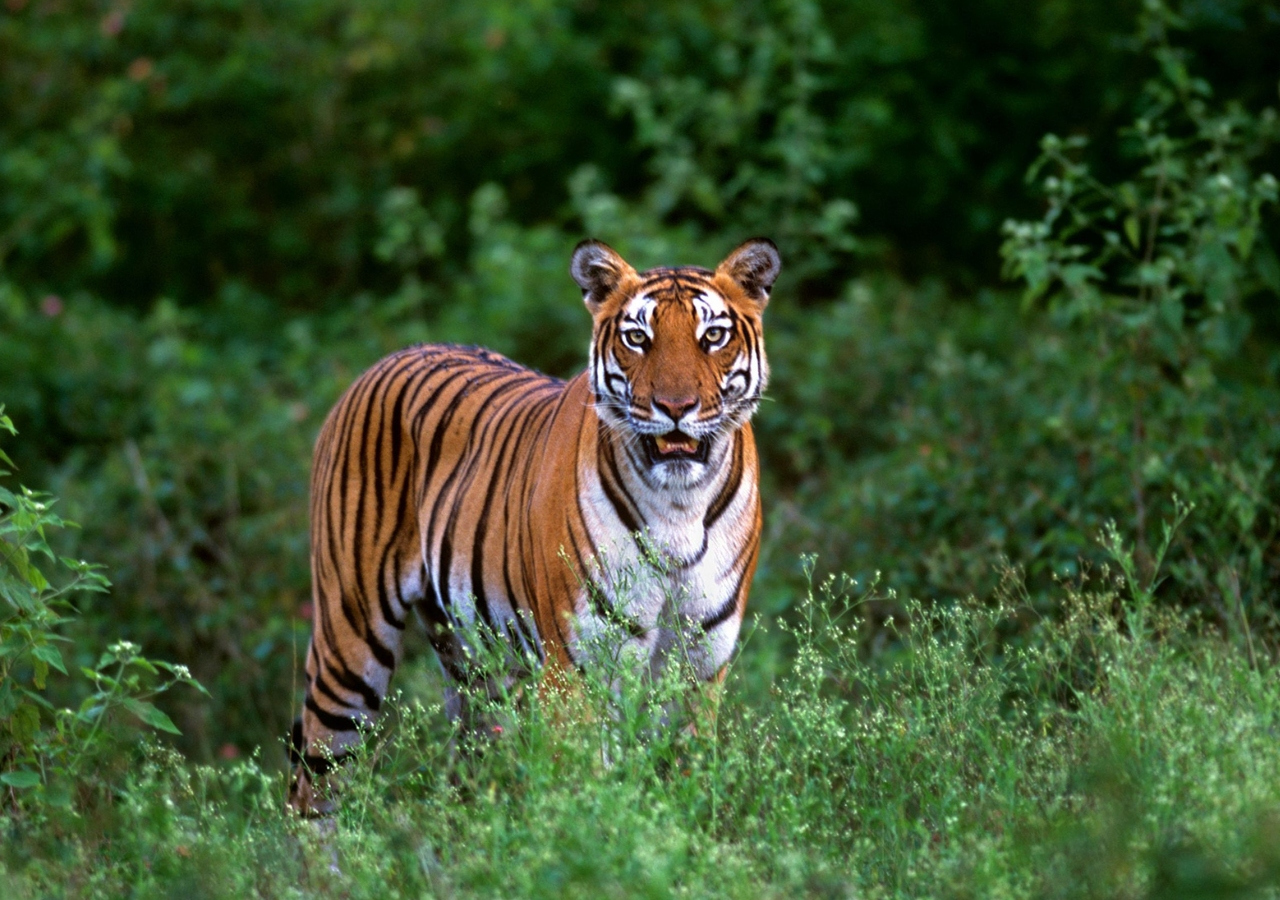
Relocating villages from critical tiger habitats has been one of the most challenging aspects of tiger conservation. Project Tiger’s voluntary relocation efforts aim to reduce human-wildlife conflict and restore ecosystems. Since 1973, over 56,000 families have been identified for relocation, with many resettled outside the reserves.
Despite obstacles, good governance and diligent conservation practices have led to significant progress. Relocation not only secures critical tiger habitats but also enhances the well-being of communities in the long term. Many villages previously reliant on unsustainable farming or poaching have transitioned to new livelihoods, including eco-conscious tourism and sustainable agriculture.
Organizations like Tiger Watch play a pivotal role in tiger conservation in Ranthambore. Tiger Watch not only safeguards these big cats but also uplifts local communities, particularly the Mogya people—a historically marginalized group—by providing education and sustainable employment opportunities.
At Mahlatini, we recognize that conservation is about more than just protecting wildlife, it’s about safeguarding the delicate balance between people and nature. By supporting responsible tourism, we contribute to initiatives that empower local communities, ensuring that their future is intertwined with the survival of the Bengal tiger.
Conscious Travel as a Catalyst for Change

One of the most rewarding aspects of tiger safaris is witnessing how conservation and tourism can coexist. In villages bordering protected reserves, responsible travel has brought employment, business opportunities, and access to education, fostering a sustainable future for both people and wildlife.
A recent study found that tourism generates four times more employment in villages near reserves than in those without tourism. In nine tourism villages, 169 small shops employed 368 people. In contrast, 14 non-tourism villages supported just 68 shops, employing only 94 people. These findings underscore the economic upliftment driven by responsible wildlife tourism, benefiting education, healthcare, and local businesses in communities that coexist with tigers.
Ecotourism in India’s tiger reserves is built on a foundation of sustainability, conservation, and community engagement. Iconic reserves such as Ranthambore and Jim Corbett National Park attract wildlife enthusiasts from across the globe, fostering environmental awareness through low-impact activities like guided safaris and nature walks.
To ensure minimal disruption to these fragile ecosystems, strict regulations are in place, safeguarding both the wildlife and habitats. The revenue generated through eco-conscious tourism directly funds conservation efforts, supporting anti-poaching patrols, habitat restoration, and scientific research. Furthermore, community-led initiatives create sustainable livelihoods, reinforcing a shared commitment to preserving the natural world.