+1 347-708-1755


The Okavango Delta is one of the world’s most remarkable safari ecosystems. Instead of rivers flowing out to sea, seasonal floodwaters spill inland, spreading slowly across channels, lagoons, and floodplains. Wildlife follows the water, and safari experiences are designed around how and where you move through it.
For travelers planning a water-led safari, the key is understanding that “the Okavango” is not one experience. The activities you can do depend on where your camp sits (permanent waterways or seasonal floodplains) and when you travel, as water levels shift through the year.
1. Motorboat safaris through permanent channels
Best for: Close-up wildlife viewing with minimal effort
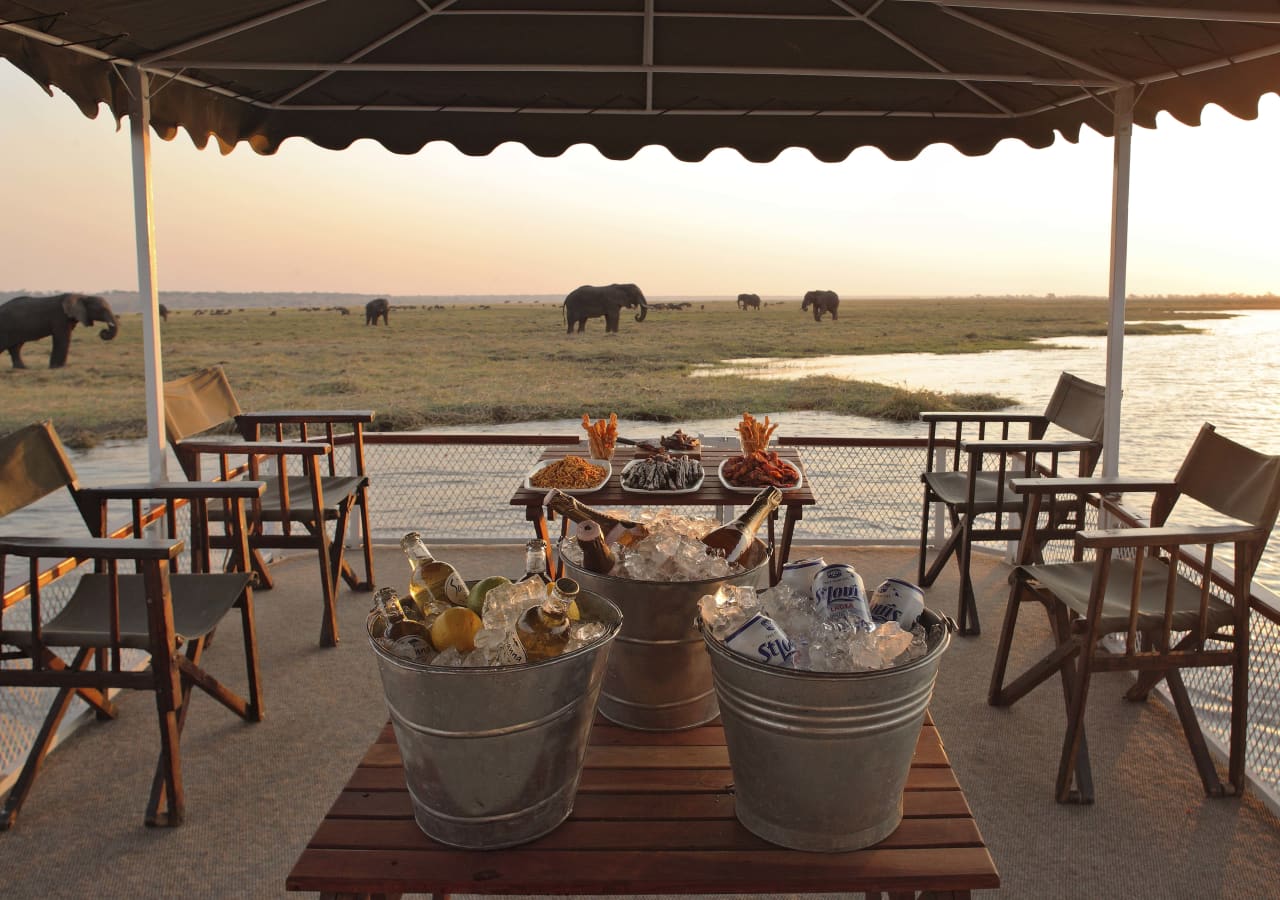
In the Delta’s deeper channels and larger lagoons, motorboats allow you to move quietly through permanent water, often getting surprisingly close to elephants feeding in reeds and hippo pods in open water.
For many US travelers, motorboat safaris are an appealing way to experience the Delta. They allow extended time on the water without physical exertion, making them well suited to honeymooners, multigenerational groups, or travelers who value comfort.
Expert tip: If boating is a priority, we’ll steer you towards areas with dependable year-round water, rather than regions where boating is only possible at peak flood.
2. Mokoro excursions in floodplains and reed-lined channels
Best for: Quiet immersion and the classic Okavango feeling

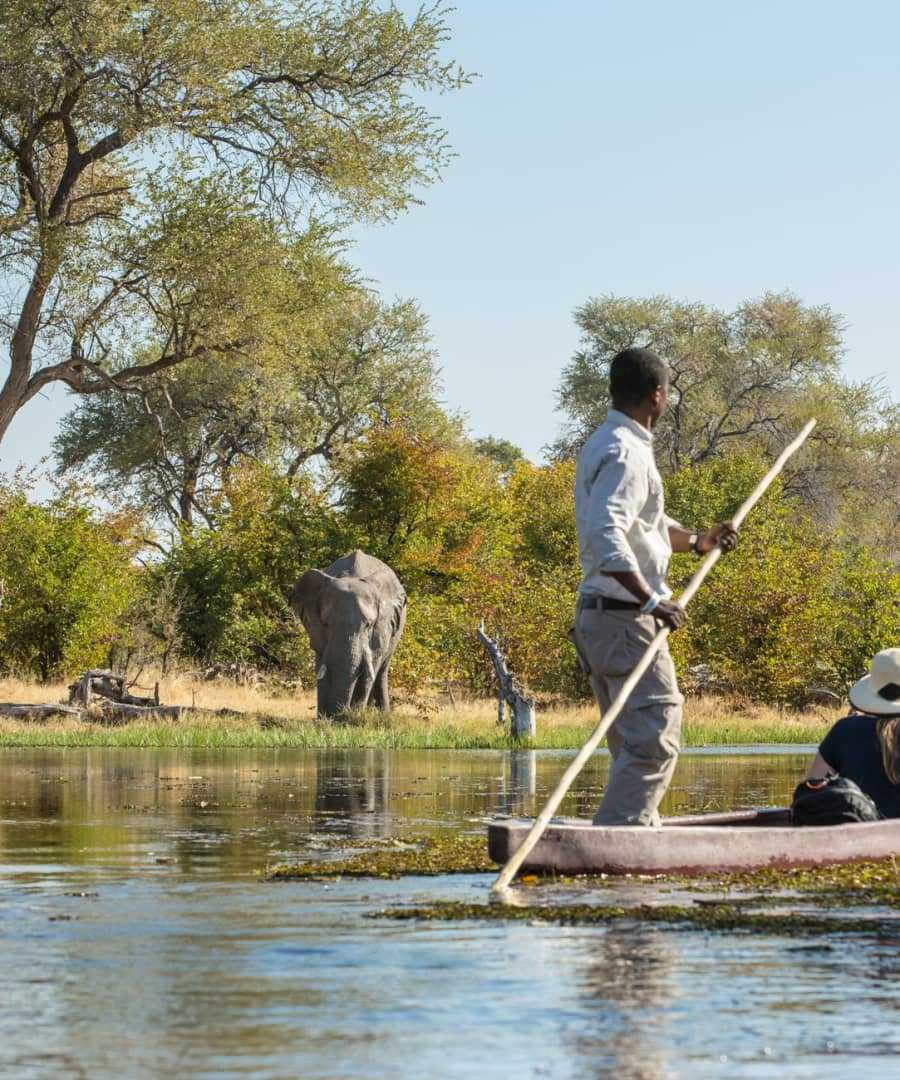
Mokoros are the Delta’s most iconic water experience, but they’re not available equally everywhere. They work best where floodwater spreads into shallow channels and across grassy floodplains, creating that gliding, almost silent perspective people associate with the Okavango.
That said, mokoro experiences vary widely depending on location and season. Not every camp has access to suitable channels every month, which is why planning around water levels is essential.
3. Canoe-led safaris for a more participatory experience
Best for: Confident travelers seeking an engaging activity on the water.
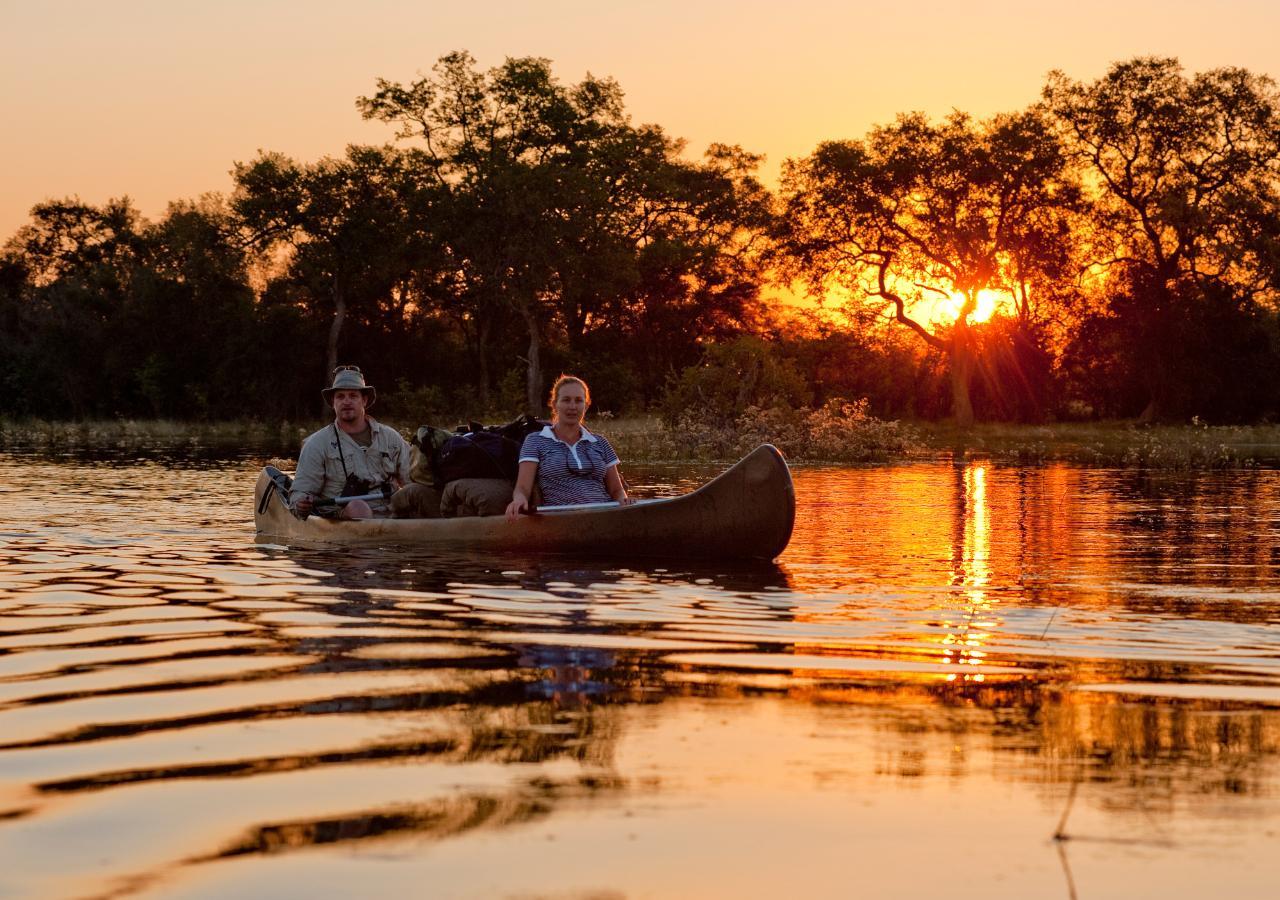
In select Delta areas, canoeing offers a hands-on way to experience the waterways. Sitting closer to the surface brings a heightened sense of presence, particularly when navigating narrow channels or open floodplains.
Because canoeing suitability varies by season and conditions, we build it into itineraries only where it genuinely enhances the experience.
4. Fishing as part of a water-intensive stay
Best for: Relaxed afternoons and variety between drives
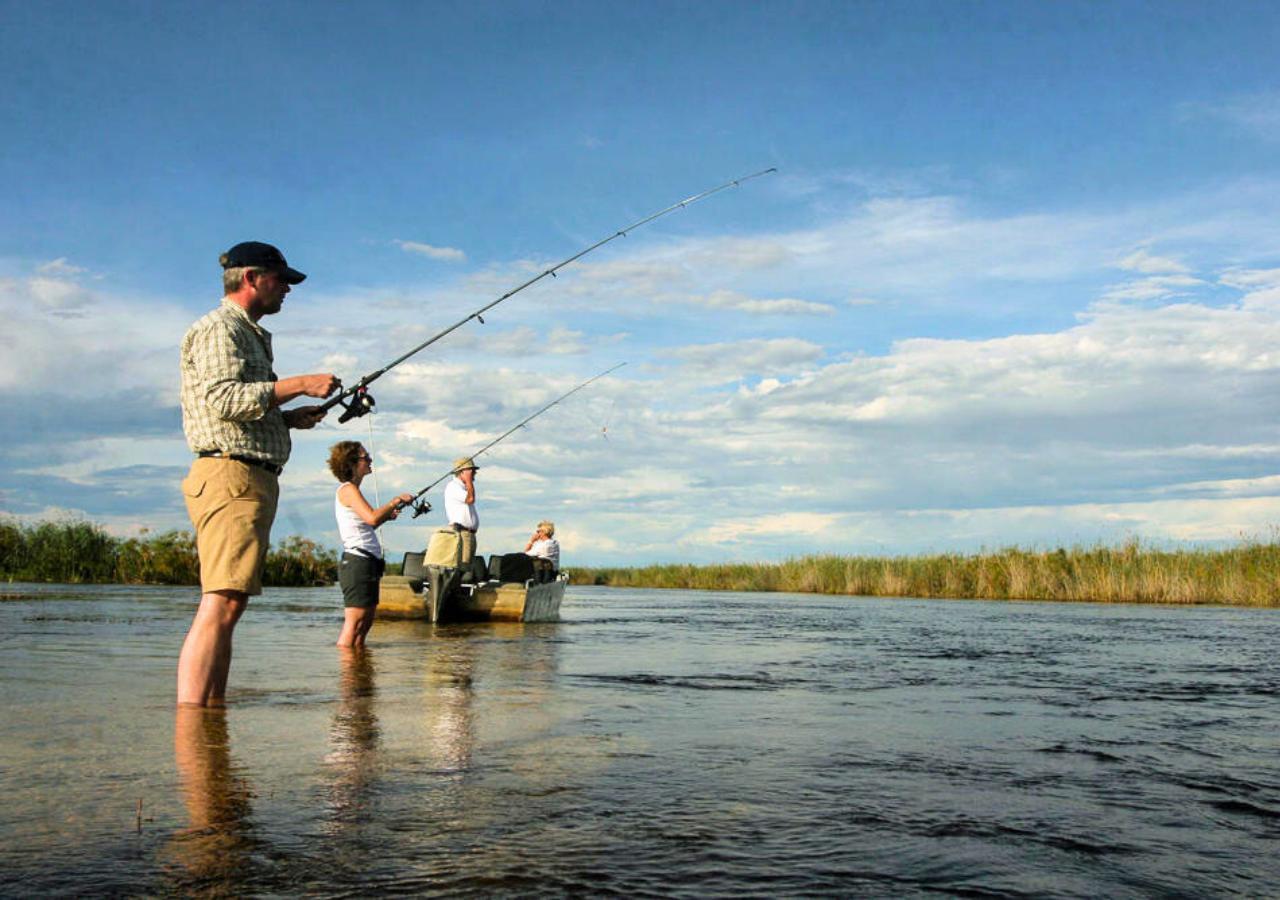
In parts of the Delta, seasonal fishing can add a simple, satisfying dimension to the safari day, particularly for couples or families who enjoy time on the water beyond wildlife viewing. Some camps also combine fishing with boat-based exploration, creating a gentle, unhurried rhythm to afternoons.
Expert tip: Fishing availability varies by season and conservation guidelines. If this is important to you, we’ll confirm what’s realistic for your travel dates and chosen area early in the planning process.
5. Combining water and land activities
Best for: Travelers who want balance without leaving the Delta
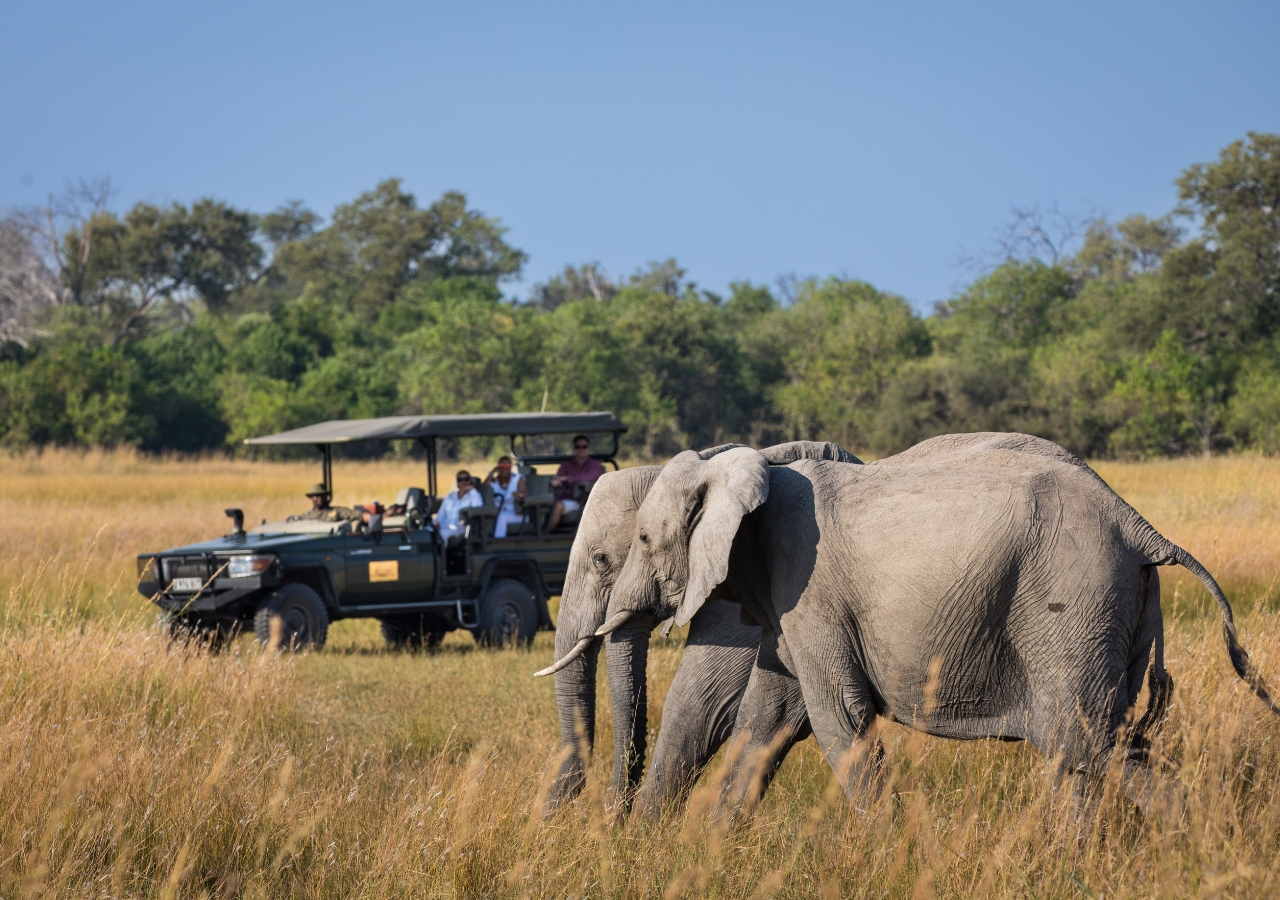
One of the Delta’s greatest strengths is its ability to combine water-based activities with land-based game drives and walks, depending on where you stay. Some concessions shift naturally between water and land safaris as flood levels change, while others offer access to both simultaneously.
This matters for honeymooners and first-time safari travellers because it prevents the experience from feeling one-note.
6. Scenic flights over the Delta
Best for: Understanding the scale of the ecosystem
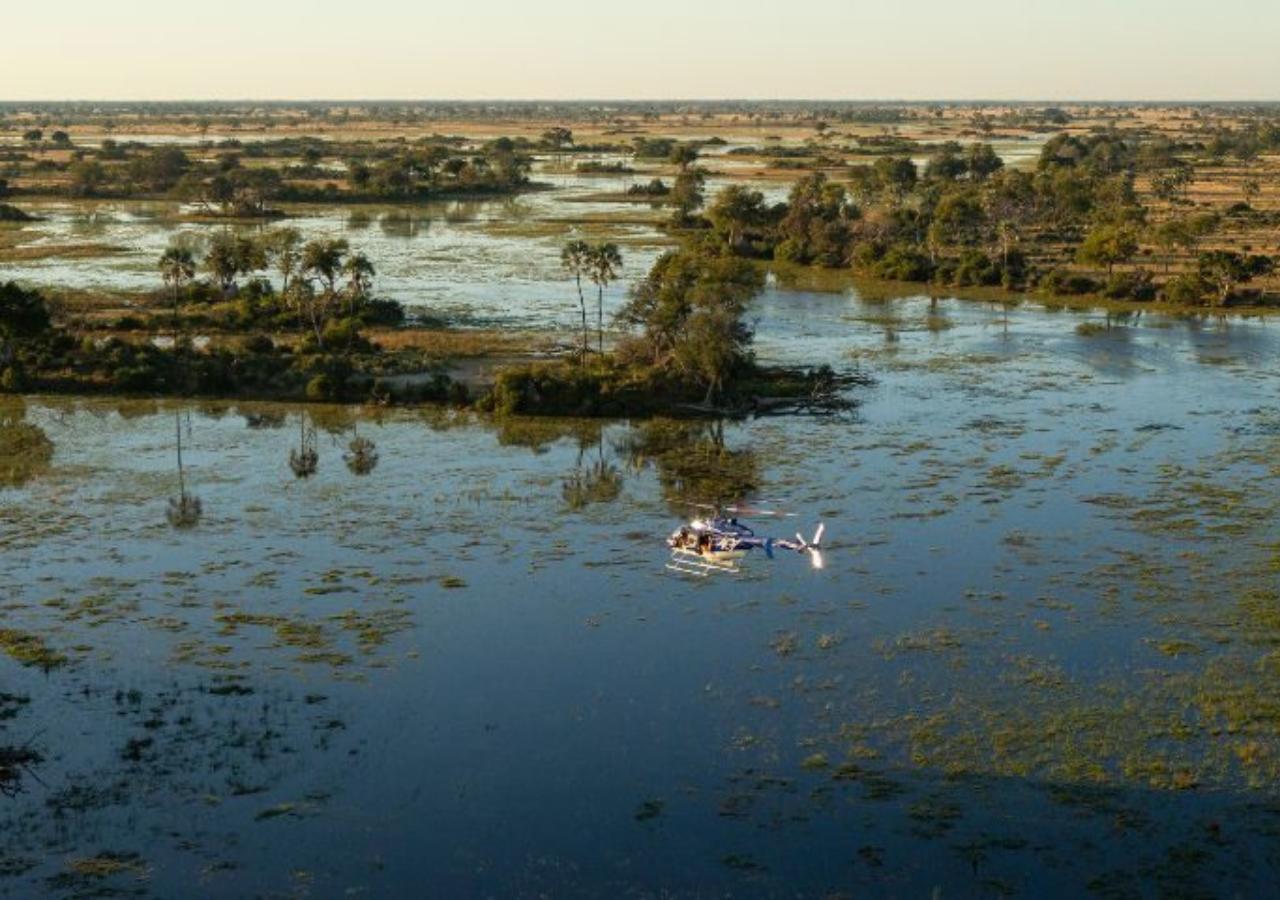
A scenic flight over the Delta reveals the full story of how water shapes the landscape. From above, the network of channels, islands, and floodplains becomes clear, offering context that’s impossible to grasp from ground level alone.
For many travelers, this moment becomes a highlight—not because of wildlife density, but because it explains the Delta itself.
When to go if water is the priority

If your goal is a water-intensive Delta safari, timing matters. Floodwaters typically arrive around April/May and the Delta expands dramatically, with peak water levels often in mid-winter, before receding towards spring.
As a general rule: the more boating and mokoro time you want, the more we plan around water levels rather than a generic “best month”.
To learn more, read our blog, 7 Step Guide to Planning a Water-Based Safari in Africa.
How to choose the right area of the Delta
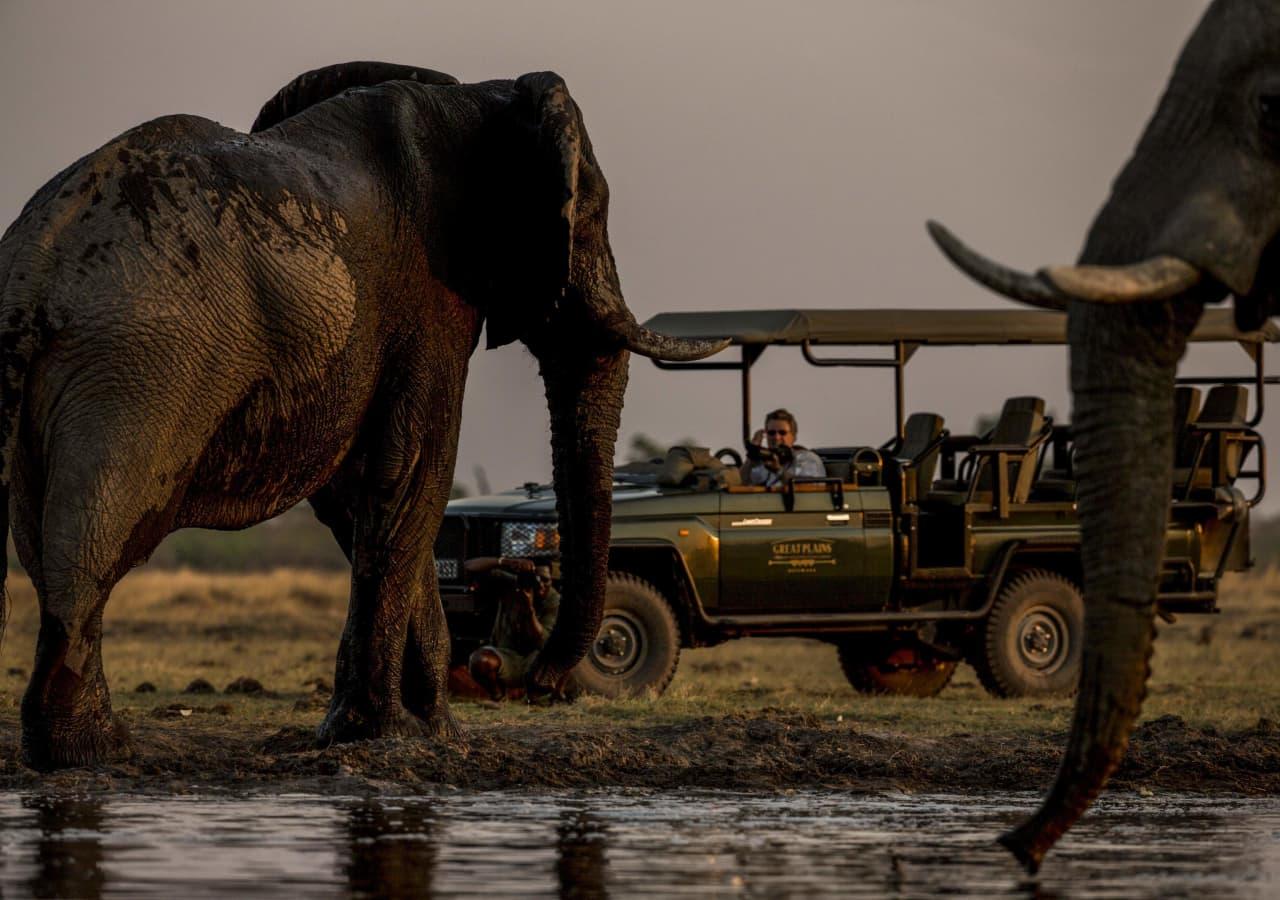
Most travelers don’t need “more” Delta. They need the right type of Delta.
A simple way to narrow it:
- If you want deep channels and lagoon boating, prioritize camps with dependable permanent water.
- If you want classic floodplain mokoro immersion, prioritize areas where seasonal floods create shallow, navigable channels.
- If you want variety, choose regions that allow both water activities and strong land-based game viewing.
Planning a seamless Delta journey
In our safari planning experience, many travelers find the Okavango Delta is at its best when the logistics disappear. That often means flying between camps by light aircraft, staying long enough to settle into one area, then moving once for contrast rather than hopping repeatedly.
If you’d like some inspiration for water-based safaris, our itineraries are designed to show different ways of experiencing the Delta—from water-led stays to combinations that add the Linyanti or Chobe for contrast.