+1 347-708-1755


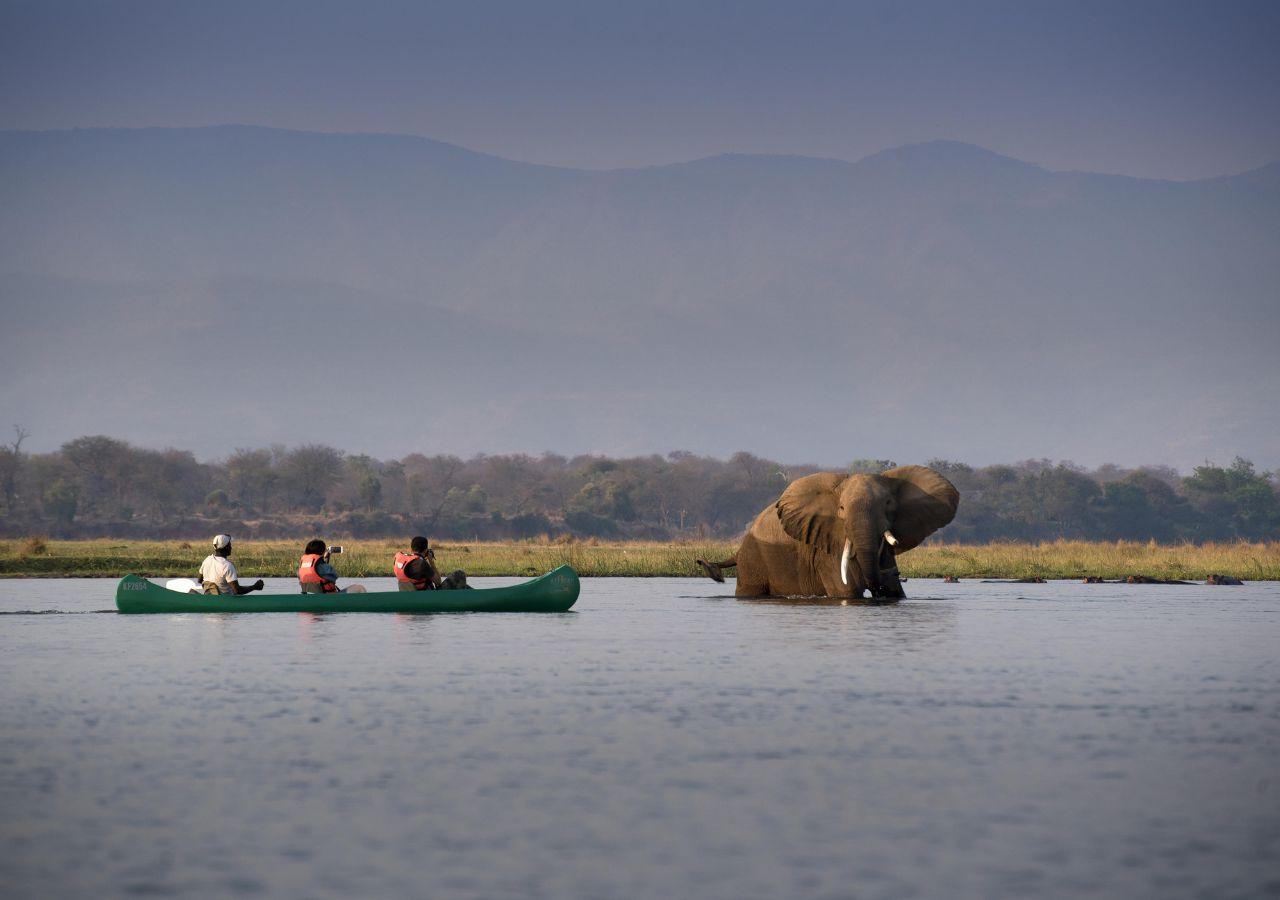
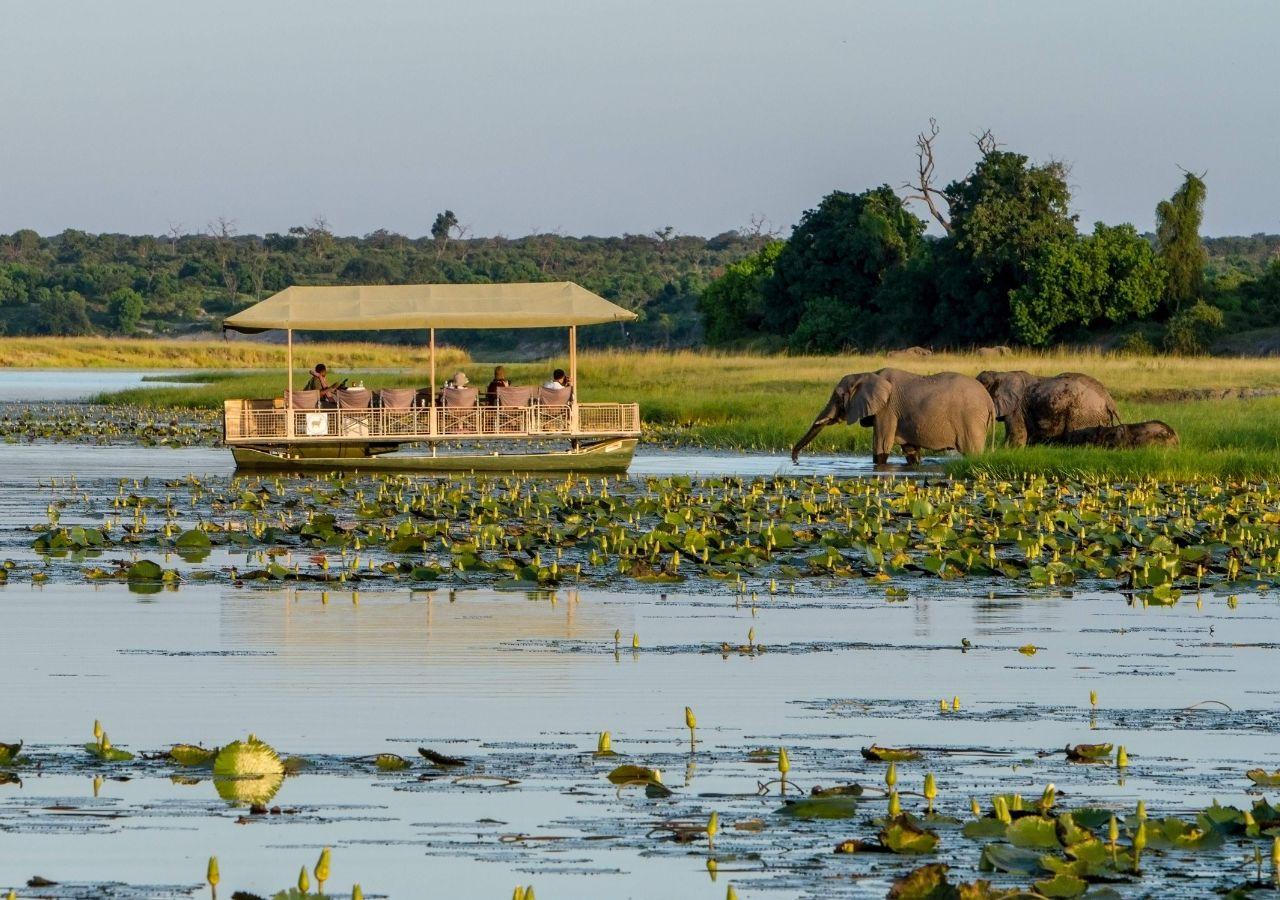
Water-based safaris do not follow the same rules as a traditional safari. Planning a water-based safari is less about picking a destination and more about understanding timing.
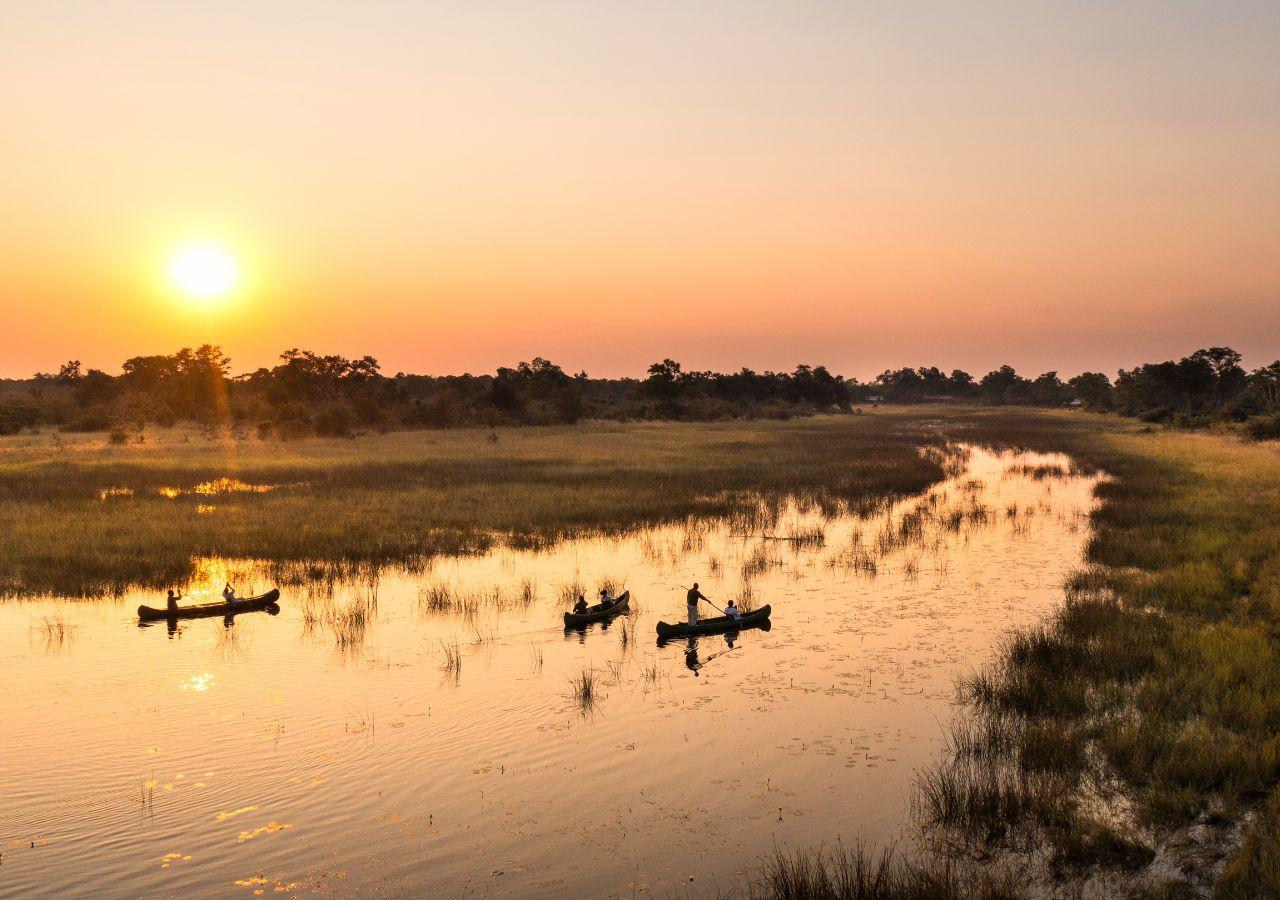
Across some of Africa’s major river systems, including the Okavango Delta and the Zambezi, peak water levels do not always coincide with the rainy season. In some places, the best conditions for mokoro trips, boating and other water-based activities arrive months after the rains.
That has a direct impact on how your safari is planned. It affects whether you spend more time on the water or on land, which activities are available, and how easily certain areas can be reached.
Understanding that relationship between seasonality and water levels is what allows you to plan the experience properly.
Why Water Levels Matter More Than You Might Expect
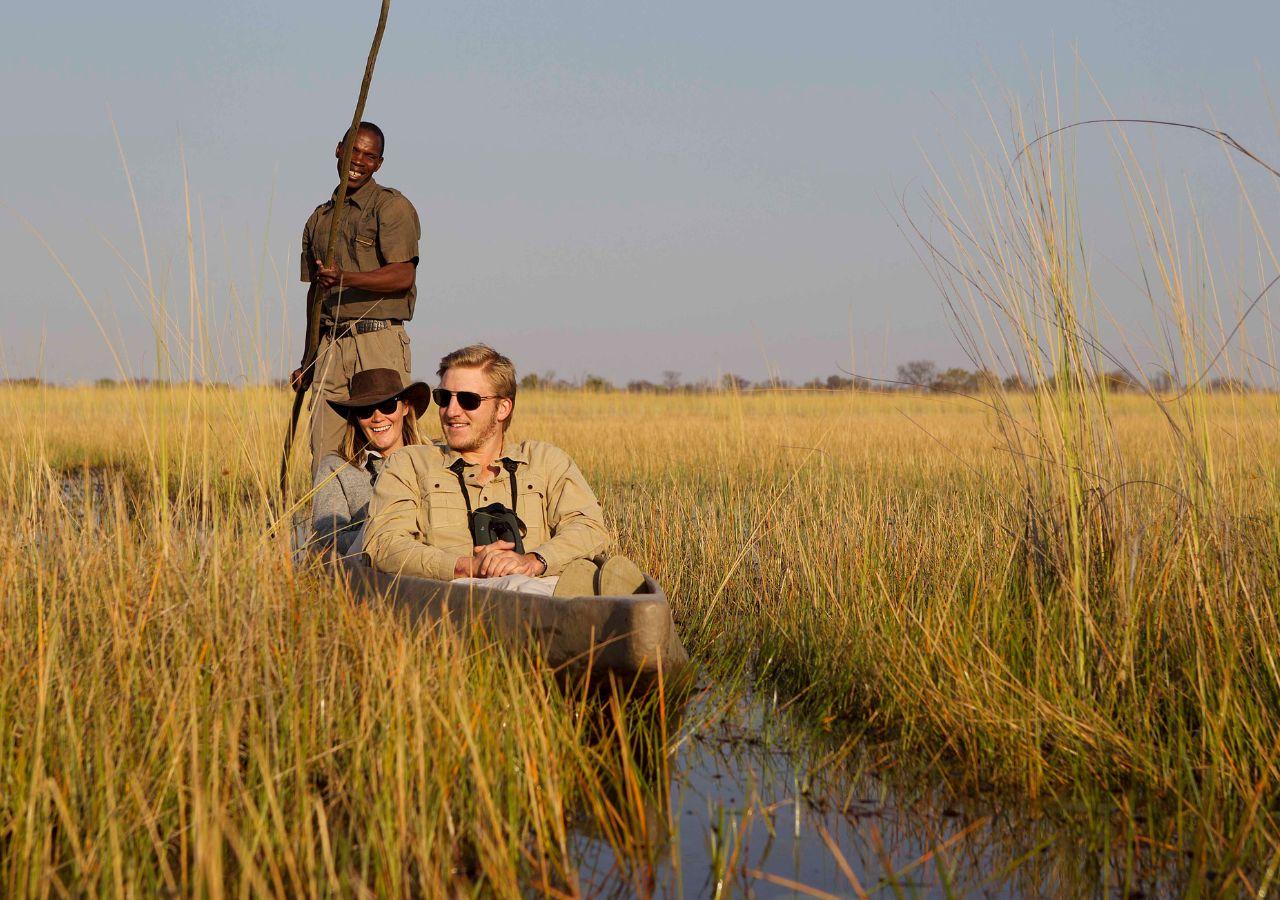
In destinations such as Botswana, Zambia and Zimbabwe, water is not constant. It moves and returns in cycles.
In the Okavango Delta, floodwaters arrive months after rainfall in Angola, gradually filling channels and floodplains. In the Zambezi system, water levels fluctuate with regional rainfall and dam flow.
For travelers, this affects:
- Whether mokoro or boat safaris are possible
- How easy it is to move through certain areas
- Where wildlife concentrates
Understanding this early helps put together the rest of your itinerary.
If you are new to this style of travel, our guide to What to Expect on a Water-Based Safari explains how these experiences differ from traditional game drives.
The Okavango Delta
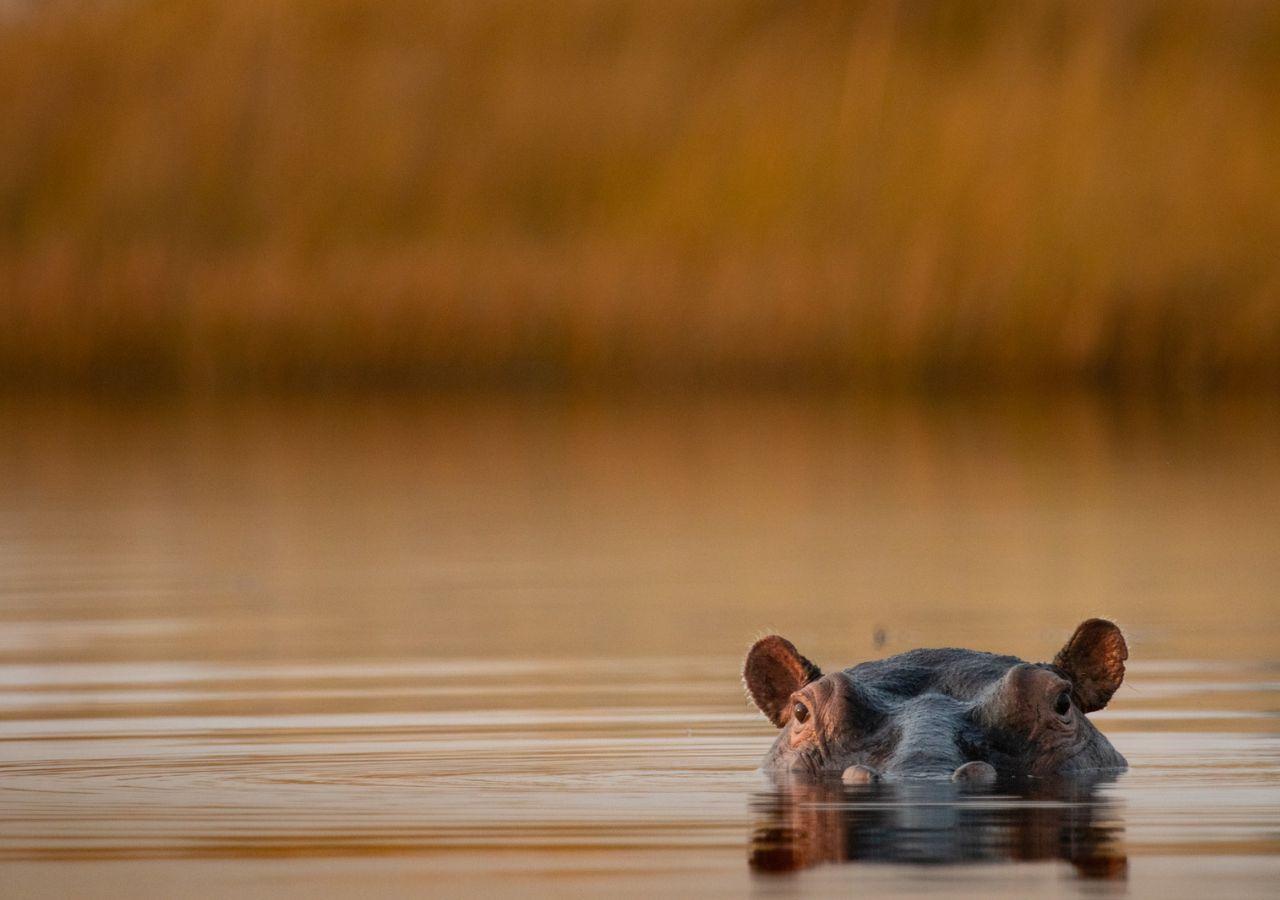
One of the most common misconceptions is assuming the Delta is fullest during the rainy season.
In reality, the Okavango Delta’s flood arrives between May and August, during Botswana’s dry winter. Water flows down from Angola and spreads across the Delta, filling channels and creating the conditions needed for mokoro and boating safaris.