+1 347-708-1755


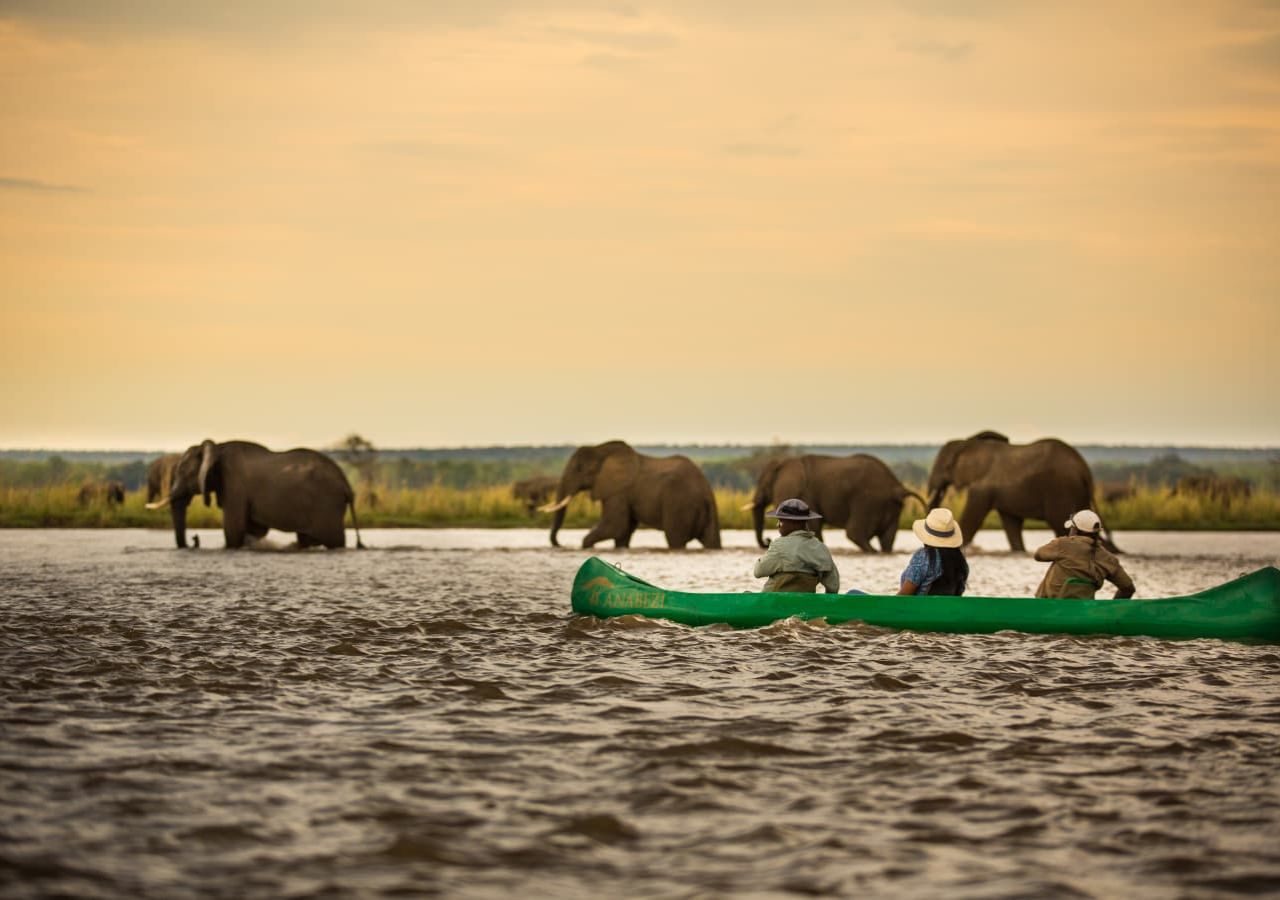
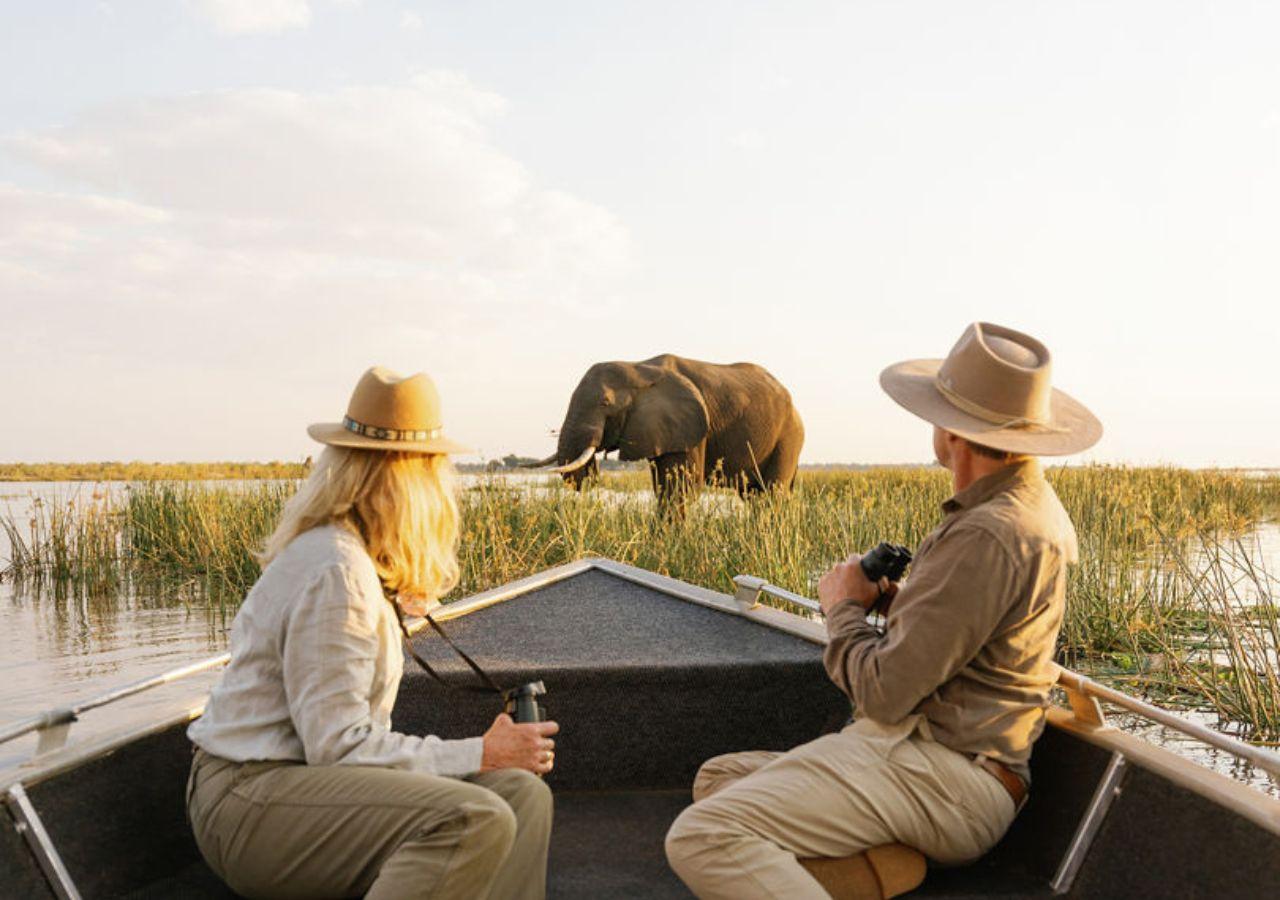
In the Lower Zambezi, time on the water is a core part of the safari. You might spend a morning drifting past elephant on the riverbank, then head out on a game drive later in the day, seeing the same stretch of bush from a completely different perspective, which is part of what makes this area so spectacular.
The river runs for over 2,700 kilometers, flowing from Angola, over Victoria Falls and through Lake Kariba before reaching the Lower Zambezi. By the time it arrives here, it has created a wide, fertile valley that supports a high concentration of wildlife.
What Makes the Lower Zambezi Different
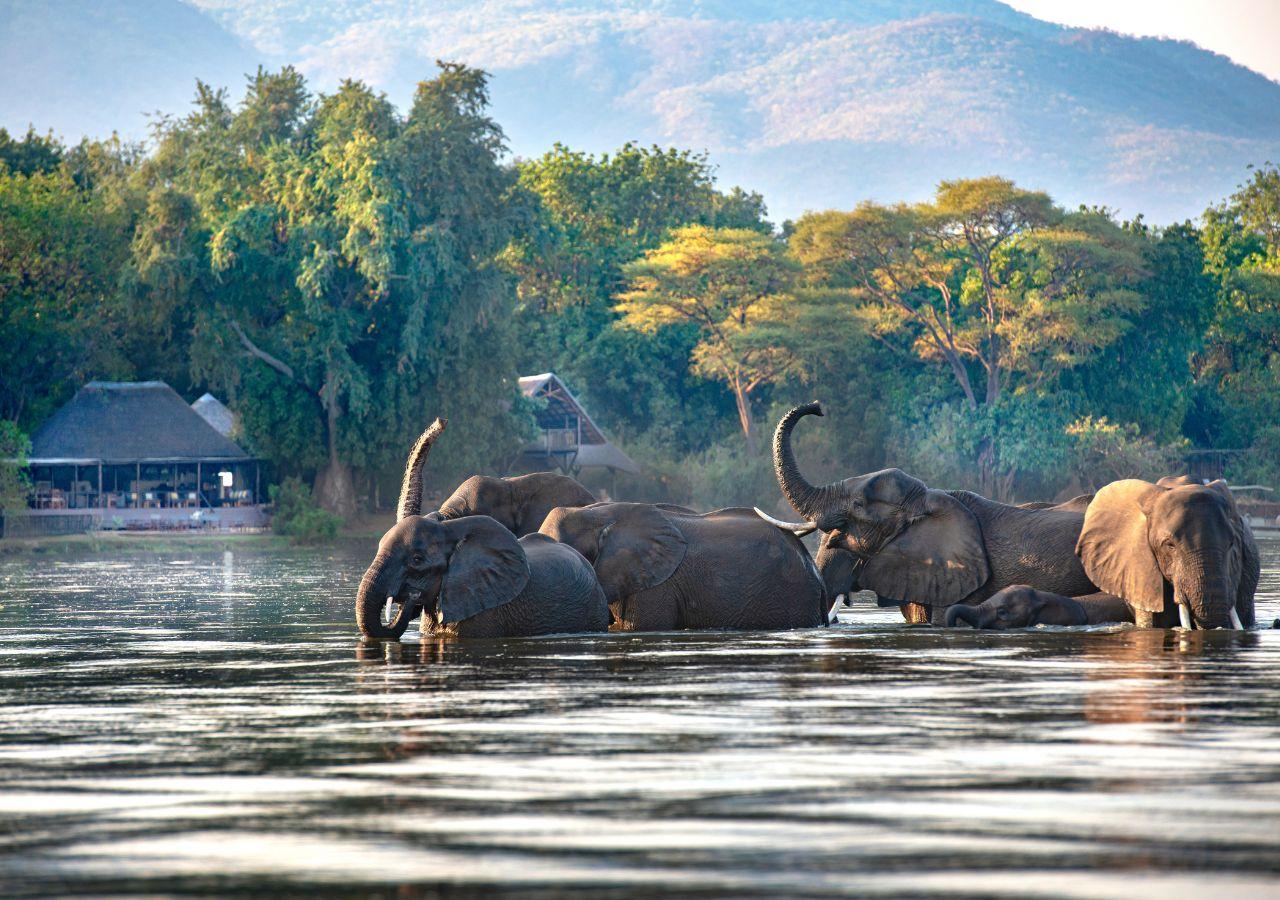
The Lower Zambezi sits opposite Mana Pools National Park in Zimbabwe, with the river forming a natural boundary between the two. Wildlife moves freely across this area, which is why the region feels so active, particularly during the dry season.
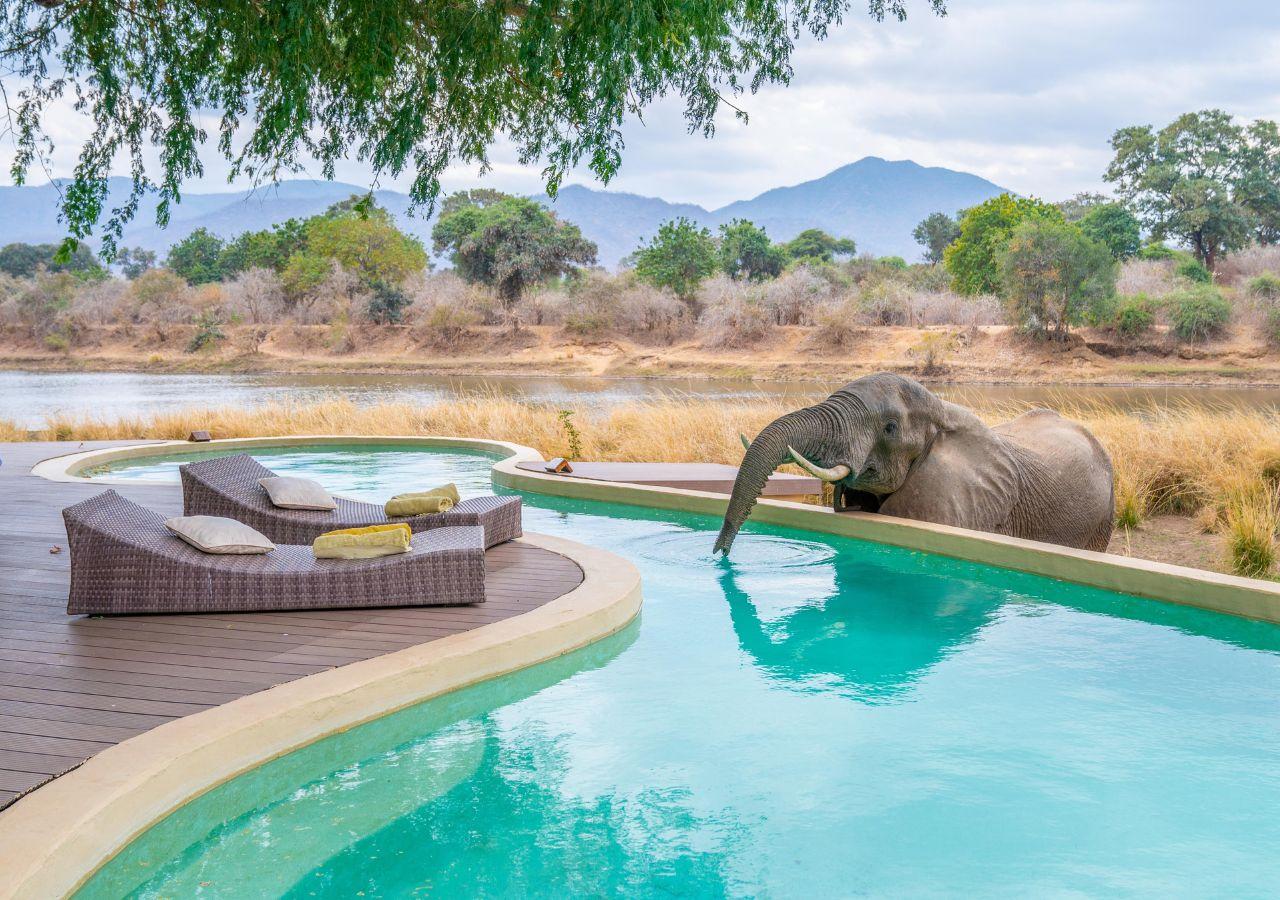
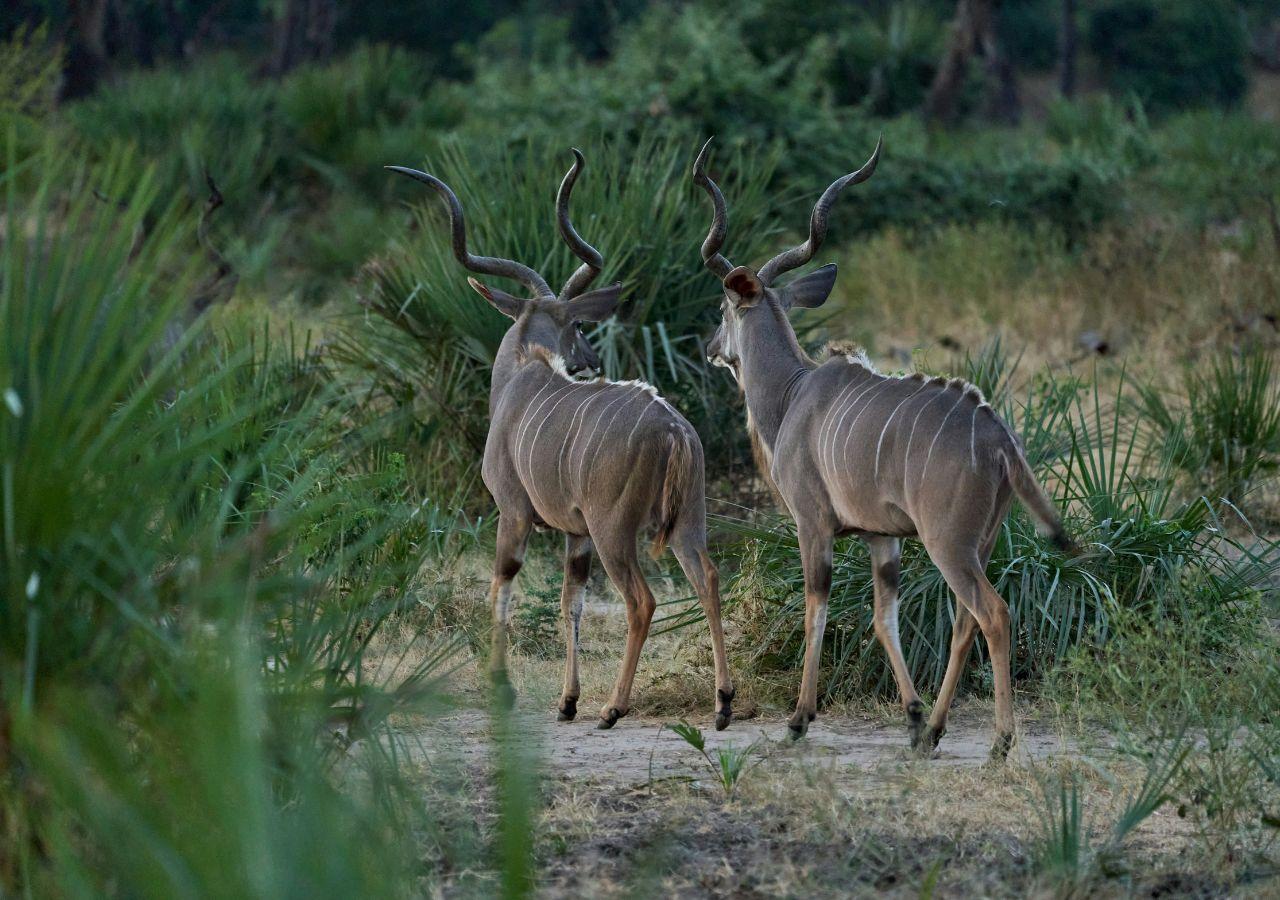
There are around 50 mammal species and over 400 bird species recorded here. Elephant are a constant presence along the river, with buffalo, waterbuck and antelope often close behind. Predators are present, although sightings depend on timing and guiding.
The birdlife is also incredible. From September to November, carmine bee-eaters nest in the riverbanks, turning sections of the Zambezi into a ribbon of color.
What also sets the Lower Zambezi apart is how protected the river experience is. Only the small number of lodges inside the park are permitted to operate boats regularly, and the number of vessels on the water is tightly controlled.
What a Water Safari Feels Like Here
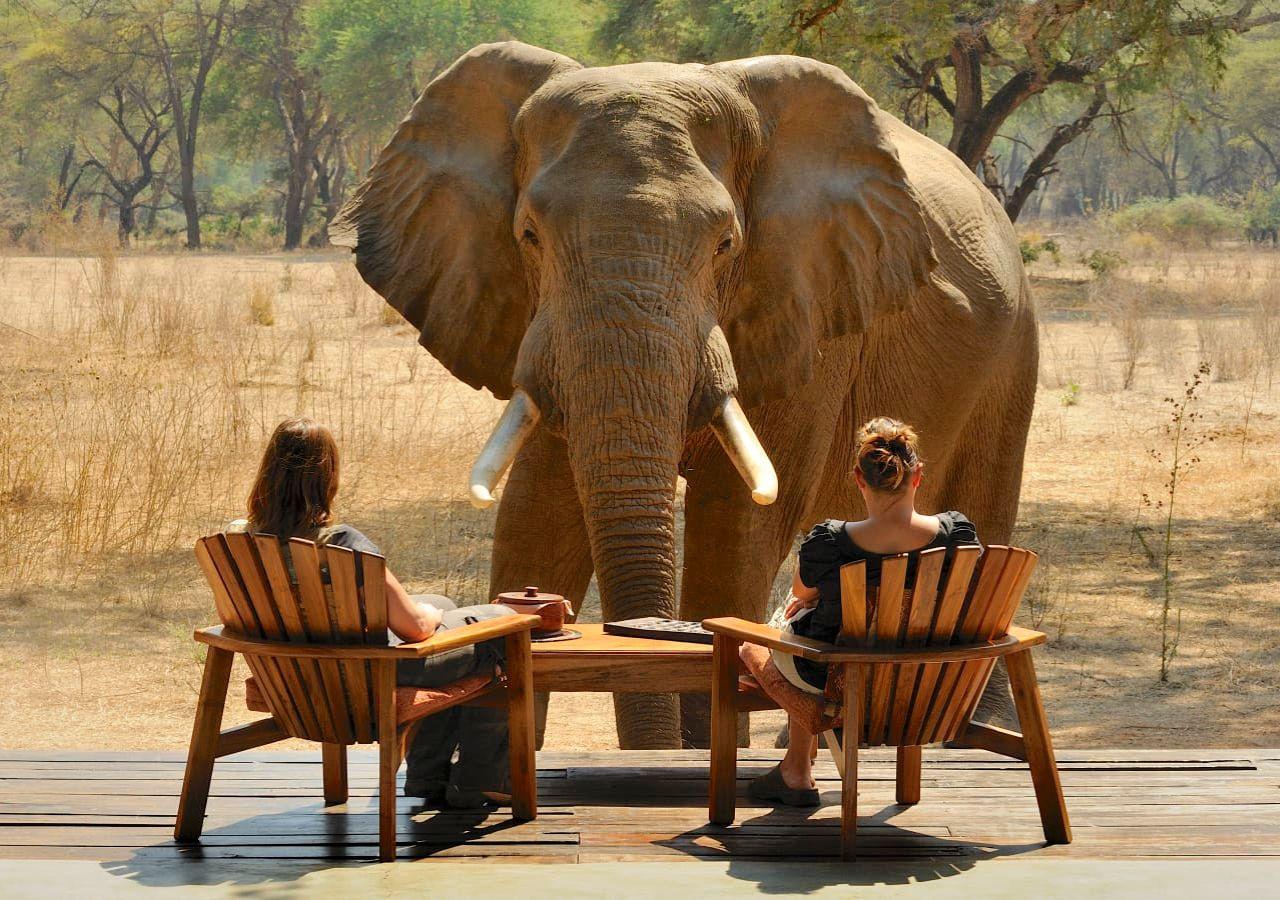
A lot of safari time is spent in vehicles, but the Lower Zambezi adds a completely different element to a safari, because there’s a strong focus on the winding river.
When you aren’t on a game drive or enjoying the river from your deck, you might head out on a canoeing safari, where you’ll move quietly, often in single file, with a guide setting the pace along the river. Otherwise, there are also boat safaris to be enjoyed and many other experiences.
When to Travel
Timing is important when visiting the Lower Zambezi, but it’s relatively straightforward to understand.
The dry season from May to November is when the Lower Zambezi works best.
- June to October – strong wildlife viewing as animals gather along the river
- September and October – warmer, but often the best time for sightings
- September to November – peak birdlife, including carmine bee-eaters
The green season (November to April) brings a very different feel. The landscape becomes lush, but wildlife disperses and humidity increases. Many camps close during this period.
If you are combining the Lower Zambezi with Victoria Falls, timing becomes more important.
- March to May works well for seeing the Falls at full flow
- June onwards is better for safari conditions
Getting to the Lower Zambezi
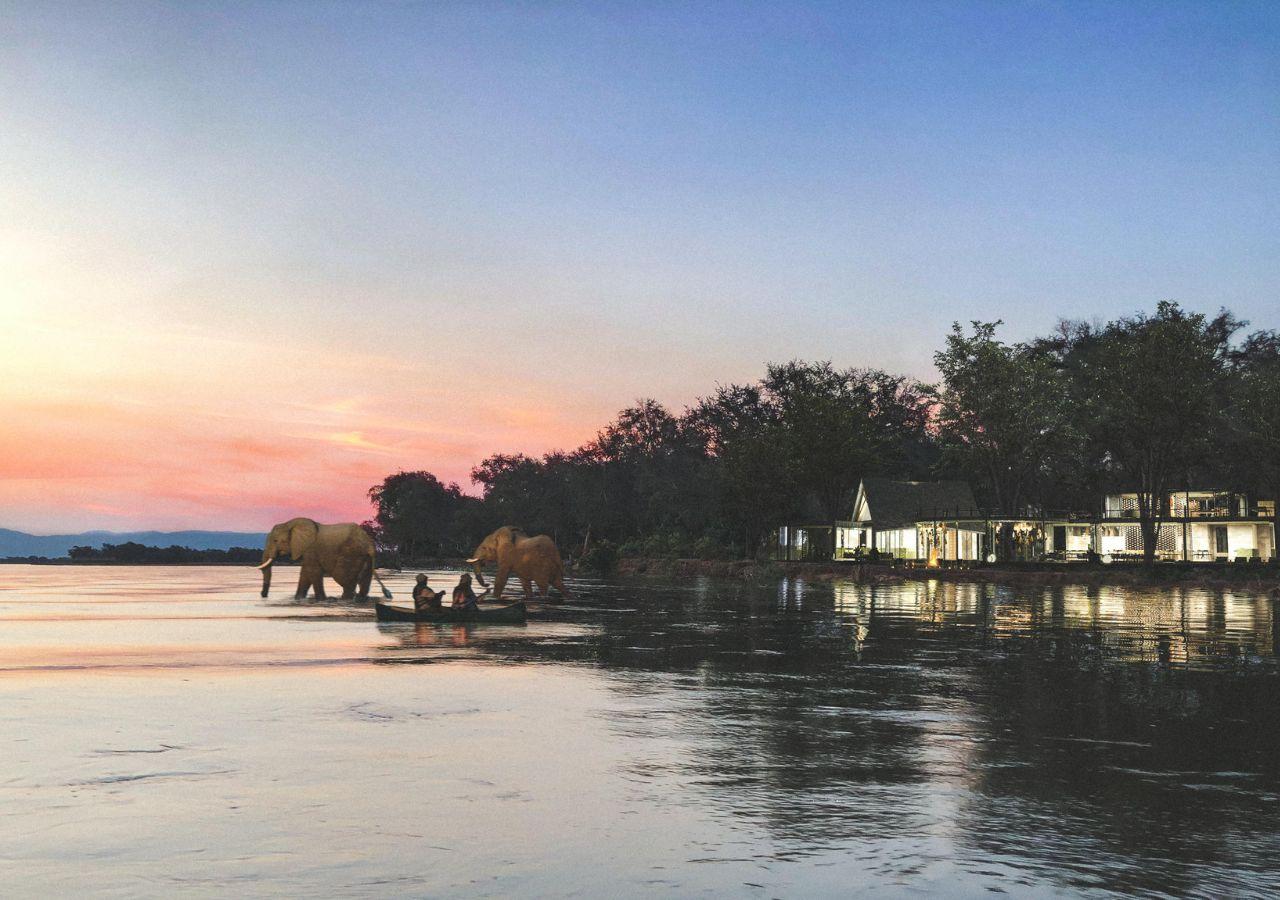
The Lower Zambezi is accessed via light aircraft flights from Lusaka, which take around 30–40 minutes. From there, it’s a short transfer to camp, often by boat or vehicle depending on water levels and lodge location.
The travel is straightforward, which makes Zambia easier to combine with other regions than many people expect.
Where to Stay in the Lower Zambezi
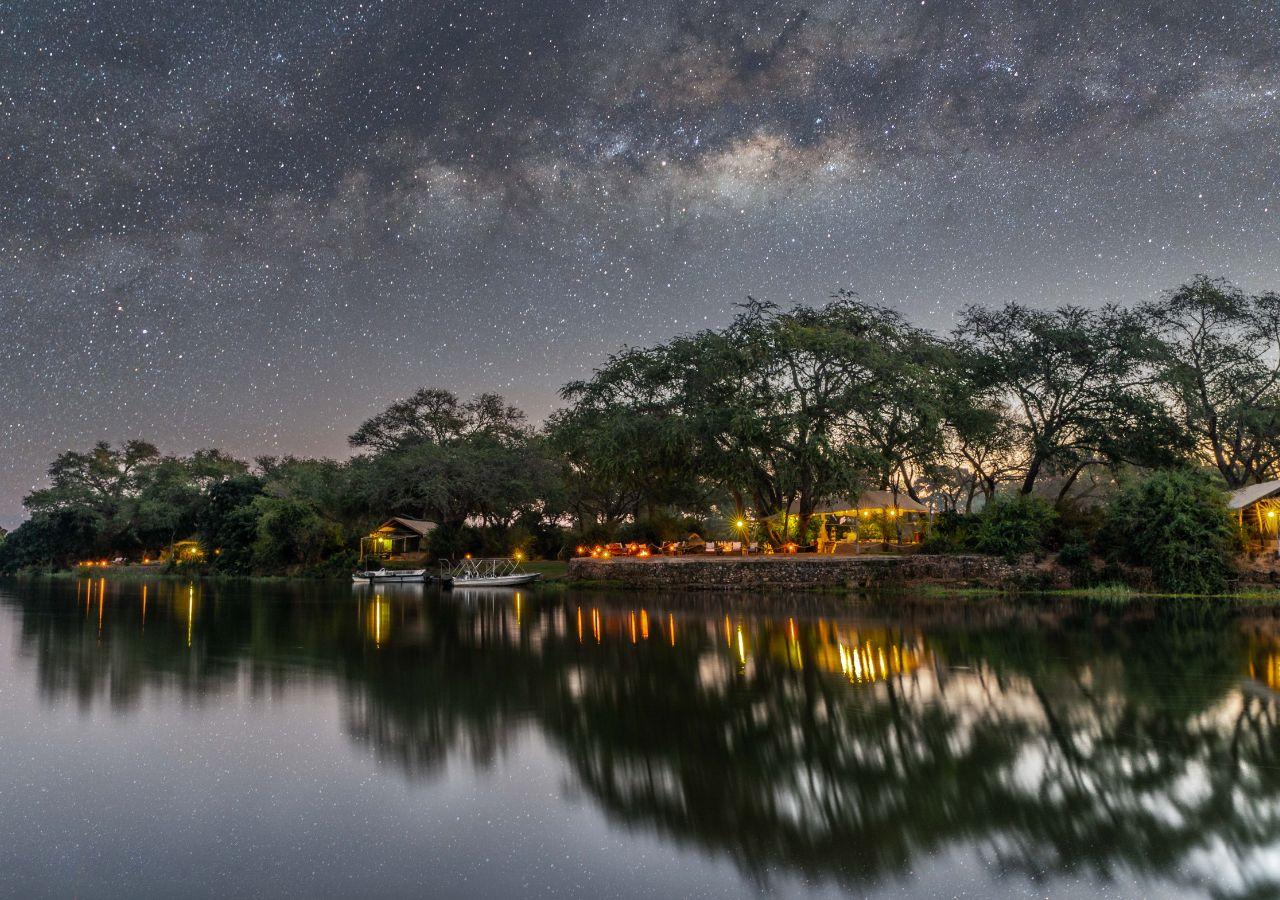
The Lower Zambezi has a relatively small number of camps. These are Mahlatini’s chosen few.
Chiawa Camp
One of the most established camps in the park, with a strong mix of activities and a well-positioned riverfront setting. Explore Chiawa Camp.
Old Mondoro Camp
Smaller and more traditional in style. Known for its guiding and a slightly more stripped-back safari feel. Explore Old Mondoro Camp.
Lolebezi
A more contemporary option, with a focus on design and sustainability. Lolebezi also offers really strong river access. Explore Lolebezi.
Dulini Anabezi
Set beneath winterthorn trees along the river. Works well for travelers who want wildlife close to camp and easy access to water-based activities. Explore Dulini Anabezi.
Time + Tide Chongwe Camp and Time + Tide Chongwe House
Positioned near the confluence of the Chongwe and Zambezi Rivers. Offers a good balance of boating, canoeing and game drives. Explore Time + Tide Chongwe Camp and Time + Tide Chongwe House.
Choosing the right camp is one of the most important parts of planning a stay here. Location along the river and access to channels can shape the experience as much as the guiding. Chat to a Mahlatini Travel Expert who has visited the Lower Zambezi to get a good idea of which camps would suit you best.
Can You See the Big Five?
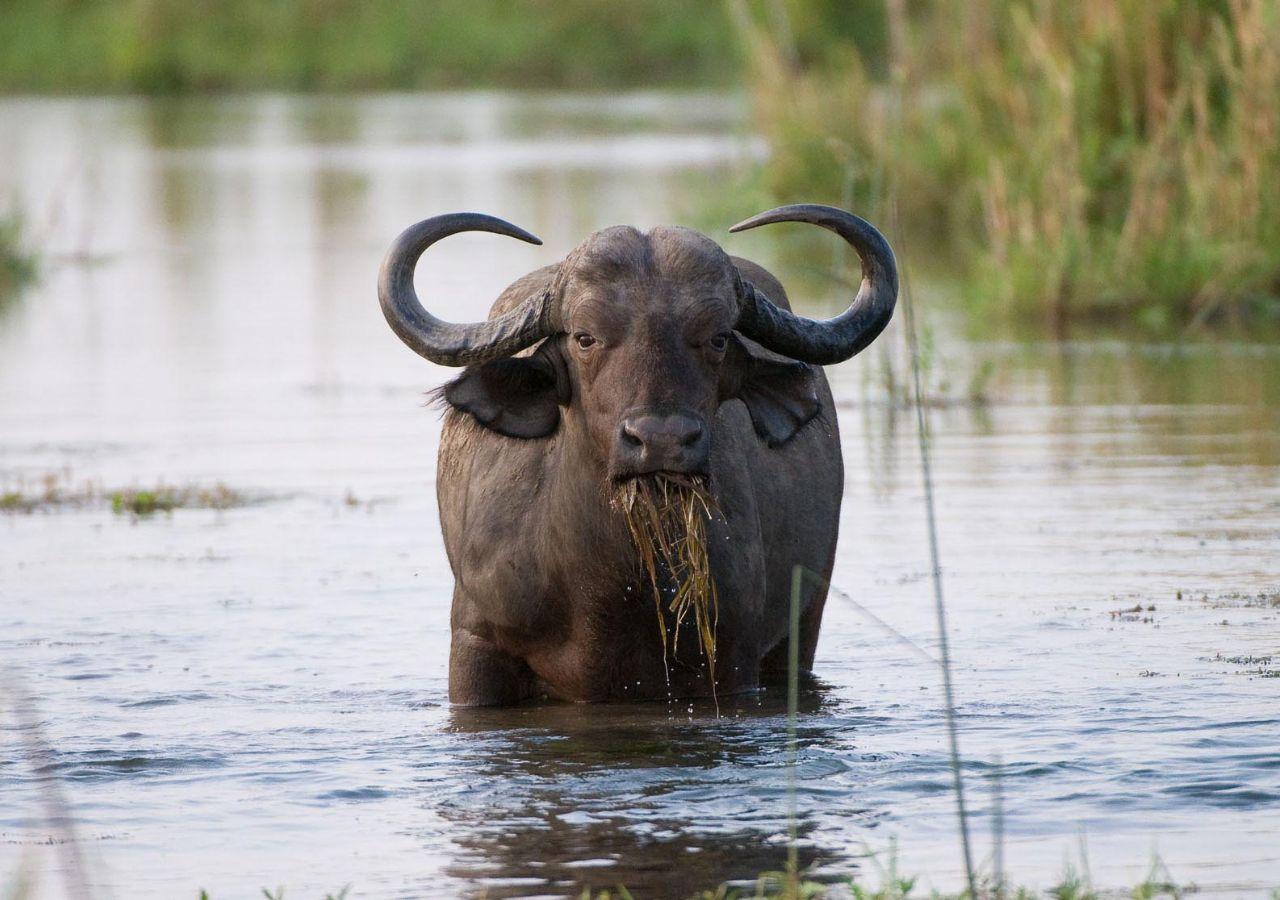
The Lower Zambezi supports four of the Big Five: elephant, lion, leopard and buffalo. Rhino are not present in the park, so it is not considered a full Big Five destination. That said, most people do not come here specifically for that. The draw is the river!
What to Pack for a Safari in the Lower Zambezi
Packing for the Lower Zambezi is similar to other safari destinations, with a few additions for time on the water:
- Neutral, lightweight clothing
- A warm layer for early mornings
- Soft-soled shoes for getting in and out of boats
- Sun protection (hat, sunglasses and high-factor sunscreen)
- A dry bag or waterproof cover for cameras
Evenings are relaxed, and camps tend to keep things informal. For a more detailed list, visit our guide on What to Wear on Safari.
How the Lower Zambezi Fits Into a Wider Trip
The Lower Zambezi works particularly well when paired with South Luangwa. It brings a more land-based safari, known for walking and strong game viewing, while the Lower Zambezi introduces the river and different experiences.
Victoria Falls can be added either before or after, depending on timing.
Why it Works for a Luxury Safari
People in travel often speak about selling Zambia because it isn’t a destination that is frequently asked for, although it should be! It epitomizes luxury in the sense of escaping to a secluded place and being looked after. Luxury in the Lower Zambezi isn’t just about the camp. The service, the guiding, the slow days, the time on the river, the seclusion, and the small moments that happen without being planned all make Zambia a truly inspiring place.
Picture floating on the river at the right time of day. A quiet stretch of water with no other boats in sight. Wildlife moving in and out of the channels around you. That is luxury.
Planning Your Lower Zambezi Safari With Mahlatini
Zambia rewards careful planning. Camp choice, timing and how the Lower Zambezi fits into a wider itinerary all make a difference. At Mahlatini, our Travel Experts use first-hand knowledge to shape these journeys properly. If you are considering a water-based safari in Zambia, speak to one of our Travel Experts or begin outlining your ideas through our Trip Planner.