+1 347-708-1755
Deciding where to go on a safari can be challenging. Both Botswana and Zimbabwe offer incredible experiences, but which one aligns with your safari aspirations? Whether it's your first or fifteenth Africa safari, this guide will help you choose the Southern Africa destination best suited to you.
Location & Landscape

Botswana: Home of the iconic Okavango Delta, the world’s largest inland delta which is teeming with wildlife. The vast, arid Kalahari Desert and the lush, game-rich Chobe National Park also define Botswana's landscape.
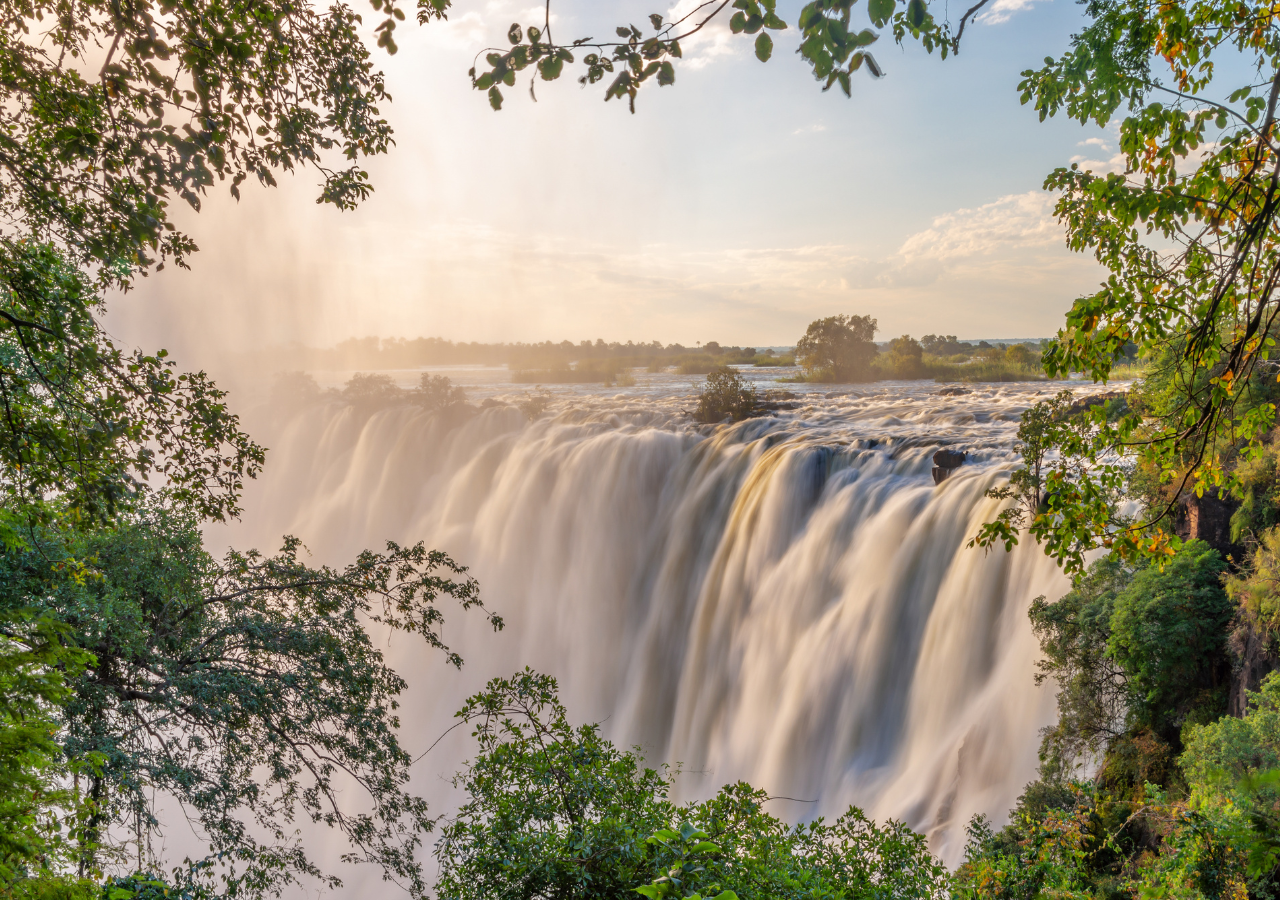
Zimbabwe: Offering diverse landscapes, from the Wonder of the World Victoria Falls, to the large elephant populations of Hwange National Park and the rugged terrain of the Eastern Highlands.
Wildlife & Safari Experience

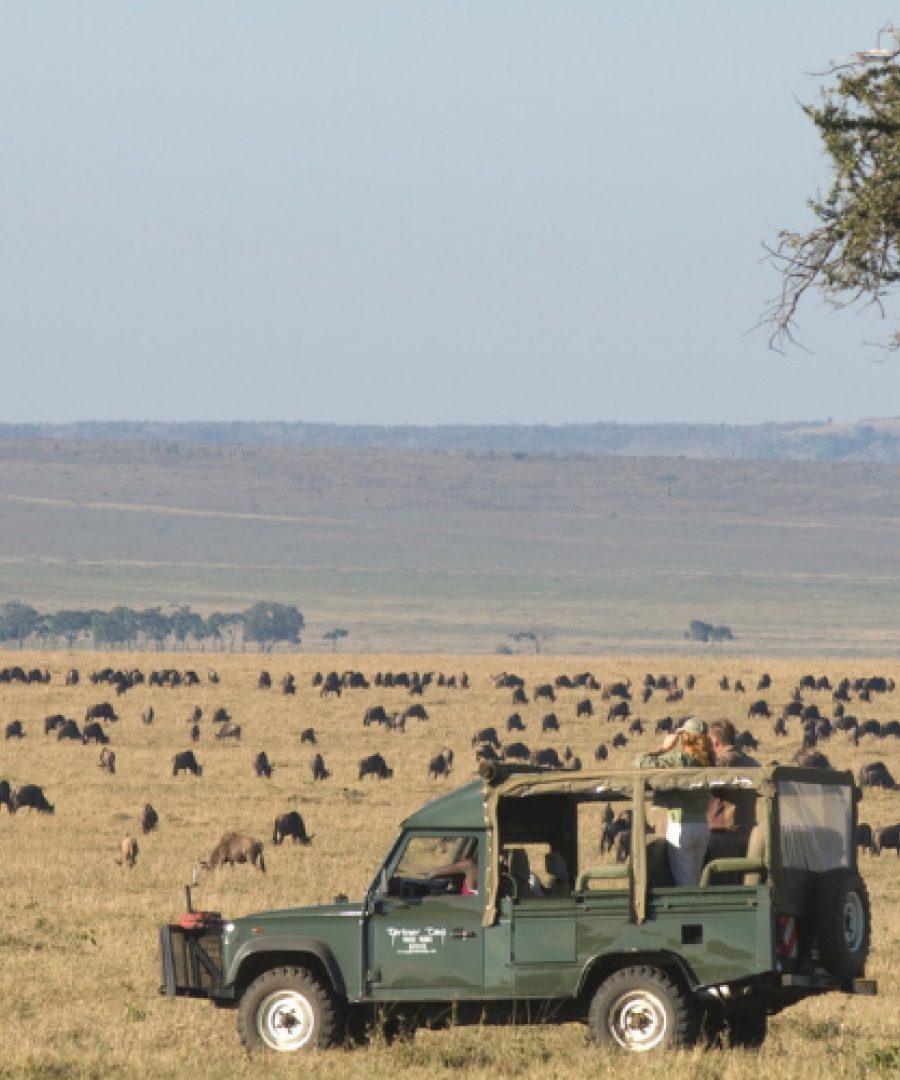
Botswana: Boasting some of the highest concentrations of game in Africa, low visitor numbers, and luxury, eco-sensitive camps, a Botswana safari offers a truly authentic, exclusive experience. You have a high chance of seeing the Big Five in areas like the Moremi Game Reserve and private Delta concessions. The diverse ecosystems, from the Delta's wetlands to the Kalahari Desert, support a wide range of wildlife, including numerous bird species. A self declared 'sucker for the wilderness' Melanie van Zyl even declares Botswana to offer enrapturing experiences for culture-seekers.
Zimbabwe: Their emphasis is on immersive experiences led by some of Africa's most knowledgeable guides. Walking safaris, particularly in Mana Pools National Park, provide unique opportunities to see the Big Five and endangered wild dogs. Here, you can also witness elephants standing on their hind legs to reach fresh leaves and fruits. Hwange National Park is home to an impressive population of 40,000 tusker elephants.
Accommodation Options

Botswana: The accommodation options here are predominantly high-end, eco-sensitive lodges and exclusive tented camps, nestled in remote and breathtaking landscapes. Botswana's luxury safari accommodations are ideal for travellers seeking both privacy and opulence in the heart of the African bush.
Zimbabwe: Zimbabwe offers a more diverse range of accommodation options. From ultra luxury lodges to more family-orientated camps, there's something to suit various preferences and budgets, allowing a broader spectrum of travellers to enjoy the Zimbabwean safari experience.
Activities On Offer
Botswana: Glide through the Okavango Delta on a mokoro (dugout canoe) trip, offering close-up wildlife encounters, and experience the thrill of 4x4 game drives, including night safaris for nocturnal wildlife sightings. For a cultural experience, engage with local communities to gain insights into traditional Botswanan life. Other activities include bush walks, star-gazing, bird watching, and scenic helicopter flights.
Zimbabwe: Immerse yourself in nature with renowned walking safaris led by expert guides. Enjoy the tranquility of boat cruises on the Zambezi River, perfect for wildlife and sunset viewing. For adventure seekers, Victoria Falls offers adrenaline-pumping activities like bungee jumping and white-water rafting, alongside the unique Devil's Pool experience. You can delve deeper into the top tourist attractions of Zimbabwe here.
Pricing

Botswana: Botswana's high-end safari offerings come with a price tag to match. The country's low-impact tourism policy limits tourist numbers in conservation areas, ensuring an exclusive and eco-conscious experience. However, this exclusivity also means that safaris in Botswana are generally more expensive, and it's not uncommon for camps to charge upwards of £1,000 per person per night.
Zimbabwe: In contrast to Botswana's premium cost, Zimbabwe offers an equally remarkable safari experience with abundant wildlife and stunning wilderness areas, but it comes with a more accessible price tag.
Remember - Whatever budget you have in mind for your safari, we always recommend getting in touch with our travel experts for an initial consultation. They will provide you with a range of safari options that fit your budget (often adding special Mahlatini extras to add to the trip experience and memories).
Conclusion

Choosing between a safari in Botswana and Zimbabwe depends on your personal preferences, budget, and the kind of experience you are looking for. Both destinations offer exceptional wildlife viewing and unique experiences.
- Choose Botswana if you’re looking for an exclusive, luxurious safari experience with a strong focus on conservation and eco-friendly practices. It’s perfect for those who want to immerse themselves in nature while enjoying high-end accommodations.
- Choose Zimbabwe if you're interested in a combination of wildlife, adventure, and cultural experiences. It’s ideal for those looking for diverse activities like walking safaris and visits to historical sites.
For a more personalised recommendation, consult with travel experts who can tailor a safari experience to your specific needs and preferences, often adding special touches to enhance your trip!